Maharashtra Cabinet clears custodial death compensation: ₹5 lakh for kin
Synopsis
Maharashtra has approved a policy paying ₹5 lakh to families of custodial death victims — and crucially, it allows the government to recover that amount directly from the accused officer's salary or property. Paired with a new gallantry medal, the Fadnavis Cabinet is walking a tightrope: accountability for abuse, recognition for bravery, all in one sitting.
Key Takeaways
The Maharashtra Cabinet approved a custodial death compensation policy on 6 October 2026 under CM Devendra Fadnavis .
Legal heirs receive ₹5 lakh if custody death is linked to assault, torture, or coercion by police.
Permanent disability payouts range from ₹2 lakh (below 50%) to ₹4 lakh (50% or more).
Compensation can be recovered directly from the salary, pension, or property of erring officers found guilty.
The Cabinet also instituted the 'Chief Minister's Gallantry Medal' with a ₹50,000 cash prize, announced annually on 30 April .
SPs and CPs must submit formal compensation proposals within 30 days of an incident.
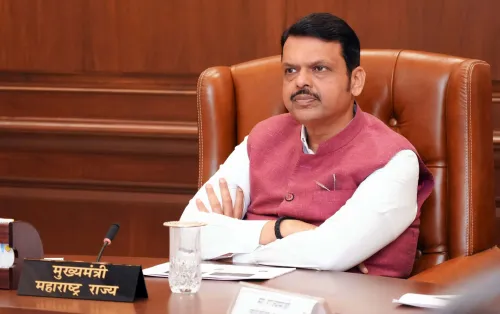
The Maharashtra Cabinet, chaired by Chief Minister Devendra Fadnavis, on Tuesday, 6 October 2026, approved a landmark policy providing financial compensation to the legal heirs of individuals who die or suffer permanent disability while in police custody. The decision marks a significant step toward institutional accountability in custodial cases across the state.
What the Compensation Policy Entails
Under the newly approved framework, a compensation of ₹5 lakh will be paid to immediate legal heirs if an investigation establishes that a custodial death resulted from assault, torture, or coercion by police officers or staff. For cases involving permanent disability, the payout is tiered: ₹2 lakh for permanent disability below 50 per cent, and ₹4 lakh for permanent disability of 50 per cent or more.
The policy also lays out administrative procedures covering medical examinations, disability verification, documentation, and submission of compensation claims. Superintendents of Police (SPs) and Commissioners of Police (CPs) will be required to take cognisance of such incidents and submit formal proposals within 30 days.
Exceptions and Accountability Provisions
The policy specifies cases where compensation will not be granted. These include natural deaths resulting from old age or pre-existing terminal illnesses prior to custody, deaths caused by sudden natural disasters, cases where an individual refused medical treatment or undertook a hunger strike for unreasonable demands, and accidental deaths during escape attempts from police custody.
Notably, the policy goes beyond compensation — it directly links misconduct to consequences. Where officers or staff are found guilty of negligence or misconduct, criminal proceedings will be initiated. The government has further authorised recovery of compensation amounts directly from the salary, pension, or property of erring personnel, according to an official release.
Chief Minister's Gallantry Medal: Recognising Bravery
In a complementary move, the Cabinet also approved the institution of the 'Chief Minister's Gallantry Medal' — an annual award to honour police officers and personnel who display exceptional courage in the line of duty. Each awardee will receive a medal, a Prashastipatra (certificate of honour), and a cash prize of ₹50,000.
The awards will be announced annually on the eve of Maharashtra Day on 30 April. There is no fixed quota for the number of medals each year; the count will depend on recommendations and field reports from across the state. The award may also be conferred posthumously on personnel who make the supreme sacrifice in the line of duty.
The government noted that Maharashtra Police operate across a wide spectrum of security challenges — from anti-Maoist operations in districts such as Gadchiroli and Gondia to terrorism, communal violence, organised crime, smuggling, and external security threats.
Selection Process and Precedent
The gallantry award follows a two-tier selection process. In the first stage, district proposals are routed through SPs and Regional Special Inspectors General of Police (IGPs), while Police Commissioners send proposals directly to the Director General of Police (DGP), who chairs the preliminary selection committee. Shortlisted proposals then go before a high-level committee chaired by the Additional Chief Secretary (Home Department), before final approval by the Home Minister and Chief Minister.
While the Union Ministry of Home Affairs already confers honours such as the President's Gallantry Medal, the Ashok Chakra, and the Kirti Chakra, several states — including Telangana, Tamil Nadu, West Bengal, Kerala, Meghalaya, and Manipur — have state-level police awards. Maharashtra's new medal has been instituted on similar lines.
Together, both decisions signal a dual-track approach from the Fadnavis Cabinet: holding the police force accountable for abuses while simultaneously recognising frontline bravery. How swiftly the compensation policy is operationalised — and whether the accountability provisions are enforced in practice — will determine its real-world impact.
Point of View
However, is in implementation — India's custodial death records are chronically under-reported, and the 30-day proposal deadline is only meaningful if SPs and CPs face consequences for non-compliance. The simultaneous launch of a gallantry medal is politically astute but also creates a messaging tension: the same force being held liable for torture is being celebrated for bravery, which makes the credibility of both frameworks contingent on equal-handed enforcement.
NationPress
6 Oct 2026
Frequently Asked Questions
What is the Maharashtra custodial death compensation policy?
It is a policy approved by the Maharashtra Cabinet on 6 October 2026 that provides ₹5 lakh to the legal heirs of individuals who die in police custody due to assault, torture, or coercion. It also covers permanent disability cases, with payouts between ₹2 lakh and ₹4 lakh depending on the severity.
Who is eligible for compensation under the new Maharashtra policy?
Immediate legal heirs of individuals who die or suffer permanent disability in police custody are eligible, provided an investigation confirms the cause was police assault, torture, or coercion. Deaths from natural causes, natural disasters, refusal of medical treatment, or escape attempts are excluded.
What happens to officers found guilty of custodial misconduct?
Officers or staff found guilty of negligence or misconduct face criminal proceedings. Additionally, the government can recover the compensation amount directly from the erring officer's salary, pension, or property — a provision that goes beyond most existing state-level accountability frameworks.
What is the Chief Minister's Gallantry Medal approved by the Maharashtra Cabinet?
It is a new state-level award to honour police officers who display exceptional courage in the line of duty. Each awardee receives a medal, a Prashastipatra (certificate of honour), and a cash prize of ₹50,000. The award will be announced annually on 30 April, the eve of Maharashtra Day, with no fixed annual quota.
How will compensation claims be processed under the new policy?
Superintendents of Police and Commissioners of Police must take cognisance of eligible incidents and submit formal proposals within 30 days. Claims go through medical examinations, disability verification, and documentation review before compensation is disbursed to legal heirs.