Maha FDA backs President Murmu's call: celebrities must own their endorsements

Synopsis
Maharashtra FDA Commissioner Tukaram Mundhe has publicly backed President Murmu's appeal to film stars, citing three existing laws that already hold celebrity endorsers accountable — and pointing to show-cause notices already served on Shah Rukh Khan, Ajay Devgn and Tiger Shroff over a Vimal Elaichi ad as proof that enforcement, not legislation, is the real gap.
Key Takeaways
Maharashtra FDA Commissioner Tukaram Mundhe backed President Droupadi Murmu's appeal to film artists on harmful product endorsements on 26 September 2026 .
President Murmu made the original appeal at the 72nd National Film Awards in Ekta Nagar, Gujarat on 22 September 2026 .
Mundhe cited Section 24 of the Food Safety and Standards Act, 2006 , the FSSAI Advertising and Claims Regulations, 2018 , and the Drugs and Magic Remedies Act, 1954 as the existing legal basis for action.
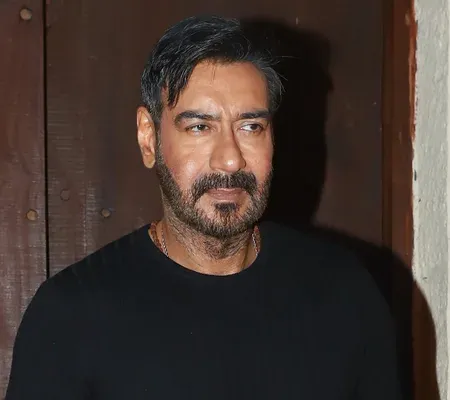
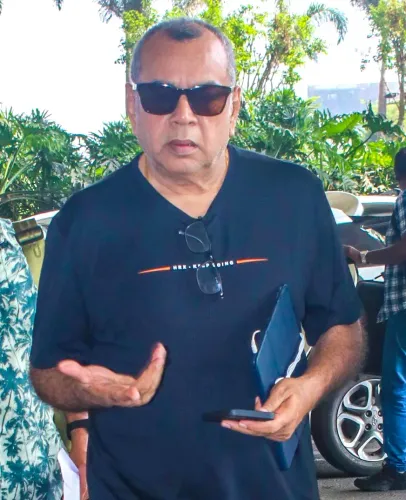
The Maharashtra FDA had already issued show-cause notices to Shah Rukh Khan , Ajay Devgn , and Tiger Shroff in August over a Vimal Elaichi advertisement.
Mundhe stressed the problem is implementation, not the absence of law: 'The acts do exist, rules do exist; what we need to do is implement them... very, very stringently.'
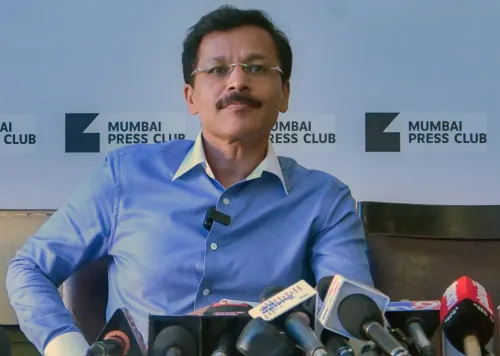
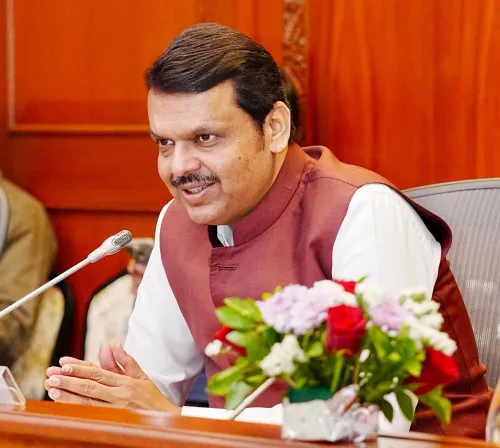
Maharashtra Food and Drug Administration (FDA) Commissioner Tukaram Mundhe on Saturday, 26 September 2026, stated that celebrities and advertisers carry a direct responsibility to ensure the products they endorse do not compromise public health — lending official regulatory weight to President Droupadi Murmu's recent appeal to film personalities to stop promoting health-harmful substances. Mundhe made the remarks at Karnavati University in Gandhinagar, during his first visit to Gujarat.
What President Murmu Said
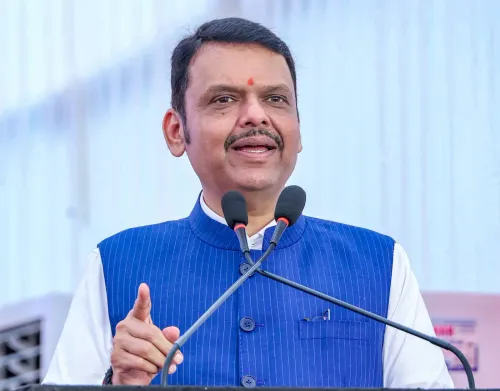
President Murmu had addressed successful film artists at the 72nd National Film Awards held at Ekta Nagar, Gujarat, on 22 September 2026, urging them to promote a disciplined lifestyle and refrain from endorsing products harmful to health. She specifically highlighted the outsized influence popular artists wield over children and young people.
The Legal Framework Already Exists
Commissioner Mundhe was categorical that the problem was not a gap in law but a deficit in enforcement. He cited Section 24 of the Food Safety and Standards Act, 2006, which restricts misleading advertisements and claims related to food. He also referenced the Food Safety and Standards (Advertising and Claims) Regulations, 2018, part of the regulatory framework administered by the Food Safety and Standards Authority of India (FSSAI).
For the pharmaceutical and drug space, Mundhe pointed to the Drugs and Magic Remedies (Objectionable Advertisements) Act, 1954, colloquially referred to as the MDR Act. 'It also prevents claims about purity or magical remedies; this will be done, this will be cured,' he said, paraphrasing the Act's prohibitions.
'The acts do exist, rules do exist; what we need to do is implement them and implement them very, very stringently,' Mundhe said.
Action on Vimal Elaichi Advertisement
Mundhe's remarks came against the backdrop of the Maharashtra FDA issuing show-cause notices in August to actors Shah Rukh Khan, Ajay Devgn, and Tiger Shroff in connection with a Vimal Elaichi advertisement — a case that brought celebrity endorsement liability into sharp national focus.
The commissioner underscored that regulatory action was already under way under existing provisions, and that the absence of new legislation was not a constraint.
Moral Accountability Beyond the Law
Beyond legal compliance, Mundhe argued for an ethical standard that applies to every endorser and advertiser. 'Ethically and morally, everybody, every citizen, every endorser, every advertiser has a responsibility if they don't act just in the commercial interest,' he said.
He added: 'People of India are not because of somebody. So, we as a nation need to practise what is right, which is correct, which is ethically also correct.' Public health, Mundhe stressed, must remain central to all decisions involving food, drugs and advertising — and celebrities cannot be treated as exempt from the legal and ethical standards that apply to everyone else.
What Happens Next
With show-cause notices already served and the Maharashtra FDA signalling stricter implementation, the question of celebrity endorsement liability is likely to draw further regulatory and legislative attention. Industry observers note that this is the first time a sitting FDA commissioner has publicly aligned with a presidential appeal on the subject, potentially raising the political salience of enforcement action.
Point of View
The Advertising and Claims Regulations since 2018, and the Drugs and Magic Remedies Act since 1954; yet celebrity endorsement of dubious products has grown, not shrunk. The Vimal Elaichi notices to three A-list actors are notable precisely because such notices are rare, not routine. If a presidential appeal is required to prompt a commissioner to restate existing law, the system's self-enforcement instincts are weak. The question worth asking is: why have these statutes gathered dust, and what has changed in the political calculus to make enforcement suddenly desirable?
NationPress
26 Sept 2026
Frequently Asked Questions
What did Maharashtra FDA Commissioner Tukaram Mundhe say about celebrity endorsements?
Commissioner Mundhe said celebrities and advertisers are legally and ethically responsible for ensuring the products they endorse do not harm public health. He backed President Murmu's appeal and cited three existing laws that already prohibit misleading health claims in advertisements.
What was President Murmu's appeal to film artists?
President Droupadi Murmu, speaking at the 72nd National Film Awards in Ekta Nagar, Gujarat on 22 September 2026, urged successful film artists to promote a disciplined lifestyle and avoid endorsing products harmful to health, noting their influence on children and young people.
Which laws govern celebrity endorsements of food and health products in India?
Three key laws apply: Section 24 of the Food Safety and Standards Act, 2006 (restricts misleading food ads); the FSSAI Advertising and Claims Regulations, 2018; and the Drugs and Magic Remedies (Objectionable Advertisements) Act, 1954, which prohibits false claims about cures or magical remedies.
Why did Maharashtra FDA issue notices to Shah Rukh Khan, Ajay Devgn and Tiger Shroff?
The Maharashtra FDA issued show-cause notices to the three actors in August in connection with a Vimal Elaichi advertisement, citing existing legal provisions on misleading or harmful product endorsements.
Is new legislation needed to regulate celebrity endorsements in India?
According to Commissioner Mundhe, new laws are not needed. He stated the existing legal framework is sufficient, and that stricter implementation of current statutes — not new legislation — is what is required to protect public health.