Maharashtra to form expert panel to curb ads inciting sexual offences
Synopsis
Maharashtra is forming an expert panel to overhaul laws governing ads, hoardings, and social media content that incite sexual offences — and has admitted that penalties under the 1986 Indecent Representation of Women Act are dangerously outdated. The state also plans to push the Centre for stronger provisions, signalling a rare federal coordination effort on digital content regulation.
Key Takeaways
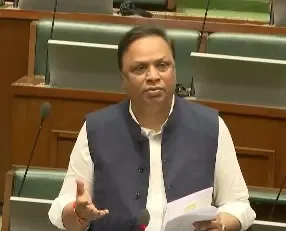
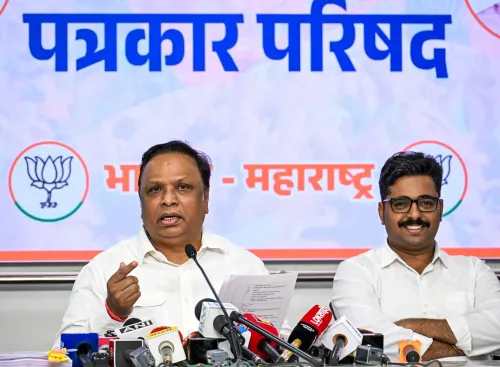
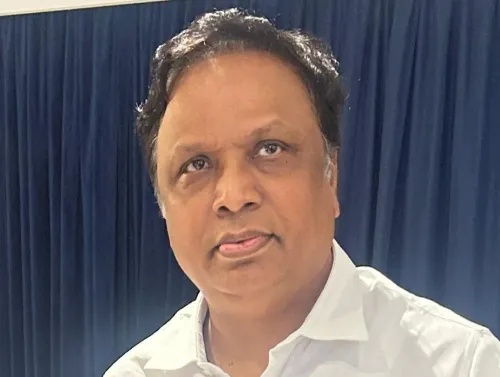
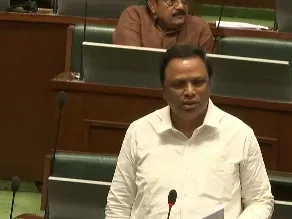
Minister Ashish Shelar announced an expert committee in the Maharashtra State Assembly on 3 July to curb ads inciting sexual offences.
The panel will cover advertisements, hoardings, websites, and social media content .
Penalties under the Indecent Representation of Women (Prohibition) Act, 1986 and Cable Television Networks Rules, 1994 were flagged as inadequate for the digital era.
Maharashtra will coordinate with the Centre to revise and enhance penal provisions under these laws.
The committee will balance freedom of expression with protection of women's dignity and societal interests.
The move was triggered by a non-government Bill tabled by MLA Sudhir Mungantiwar .
The Maharashtra government will constitute an expert committee to recommend stronger punitive provisions under existing laws to crack down on advertisements, hoardings, websites, and social media content that incite sexual offences, Minister Ashish Shelar told the State Assembly on Friday, 3 July. The announcement came in response to a non-government Bill tabled by MLA Sudhir Mungantiwar seeking a statutory ban on such content.
Government's Zero-Tolerance Stance
Minister Shelar stated that the government has adopted a zero-tolerance approach towards advertisements that portray women in an indecent manner, promote obscenity, or encourage sexual offences. He made clear that anyone disseminating obscene language, images, gestures, or content through public platforms would face strict action under the Constitution and the prevailing legal framework.
Existing Laws and Their Gaps
Shelar acknowledged that stringent provisions — including imprisonment and fines — already exist under the Bharatiya Nyaya Sanhita (BNS), the Indecent Representation of Women (Prohibition) Act, 1986, the Cable Television Networks Rules, 1994, the Information Technology Act, and other relevant statutes. However, he noted that the penalties prescribed under the 1986 Act and the 1994 Cable Television Networks Rules are no longer proportionate to present-day realities and require revision. This is a significant admission — laws drafted decades before the social media era are being asked to govern an entirely different content landscape.
What the Expert Committee Will Do
The expert panel, once constituted, will formulate a balanced policy that safeguards freedom of expression while protecting the dignity of women and broader societal interests. The state government also intends to coordinate with the Centre to review and strengthen penal provisions under the Indecent Representation of Women (Prohibition) Act, 1986 and the Cable Television Networks Rules, 1994, including enhancing penalties. The committee's recommendations are expected to bridge the gap between legacy legislation and the realities of digital-age content distribution.
Minister Shelar's Key Statement
'While advertisements are an integral part of society and the economy, they must promote positive values rather than encourage obscenity, moral degradation or sexual offences,' Minister Shelar said in the Assembly. He stressed that effective regulation of obscene and derogatory advertisements targeting women is essential to preserve social values and foster a healthy cultural environment.
What Happens Next
The state government is expected to begin constituting the expert committee and initiate formal dialogue with the Centre on legislative amendments. The move signals a broader push to modernise India's content-regulation architecture, particularly for digital and social media platforms, where enforcement has historically lagged behind the scale of the problem.
Point of View
Where the volume and velocity of harmful content dwarfs what any committee can study in a reasonable window. The real test will be whether the panel's recommendations are adopted by the Centre, which controls the IT Act and cable rules, or whether they remain a state-level wish list. Coordination between Maharashtra and the Centre on this issue is the right instinct; whether it translates into enforceable law is another matter entirely.
NationPress
2 Oct 2026
Frequently Asked Questions
Why is Maharashtra forming an expert committee on obscene advertisements?
Maharashtra is constituting the panel to recommend stronger punitive provisions against advertisements, hoardings, websites, and social media content that incite sexual offences. The move follows a non-government Bill by MLA Sudhir Mungantiwar and the government's own admission that existing penalties under the 1986 Indecent Representation of Women Act are outdated.
What laws currently govern obscene content and ads in India?
Existing provisions include the Bharatiya Nyaya Sanhita (BNS), the Indecent Representation of Women (Prohibition) Act, 1986, the Cable Television Networks Rules, 1994, and the Information Technology Act. Minister Shelar noted that while these laws carry imprisonment and fine provisions, the penalty levels under the 1986 Act and 1994 Rules no longer reflect present-day realities.
What will the expert committee recommend?
The committee will formulate a balanced policy that protects women's dignity and societal interests while safeguarding freedom of expression. It will also inform the state's push to enhance penalties under the Indecent Representation of Women (Prohibition) Act, 1986 and Cable Television Networks Rules, 1994, in coordination with the Centre.
Who triggered this announcement in the Maharashtra Assembly?
MLA Sudhir Mungantiwar tabled a non-government Bill seeking to prohibit advertisements, hoardings, websites, and social media content that incite sexual offences. Minister Ashish Shelar's announcement of the expert committee came as the government's formal response to that Bill.
Will the Centre be involved in changing these laws?
Yes. The Maharashtra government has stated it will coordinate with the Central government to review and strengthen penal provisions under both the Indecent Representation of Women (Prohibition) Act, 1986 and the Cable Television Networks Rules, 1994, since these are central statutes that require Union-level amendments.