CM Fadnavis: ₹3200 Cr MRDP Clears World Bank Milestone
Synopsis
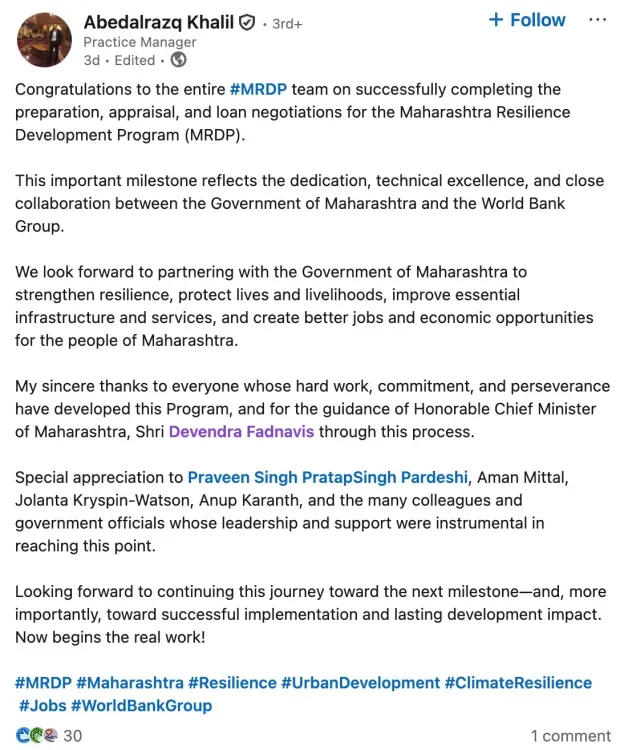
Maharashtra CM Devendra Fadnavis announced on 27 July 2026 that the state and the World Bank have cleared the preparatory milestone for the ₹3,200 crore MRDP, a programme to deliver permanent flood resilience to Kolhapur, Sangli, and Ichalkaranji through river and drainage upgrades.
Key Takeaways
The Maharashtra Resilience Development Programme (MRDP) is a ₹3,200 crore joint initiative between the Government of Maharashtra and the World Bank .
The programme targets Kolhapur , Sangli , and Ichalkaranji — flood-prone cities in western Maharashtra along the Krishna and Panchganga river corridors.
Key interventions include enhanced rainwater storage, improved river carrying capacity, and upgraded stormwater drainage systems.
The preparation and processing stage — a prerequisite for World Bank financing — has been formally completed as of 27 July 2026 .
Central government support came from PM Narendra Modi , Finance Minister Nirmala Sitharaman , and the Department of Economic Affairs .
CM Fadnavis has called for fast-paced implementation following the milestone.
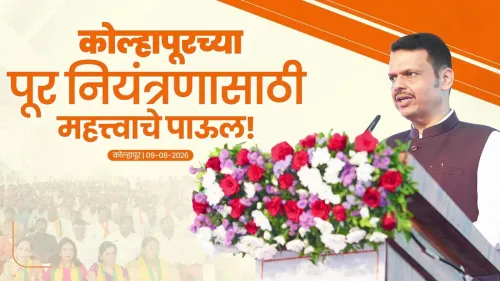
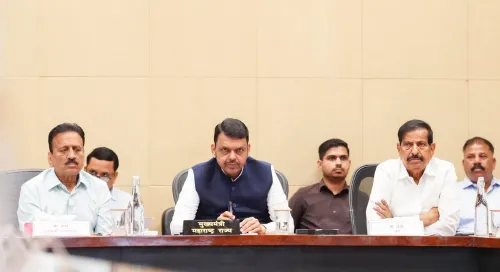
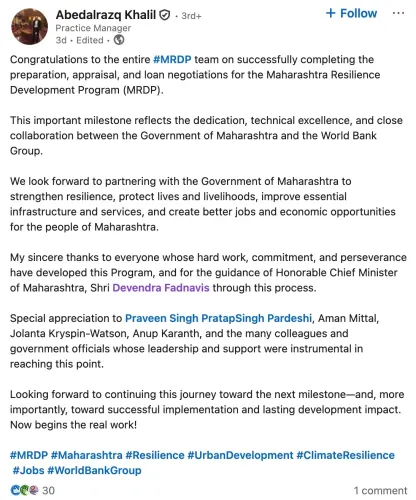
Maharashtra Chief Minister Devendra Fadnavis announced on Monday, 27 July 2026 that the state government and the World Bank have successfully completed the preparation and processing stage of the Maharashtra Resilience Development Programme (MRDP), a ₹3,200 crore initiative aimed at delivering a permanent flood-resilience solution for Kolhapur, Sangli, and Ichalkaranji.
Context
Fadnavis described the milestone as a major step 'towards long-term flood resilience' in the three western Maharashtra cities. The programme targets three structural interventions: enhancing rainwater storage capacity, improving the carrying capacity of the Krishna and Panchganga rivers, and strengthening stormwater drainage systems across the region.
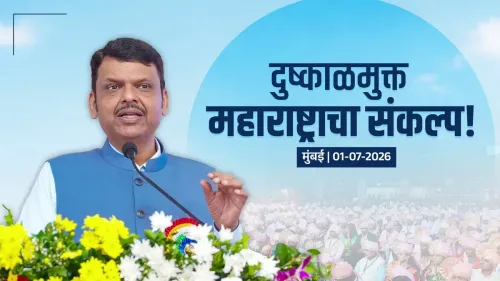
The Chief Minister credited Prime Minister Narendra Modi, Union Finance Minister Nirmala Sitharaman, the Department of Economic Affairs under the Government of India, and the World Bank for enabling what he called a 'transformative initiative'. He expressed intent to push implementation 'at a fast pace'.
Policy Backdrop
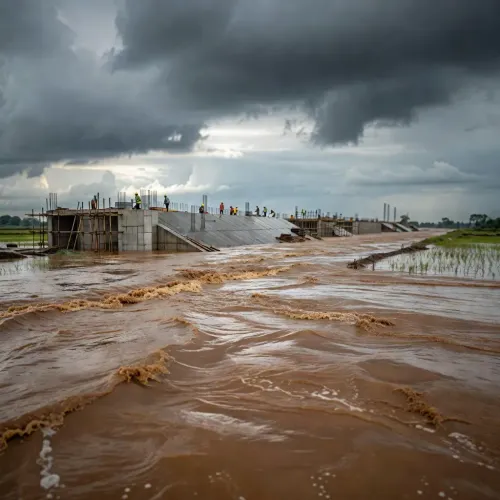
The MRDP has its roots in the catastrophic floods of 2019 that inundated large parts of Kolhapur and Sangli, displacing hundreds of thousands of residents and causing extensive damage to farmland and infrastructure. In the years that followed, the Maharashtra government explored multilateral partnerships to move beyond ad-hoc relief toward permanent structural solutions in the Krishna river basin.
The programme fits within a broader national pattern of state governments co-financing climate-resilience infrastructure with the World Bank, with the Department of Economic Affairs serving as the sovereign guarantor and nodal coordinator for such loans. The involvement of Finance Minister Sitharaman underscores that the funding architecture required central-government approval at the highest level before the World Bank process could be concluded.
Stakeholders and Impact
The most immediate beneficiaries are the residents of Kolhapur, Sangli, and Ichalkaranji — three densely populated urban and peri-urban centres that sit along the flood-prone Panchganga and Krishna river corridors. Farmers in western Maharashtra, whose crops and livelihoods are repeatedly disrupted by seasonal inundation, are among the key stakeholders the programme is designed to protect.
River-capacity enhancement and upgraded drainage infrastructure, if delivered at scale, could reduce the frequency and severity of waterlogging that has historically paralysed these cities during the monsoon months. Urban planners and civic bodies in the three cities will be central to on-the-ground execution.
What's Next
With the preparation and processing milestone now cleared, the focus shifts to the implementation phase — including procurement, contractor mobilisation, and phased civil works on river-widening and drainage upgrades. Fadnavis signalled urgency, stating he looks forward to 'the next steps of implementation at a fast pace'.
Key markers to watch include the formal loan agreement signing between the Maharashtra government and the World Bank, the release of the first tranche of funds, and the publication of a project timeline with district-level targets. Progress on these fronts will determine whether the ₹3,200 crore commitment translates into measurable flood-risk reduction before the next monsoon cycle.
Point of View
But the harder test — timely on-the-ground delivery — lies ahead. For CM Fadnavis, the announcement serves a dual political purpose: it signals administrative competence to a western Maharashtra electorate that has suffered repeated flood losses since 2019, while also publicly crediting the central BJP leadership, reinforcing the state-centre coordination narrative. The programme's scale and multilateral backing give it credibility beyond routine state-level flood-relief announcements. Whether the ₹3,200 crore translates into measurable river-capacity gains before the next severe monsoon will ultimately define its legacy.
NationPress
25 Oct 2026
Frequently Asked Questions
What is the Maharashtra Resilience Development Programme (MRDP)?
The MRDP is a ₹3,200 crore flood-resilience initiative jointly developed by the Government of Maharashtra and the World Bank to provide a permanent solution to recurring floods in Kolhapur, Sangli, and Ichalkaranji through river-capacity improvements and drainage upgrades.
Which rivers does the MRDP project cover?
The programme focuses on improving the carrying capacity of the Krishna and Panchganga rivers, which are the primary flood channels affecting Kolhapur and Sangli in western Maharashtra.
What milestone did Maharashtra achieve with the World Bank on 27 July 2026?
Maharashtra and the World Bank completed the preparation and processing stage of the MRDP, a key procedural milestone that paves the way for the implementation phase of the ₹3,200 crore project.
Why do Kolhapur and Sangli flood so often?
Kolhapur and Sangli sit along the Krishna and Panchganga river basins, which overflow during heavy monsoon rainfall. Inadequate river carrying capacity and poor stormwater drainage have historically worsened inundation, most severely in the 2019 floods.
What is the role of the central government in the MRDP?
The Department of Economic Affairs under the Government of India acted as the sovereign nodal agency coordinating the World Bank partnership. PM Narendra Modi and Finance Minister Nirmala Sitharaman provided policy and financial-approval support for the programme.