Maharashtra cooperative societies bill: Farmers with 10 gunthas get mandatory membership

Synopsis
Maharashtra's MahaYuti government has moved to end a long-running abuse: local political factions blocking eligible farmers from cooperative credit by denying them membership. The new bill makes enrolment mandatory for any farmer with 10 gunthas of land — and bars non-agricultural cooperatives from lending to non-members, tightening the entire cooperative credit architecture in one stroke.
Key Takeaways
The MahaYuti government tabled the cooperative societies amendment bill on 7 July in the Maharashtra assembly .
Any farmer owning at least 10 gunthas of land must now be granted membership and crop loans by local cooperative societies.
Non-agricultural cooperative credit societies will be barred from lending to non-members under an amendment to Section 44 .
Gold loans will be extended to nominal members of non-agricultural cooperatives to broaden credit access.
The bill eliminates the need for farmers to appeal to the Registrar when denied membership, removing a key source of bureaucratic delay.
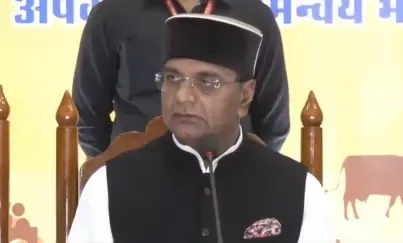
The bill was introduced by Cooperation Minister Babasaheb Patil .
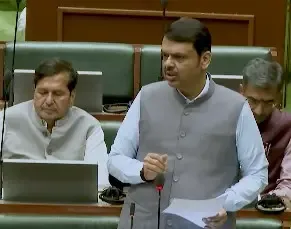
The MahaYuti government on Tuesday, 7 July introduced a bill in the Maharashtra state assembly to amend the Maharashtra Cooperative Societies Act, 1960, making it mandatory for cooperative credit societies to enrol any farmer who owns at least 10 gunthas of land and extend crop loans to them. The bill was tabled by Cooperation Minister Babasaheb Patil and is aimed at dismantling exclusionary practices that have long kept eligible farmers out of the cooperative credit network.
Key Provisions of the Bill
The proposed amendment to Section 23 of the Act mandates that Primary Agricultural Credit Societies (PACS) — the backbone of village-level agricultural loan distribution — cannot deny membership to any farmer holding a minimum of 10 gunthas of land. PACS also supply critical farming inputs including fertilisers, seeds, and pesticides, making membership access a matter of livelihood for millions of cultivators across the state.
A parallel amendment to Section 44 of the Act will legally bar non-agricultural cooperative credit societies from advancing loans to individuals who are not registered members, tightening the financial discipline of these institutions and preventing credit diversion to outsiders.
Gold Loans Extended to Nominal Members
In a move to widen institutional credit access, the bill also proposes allowing non-agricultural cooperative credit societies to disburse gold loans to nominal members. Given that gold loans are secured and quickly processed, demand for them has risen sharply, and this provision is intended to bring more borrowers within the formal cooperative fold.
The Problem the Bill Seeks to Fix
Local political factions have reportedly exploited their control over cooperative bodies to deny membership — and by extension, crop loans — to eligible farmers, using these institutions as tools of patronage and exclusion. Under the existing framework, a farmer whose application is rejected must appeal to the Registrar, a process that critics say subjects ordinary cultivators to prolonged harassment and bureaucratic delays.
This comes amid longstanding concerns about the health of Maharashtra's cooperative credit structure. While a vast majority of the state's farmers depend on PACS for financing, documented instances of deliberate exclusion have undermined the network's foundational purpose. The mandatory membership clause is designed to make such exclusion legally untenable.
Legal Background and What Changes
Section 23 of the Act already states that no cooperative society can deny membership to a person residing within its jurisdiction who meets the conditions set out in its bylaws. However, enforcement has been weak, leaving aggrieved farmers with little recourse beyond a slow appeals process. The proposed amendment converts this principle into a hard obligation, with the 10-guntha land threshold serving as the sole qualifying criterion for agricultural cooperative membership.
With the bill now tabled, it will be taken up for debate in the assembly before being passed into law. If enacted, it is expected to reshape the power dynamics within Maharashtra's cooperative sector and provide a legal shield for farmers who have historically been shut out.
Point of View
But the real test lies in enforcement. Maharashtra's cooperative sector has a long history of reform announcements that were absorbed and neutralised by the same political networks they were meant to curb. The 10-guntha threshold is a clear, objective criterion — harder to game than bylaw-based conditions — but without a swift, accessible grievance mechanism to replace the Registrar appeals route, determined local factions will simply find new procedural levers. The gold loan extension to nominal members is a pragmatic addition, though it raises questions about how 'nominal membership' will be defined and whether it creates a two-tier access system within cooperatives. Maharashtra's cooperative credit architecture is too important to too many farmers to leave implementation to chance.
NationPress
6 Oct 2026
Frequently Asked Questions
What does the Maharashtra cooperative societies amendment bill propose?
The bill makes it mandatory for cooperative credit societies to grant membership and crop loans to any farmer owning at least 10 gunthas of land. It also bars non-agricultural cooperative credit societies from lending to non-members and allows gold loans to be extended to nominal members.
Why was this bill introduced?
Local political factions have reportedly used their control over cooperative bodies to deny eligible farmers membership and access to crop loans. The bill is designed to make such exclusion legally untenable and to remove the bureaucratic burden on farmers who currently must appeal to the Registrar when denied membership.
Who introduced the bill and where?
Cooperation Minister Babasaheb Patil tabled the bill in the Maharashtra state assembly on 7 July. It proposes amendments to the Maharashtra Cooperative Societies Act, 1960.
What is the significance of the 10-guntha land threshold?
10 gunthas is the minimum landholding that qualifies a farmer for mandatory membership in a local cooperative society under the proposed amendment. It serves as a clear, objective criterion, replacing the more discretionary bylaw-based conditions that political factions have exploited.
How does the gold loan provision expand credit access?
The bill proposes allowing non-agricultural cooperative credit societies to disburse gold loans to nominal members — not just full members. Since gold loans are secured and quickly processed, this is intended to bring more borrowers within the formal cooperative credit system.