Maharashtra Unveils Bill to Combat Forced Religious Conversions
Synopsis
The Maharashtra government has introduced the Freedom of Religion Bill, 2026, aiming to prevent illegal religious conversions through coercion or deceit. This significant legislation mandates advance notice for conversions and strengthens protections for vulnerable individuals against predatory practices.
Key Takeaways
Maharashtra Freedom of Religion Bill, 2026 introduced to address unlawful conversions.
Requires 60-day notice prior to converting.
Legal registration of conversions must occur within 25 days .
Empowers relatives to report coercive conversion attempts.
Penalties for organizations involved in illegal conversions include fines and imprisonment.
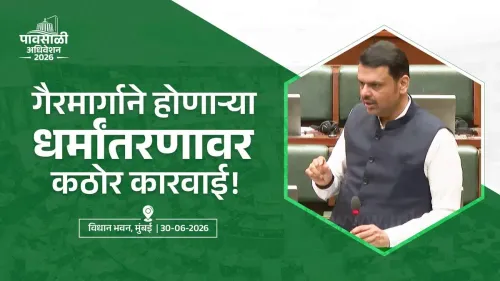
Mumbai, March 13 (NationPress) On Friday, the state administration introduced the Maharashtra Freedom of Religion Bill, 2026, aimed at curbing religious conversions executed through coercion, deceit, or inducements.
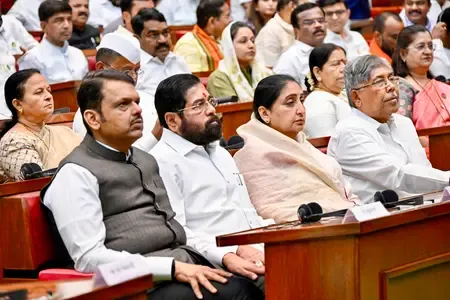
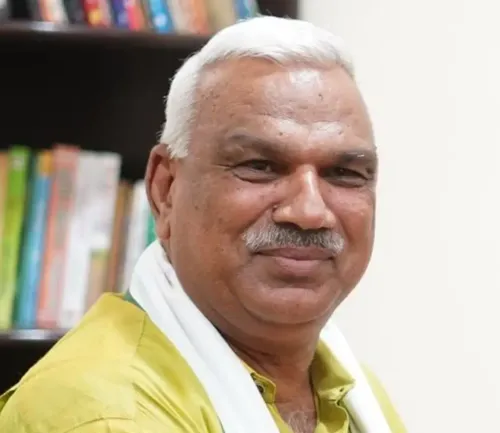
The Bill seeks to uphold the right to freedom of religion while prohibiting unlawful conversions. It was presented by Pankaj Bhoyar, the Minister of State for Rural Development, in the state assembly.
As per the Bill, individuals wishing to convert must submit a notice to district authorities 60 days prior to the conversion.
After the conversion, the change must be officially documented within 25 days to gain legal recognition.
Moreover, the Bill allows the blood relatives of the individual being converted to lodge a complaint if they suspect the conversion process involves coercion or inducement.
Section 14 authorizes the state to ban and impose fines on organizations found guilty of facilitating or financing illegal conversions. Section 9 outlines judicial repercussions for offenders, including imprisonment for up to 7 years and fines reaching Rs 5 lakh.
The Bill enforces stringent administrative regulations and criminal penalties to ensure that conversions stem from personal choice rather than coercion.
It also prohibits conversions through allurement, misrepresentation, coercion, undue influence, or any fraudulent means. The proposed legislation establishes a procedure that includes declaring the intention to convert by notifying the Competent Authority in advance; it necessitates declarations from the converted individual and the organization facilitating the conversion to the Competent Authority post-conversion; outlines offenses and penalties for violating the statute; and mandates investigations of unlawful conversions by officers of no lower rank than Sub-Inspector of Police.
The state cabinet approved the Bill during a meeting on March 5, following recommendations from a high-level special committee. This committee, led by the Director General of Police (DGP), was formed on February 14, 2025, to analyze legal frameworks and draft an effective mechanism for addressing complaints related to illegal conversions.
Once the bill is approved by both houses of the state legislature, it will be forwarded to the President of India for final assent, with the law set to take effect across Maharashtra immediately after receiving presidential approval.
The government asserts that this law is essential for safeguarding vulnerable individuals against predatory conversion practices.
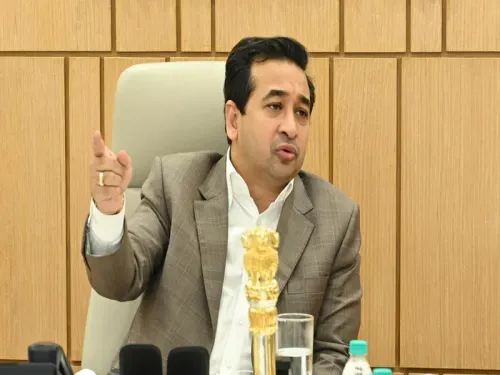
Ministers, including Nitesh Rane, the ports and shopping minister, who has been a staunch advocate for legislation against forced conversions, emphasized that while the Indian Constitution guarantees the freedom to practice any religion, it does not permit converting others through misrepresentation, coercion, or allurement.
States such as Orissa, Madhya Pradesh, Uttar Pradesh, Gujarat, Arunachal Pradesh, Himachal Pradesh, Karnataka, Uttarakhand, and Tamil Nadu have already implemented Freedom of Religion Acts to prohibit such coercive and unlawful conversions.
The Bill further clarifies that the right to freedom of religion enshrined in the Constitution of India is not absolute but is subject to public order, morality, health, and other provisions of Part III of the Constitution concerning citizens' fundamental rights.
It underscores that the Supreme Court of India has consistently ruled that the freedom of religion is subject to reasonable restrictions and that the right to propagate under Article 25 of the Constitution does not encompass the right to forcibly convert others.
Reportedly, there has been a rising trend of religious conversions that are coercive, involuntary, or influence the free consent of citizens, conducted systematically by various organizations.
The Bill notes, “Numerous instances of mass conversions have surfaced, wherein gullible individuals have been forcefully converted from one religion to another through gifts, gratifications, monetary benefits, job offers, free education in religiously affiliated schools or colleges, marriage promises, enhanced lifestyles, divine healing, etc. Such occurrences disrupt public order in the State and adversely affect social harmony.”
In defending the necessity for this legislation, the government highlighted that individuals or families are often vulnerable to unlawful conversions due to their social and economic circumstances. These vulnerable segments of society require state protection, as existing laws inadequately address the issues arising from such religious conversions.
Point of View
The introduction of the Maharashtra Freedom of Religion Bill, 2026, represents a significant step towards protecting individuals from coercive religious conversions. This legislation aims to balance the right to practice one’s faith with the need for safeguards against manipulative practices that can disrupt social harmony.
NationPress
3 Oct 2026
Frequently Asked Questions
What does the Maharashtra Freedom of Religion Bill entail?
The Bill aims to prevent forced, fraudulent, or inducive religious conversions by requiring individuals to notify district authorities 60 days prior to converting and mandates registration of the conversion within 25 days.
What penalties are outlined in the Bill?
The Bill includes penalties for organizations facilitating illegal conversions, including fines and imprisonment for offenders, with sentences up to 7 years.
How does the Bill protect vulnerable individuals?
It empowers blood relatives to file complaints against suspected coercive conversions and establishes strict regulations to ensure conversions are voluntary.
What is the legislative process for the Bill?
After approval from both houses of the state legislature, the Bill will be sent to the President of India for final assent and will be enforced immediately upon approval.
How have other states addressed similar issues?
Other states like Orissa, Madhya Pradesh, and Uttar Pradesh have enacted similar Freedom of Religion Acts to prohibit coercive conversions.