CM Fadnavis: NDRF, SDRF deployed amid Maharashtra floods
Synopsis
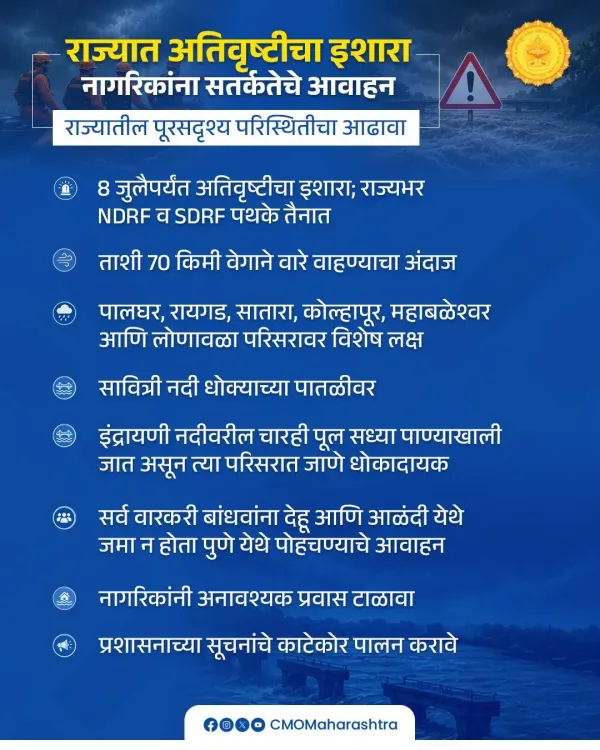
The Chief Minister's Office of Maharashtra declared on 6 July 2026 that disaster management forces are fully deployed amid heavy rain and flooding. NDRF and SDRF teams are positioned in vulnerable areas until 8 July, with CM Devendra Fadnavis overseeing the response. Citizens have been urged to avoid unnecessary travel and follow official instructions.
Key Takeaways
The Chief Minister's Office of Maharashtra confirmed on 6 July 2026 that disaster management machinery is fully operational amid heavy rainfall, flooding, and strong winds.
NDRF and SDRF teams are deployed in potentially affected areas, with the deployment window stated until at least 8 July 2026 .
Chief Minister Devendra Fadnavis has been directly tagged in the official alert, indicating top-level oversight of the response.
Local administration across Maharashtra has been placed on high alert alongside central and state disaster forces.
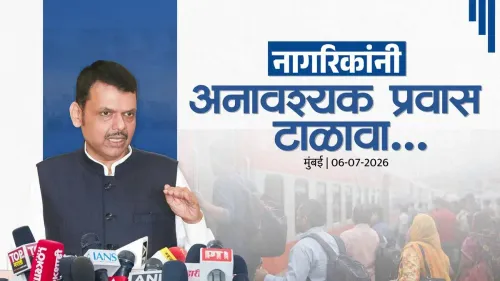
Citizens have been advised to avoid unnecessary travel and strictly follow instructions from the administration.
The response is grounded in the Disaster Management Act, 2005 , which mandates coordinated NDRF-SDRF deployment during emergencies.
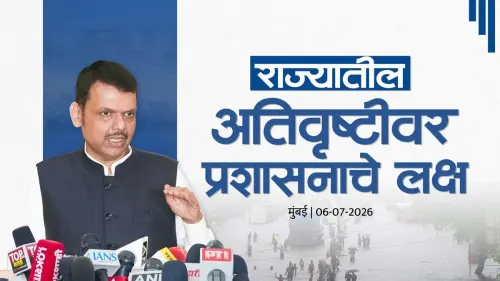
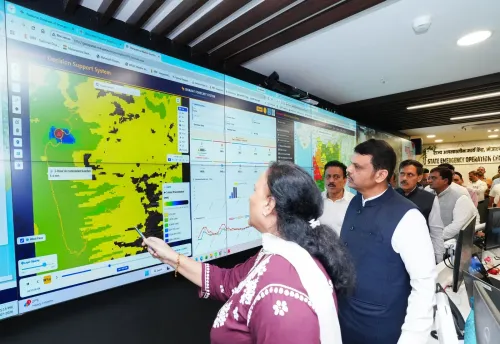
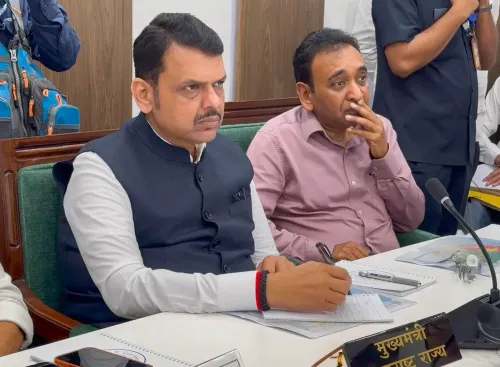
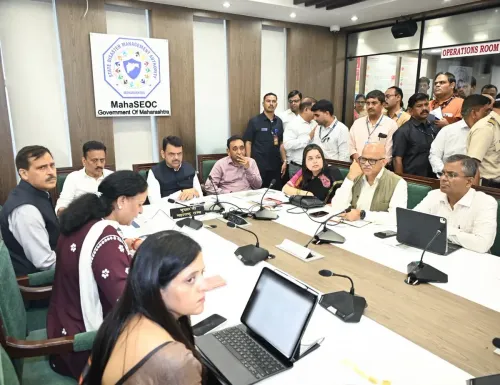
The Chief Minister's Office of Maharashtra announced on Monday, 6 July 2026 that the state's disaster management machinery is fully mobilised in response to heavy rainfall, flooding, and strong winds battering the state. Chief Minister Devendra Fadnavis has been tagged in the alert, signalling direct oversight from the top of the state administration.
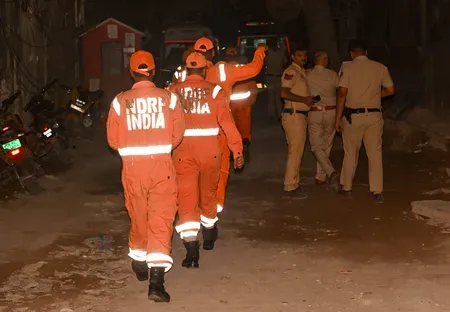
In the Marathi-language post, the CMO stated: 'राज्यात सुरू असलेल्या अतिवृष्टी, पूरस्थिती आणि सोसाट्याच्या वाऱ्याच्या पार्श्वभूमीवर आपत्ती व्यवस्थापन यंत्रणा पूर्णपणे सज्ज आहे' — ('Against the backdrop of ongoing heavy rainfall, flooding, and strong winds in the state, the disaster management machinery is fully prepared'). Teams of the National Disaster Response Force (NDRF) and the State Disaster Response Force (SDRF) have been deployed in potentially affected areas until at least 8 July, with local administration placed on high alert. Citizens have been specifically urged to avoid unnecessary travel and to strictly follow instructions issued by the administration.
Context
Maharashtra is among India's most flood-vulnerable states during the southwest monsoon season, which runs from June to September. Mumbai and several coastal and riverine districts face recurring inundation each year, disrupting transport, displacing residents, and straining civic infrastructure. The state's geography — from the Konkan coast to the Vidarbha plateau — makes it susceptible to both localised cloudbursts and extended flooding along major rivers.Policy Backdrop
The deployment framework draws directly from the Disaster Management Act, 2005, which established the National Disaster Management Authority (NDMA) and mandated the creation of the NDRF under the Ministry of Home Affairs. The Act also required states to constitute their own SDRFs for first-response operations. Maharashtra has maintained a standing protocol of pre-positioning NDRF and SDRF units in vulnerable talukas at the onset of each monsoon season — a practice successive state governments have upheld as part of India's federal disaster management architecture that integrates national, state, and district-level agencies.Stakeholders and Impact
Residents in flood-prone districts across Maharashtra — particularly those along the Konkan coast, the Western Ghats, and low-lying areas of Mumbai — are the most directly affected. Local administration, including district collectors and municipal corporations, has been placed on standby. The advisory to avoid unnecessary travel has immediate implications for daily commuters, inter-district road users, and those in areas with active flood warnings. The NDRF and SDRF teams are tasked with evacuation, rescue, and relief operations as conditions develop.What's Next
The state administration is expected to monitor extended-range forecasts from the India Meteorological Department (IMD) for the remainder of the monsoon season. Subsequent government orders on relief assistance, school closures, or additional force deployment will depend on how the rainfall situation evolves beyond 8 July 2026. The CMO's public advisory signals that the situation remains active and that further official communication is likely as conditions change.Point of View
Moving beyond post-event briefings. By tagging Chief Minister Fadnavis directly, the post signals political accountability at the highest level of the state, a pattern that has become more pronounced since the 2021 Kolhapur floods drew national attention to Maharashtra's disaster preparedness gaps. The emphasis on citizen compliance ('strictly follow instructions') alongside force deployment suggests the administration is managing both the physical emergency and the risk of public panic or avoidable casualties. This dual messaging — reassurance plus directive — is consistent with the NDMA's communication guidelines under the Disaster Management Act framework.
NationPress
5 Oct 2026
Frequently Asked Questions
Is Maharashtra on flood alert today?
Yes. The Chief Minister's Office of Maharashtra issued an alert on 6 July 2026 confirming that heavy rainfall, flooding, and strong winds are ongoing, with NDRF and SDRF teams deployed across vulnerable areas.
Where are NDRF and SDRF teams deployed in Maharashtra?
According to the CMO's post, NDRF and SDRF teams have been positioned in potentially affected areas across Maharashtra , with deployment confirmed until at least 8 July 2026 . Specific district-level locations were not detailed in the official post.
What should Maharashtra residents do during the current floods?
The CMO has advised citizens to avoid unnecessary travel and to strictly follow all instructions issued by the local administration during the ongoing heavy rainfall and flooding.
What is the SDRF and how is it different from the NDRF?
The State Disaster Response Force (SDRF) is Maharashtra's own disaster response unit that supports local authorities during state-level emergencies. The National Disaster Response Force (NDRF) is a central agency under the Ministry of Home Affairs deployed for rapid relief and rescue during major disasters. Both were mandated under the Disaster Management Act, 2005 .
Who is in charge of Maharashtra's flood response?
Chief Minister Devendra Fadnavis heads the state administration and has been tagged in the official disaster alert, indicating direct oversight of the ongoing flood response in Maharashtra .