Maharashtra FDA bans loose spices, unrolls strict new adulteration rules
Synopsis
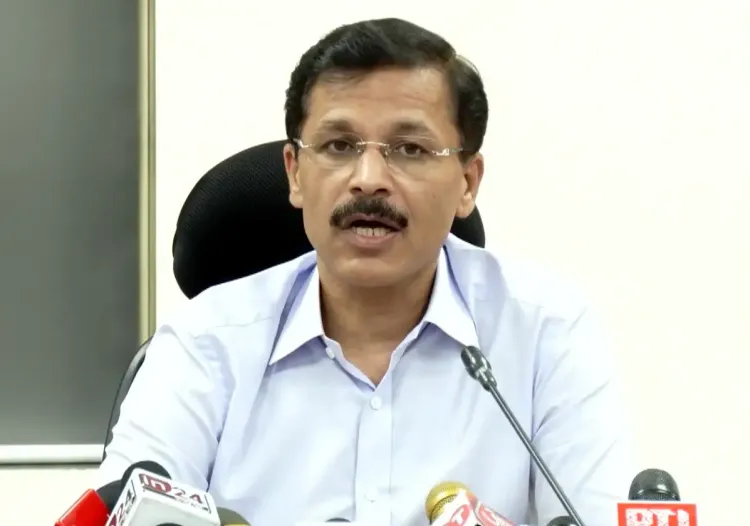
Maharashtra FDA Commissioner Tukaram Mundhe has banned loose spice sales across the entire state and prohibited Ethylene Oxide, artificial colours, and spent spices — the most sweeping crackdown on spice adulteration Maharashtra has seen, backed by licence cancellation and criminal prosecution for violators.
Key Takeaways
Maharashtra FDA Commissioner Tukaram Mundhe announced new spice adulteration guidelines on 15 October 2026 .
Sale of loose, unpackaged spices is now banned statewide; packaging and labelling are mandatory for all sellers.
Use of Ethylene Oxide , artificial colours, synthetic chemicals, sawdust, and spent spices is strictly prohibited.
Spices can no longer be dried in public spaces, on roads, near gutters, garbage dumps, or cattle sheds .
Violations will result in immediate licence cancellation and prosecution under the Food Safety and Standards Act, 2006 , with fines and imprisonment.
The rules extend Maharashtra FDA's ongoing 'Safe Food, Safe Drugs' campaign, which has already targeted adulterated paneer, milk, cooking oil, and restaurant food.
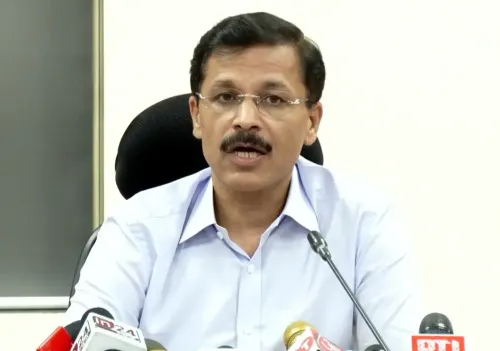
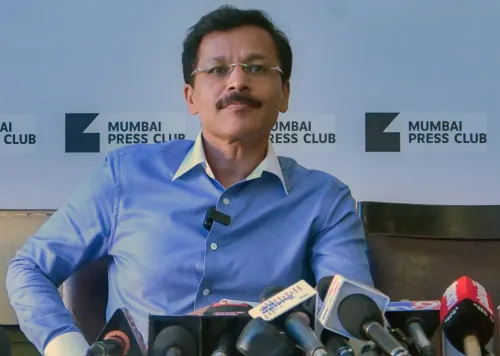
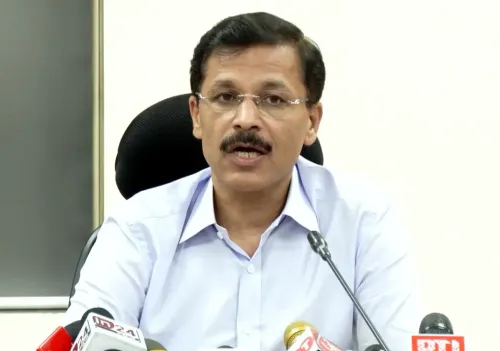
Maharashtra's Food and Drug Administration (FDA) Commissioner Tukaram Mundhe on Thursday, 15 October 2026, unveiled a sweeping set of new regulatory guidelines to clamp down on adulterated spices across the state. The directives govern the production, storage, transportation, and sale of spices and spice-based products, carrying penalties up to licence cancellation and imprisonment under the Food Safety and Standards Act, 2006.
Key Provisions of the New Guidelines
At the heart of the new rules is an outright ban on the sale of loose, unpackaged spices anywhere in Maharashtra. Commissioner Mundhe stated that packaging and labelling are now strictly mandatory for all sellers, a move aimed at preventing tampering and contamination in the supply chain.
The guidelines explicitly prohibit the addition of artificial colours, synthetic chemical components, sawdust, or any foreign adulterant into spices. The sale of spent or extracted spices — those from which essential oils have already been removed — is also banned. Additionally, the use of Ethylene Oxide, a chemical sterilant whose presence in spices triggered international recall alerts in recent years, is strictly prohibited.
Storage and Drying Norms Overhauled
The FDA has imposed new environmental standards on how spices are handled before they reach consumers. Spices can no longer be dried in public spaces, on asphalt roads, near gutters, garbage dumps, or cattle sheds — practices that have long been flagged as contamination risks.
'Storage facilities must be clean, dry, and entirely free from nearby hazardous chemicals, artificial dyes, or toxic substances,' Mundhe said at the press conference. All spice manufacturers, distributors, retailers, and hotel businesses must hold valid licences and ensure their staff receive proper safety training.
Wider FDA Crackdown Context
These spice-specific rules are part of a broader food safety offensive the Maharashtra FDA has been running over the past several months. The agency has already conducted widespread inspections targeting adulterated paneer, milk, cooking oil, and substandard food served at hotels, restaurants, and school canteens. This is the next logical escalation — spices are a staple in nearly every Indian household, making adulteration in this category a public health concern of significant scale.
Notably, concerns over spice adulteration are not new to India. Several major Indian spice brands faced international scrutiny and recall orders in recent years over pesticide residue and Ethylene Oxide levels, lending urgency to the Maharashtra FDA's domestic regulatory response.
Penalties and Enforcement
Commissioner Mundhe issued an unambiguous warning: any violation of the new rules will result in the immediate cancellation of business licences. Offenders will also face legal prosecution under the Food Safety and Standards Act (2006), which provides for heavy fines and imprisonment.
'We are running the 'Safe Food, Safe Drugs' campaign across Maharashtra. There will be zero tolerance for anyone playing with consumer health,' Mundhe emphasised. The FDA is expected to begin inspections against the new benchmarks shortly, with enforcement teams already active across the state.
Point of View
But its durability will depend on enforcement capacity rather than announcement bandwidth. The ban on loose spice sales is a direct structural intervention — it removes the anonymity that makes adulteration easy — but it also places compliance costs squarely on small vendors and kirana stores, who have neither the packaging infrastructure nor the regulatory literacy to adapt quickly. Mundhe's track record of high-visibility raids on paneer and milk suggests genuine intent, yet converting that into sustained inspections across Maharashtra's vast rural spice supply chain is a different challenge altogether. The Ethylene Oxide prohibition is also significant in a global context: Indian spice exports have already taken reputational hits over the issue, and a state-level mandate could pressure the Centre toward a uniform national standard.
NationPress
15 Oct 2026
Frequently Asked Questions
What are Maharashtra's new spice adulteration guidelines?
Maharashtra FDA Commissioner Tukaram Mundhe on 15 October 2026 announced comprehensive rules banning loose spice sales, prohibiting Ethylene Oxide and artificial colours, mandating proper packaging and labelling, and setting strict storage and drying standards. Violations attract licence cancellation and criminal prosecution under the Food Safety and Standards Act, 2006.
Why has Maharashtra banned the sale of loose spices?
The ban on loose, unpackaged spices is intended to prevent tampering and contamination in the supply chain. Unpackaged spices are difficult to trace and easy to adulterate with sawdust, artificial dyes, or synthetic chemicals, posing direct health risks to consumers.
What is Ethylene Oxide and why is its use banned in spices?
Ethylene Oxide is a chemical sterilant sometimes used in spice processing. Its residue in food products has been linked to health hazards, and several Indian spice brands faced international recall orders over Ethylene Oxide levels in recent years. Maharashtra's new guidelines strictly prohibit its use in spices.
What penalties will violators of the new spice rules face?
Businesses and vendors found violating the guidelines face immediate cancellation of their operating licences. They will also be prosecuted under the Food Safety and Standards Act, 2006, which provides for heavy fines and imprisonment terms.
How do these rules fit into Maharashtra FDA's broader food safety drive?
The spice guidelines are the latest step in the FDA's 'Safe Food, Safe Drugs' campaign, which has already targeted adulterated paneer, milk, cooking oil, and substandard food at hotels, restaurants, and school canteens over the past several months. The spice rules extend that enforcement framework to a new, high-consumption category.