Konkan mango, cashew farmers: Maharashtra MLAs slam ₹209 crore NDRF aid as 'paltry'
Synopsis
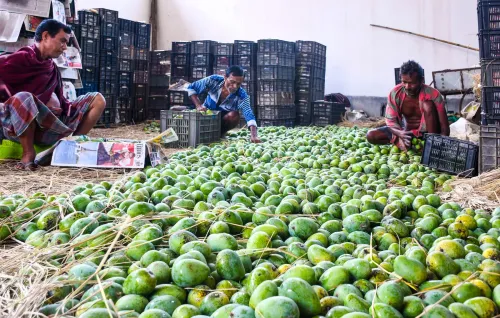
Maharashtra's Konkan farmers got ₹22,500 per hectare under NDRF norms — MLAs wanted ₹1.70 lakh. The gap between the government's ₹209 crore package and what legislators say is needed to cover real losses exposed a widening fault line between standard disaster relief rules and the ground reality of climate-hit horticulture in Konkan.
Key Takeaways
Maharashtra's Agriculture Minister Dattatray Bharane proposed a ₹209 crore NDRF relief package for Konkan mango and cashew farmers on 25 June .
NDRF norms provide just ₹22,500 per hectare ; Shiv Sena (Shinde faction) MLA Nilesh Rane demanded ₹1,70,000 per hectare for mango and ₹1,20,000 per hectare for cashew growers.
An additional ₹217 crore is to be paid out under the Weather-Based Crop Insurance Scheme ; both tranches promised within 15 days .
Over 1.34 lakh farmers across Ratnagiri, Sindhudurg, Raigad, Palghar , and Thane districts are covered under the proposal.
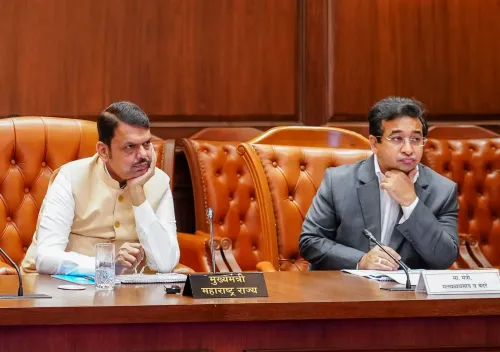
Fisheries Minister Nitesh Rane promised an 'unprecedented' package beyond standard NDRF caps, but gave no revised figure.
Legislators also alleged counterfeit pesticides worsened crop damage and questioned the timing and transparency of the government's crop survey.
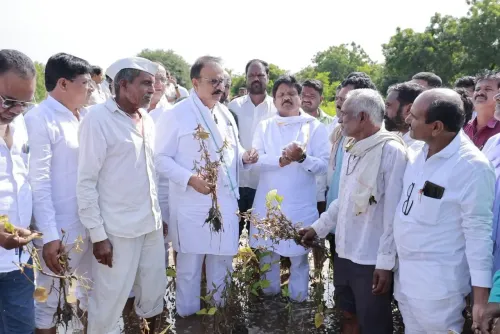
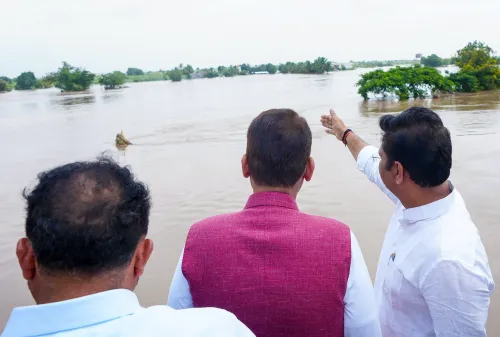
Maharashtra's Legislative Assembly erupted into a fierce confrontation on Thursday, 25 June as lawmakers from the Konkan region cornered Agriculture Minister Dattatray Bharane over what they called an insulting compensation package for mango and cashew growers devastated by unseasonal rains and climate change. The state's proposed National Disaster Response Fund (NDRF) relief of ₹209 crore — translating to just ₹22,500 per hectare under NDRF norms — drew sharp rebuke from legislators who demanded payouts several times higher.
What the Government Proposed
Agriculture Minister Dattatray Bharane told the House that the government had submitted a relief proposal of ₹209 crore for farmers across the Konkan division, to be disbursed under standard NDRF norms at ₹22,500 per hectare. The district-wise breakdown stands as follows: Ratnagiri — ₹98.45 crore for 52,628 farmers; Sindhudurg — ₹79.05 crore for 42,322 farmers; Raigad — approximately ₹20.28 crore for nearly 17,000 farmers; Palghar — ₹6.83 crore for 17,712 farmers; and Thane — ₹4.84 crore for 4,669 farmers.
In addition, mango and cashew growers are set to receive approximately ₹217 crore under the Weather-Based Crop Insurance Scheme. Minister Bharane assured the House that both the NDRF assistance and approved insurance payouts would be credited directly to farmers' bank accounts within the next 15 days.
MLAs Challenge the Numbers
Shiv Sena (Shinde faction) MLA Nilesh Rane led the charge, mounting a pointed attack on the floor of the Assembly. 'Are you just going to tell us anything and expect us to quietly listen? Are you trying to trick our farmers by handing them a pittance per hectare?' he demanded. Rane formally called for compensation of ₹1,70,000 per hectare for mango growers and ₹1,20,000 per hectare for cashew growers — figures roughly seven to eight times higher than the NDRF rate.
He also challenged the mathematical basis of the package, arguing that dividing the total outlay across the large number of affected farmers leaves individuals with negligible sums. Additionally, Rane alleged that counterfeit pesticides had compounded crop damage, a charge the government did not directly address during the session.
MLA Shekhar Nikam joined the assault, noting that the ground reality report for Ratnagiri was submitted only on 10 June, confirming widespread devastation. He demanded a minimum of ₹1,00,000 per hectare, and separately pressed the government to convert medium-term agricultural loans into direct crop loans and announce an immediate debt waiver for the region.
Transparency Questions Over Crop Survey
Minister Bharane countered that joint assessments conducted by the Agriculture Department and Balasaheb Sawant Konkan Krishi Vidyapeeth (the region's agricultural university) identified climate change and erratic weather patterns as the primary causes of the losses. However, Rane sharply questioned the credibility of this assessment, demanding specific dates, locations, and the names of officials involved in the surveys. He pointed out that official paperwork appeared to have been finalised only as the Assembly session approached — raising concerns about the surveys' independence and timing.
Fisheries Minister Steps In to Defuse Standoff
As the uproar intensified, Konkan lawmakers threatened to paralyse Assembly proceedings, continuing their protest even after the Speaker called for the next question on the agenda. Fisheries Minister Nitesh Rane intervened to break the deadlock, acknowledging the exceptional scale of the losses. 'The government is fully prepared to look beyond standard NDRF caps. I assure this House that our mango and cashew growers will receive an unprecedented financial package, the likes of which has never been granted before,' he declared, pacifying the protesting members and bringing the discussion to a close.
The assurance, while welcomed in the moment, was short on specifics — no revised per-hectare figure or total outlay was announced. With disbursements promised within 15 days and pressure from Konkan legislators mounting, the government's next move on farmer compensation will be closely watched.
Point of View
500-per-hectare NDRF rate was designed for field crops, not high-value horticulture — a mango orchard takes years and lakhs of rupees to establish, making the standard formula structurally inadequate for Konkan's farmers. The government's decision to announce relief under existing NDRF caps rather than invoking a state disaster declaration or a special horticulture package reveals the limits of applying uniform disaster norms to diverse crop types. Fisheries Minister Nitesh Rane's floor assurance of an 'unprecedented' package without a figure attached is a political pressure valve, not a policy commitment — and Konkan legislators will hold him to it when the session resumes. The counterfeit-pesticide allegation, if substantiated, adds a regulatory failure dimension that the government has yet to address.
NationPress
25 Jun 2026
Frequently Asked Questions
What compensation has Maharashtra announced for Konkan mango and cashew farmers?
The Maharashtra government has proposed a ₹209 crore relief package under NDRF norms, providing ₹22,500 per hectare to affected farmers across Ratnagiri, Sindhudurg, Raigad, Palghar, and Thane districts. An additional ₹217 crore is to be paid under the Weather-Based Crop Insurance Scheme, with both amounts promised within 15 days.
Why are MLAs calling the Konkan farm relief package 'paltry'?
Legislators argue that the NDRF rate of ₹22,500 per hectare is far too low for high-value horticulture crops like mango and cashew, which require years of investment to cultivate. Shiv Sena (Shinde faction) MLA Nilesh Rane demanded ₹1,70,000 per hectare for mango growers and ₹1,20,000 per hectare for cashew growers, citing the scale of losses from unseasonal rains and climate change.
How many farmers are covered under the Konkan relief proposal?
Over 1.34 lakh farmers across five Konkan districts are covered — 52,628 in Ratnagiri, 42,322 in Sindhudurg, nearly 17,000 in Raigad, 17,712 in Palghar, and 4,669 in Thane — under the ₹209 crore NDRF proposal.
What did Fisheries Minister Nitesh Rane promise in the Maharashtra Assembly?
Fisheries Minister Nitesh Rane intervened to calm protesting Konkan MLAs, declaring that the government is 'fully prepared to look beyond standard NDRF caps' and would deliver an 'unprecedented financial package' for mango and cashew growers. However, no revised per-hectare figure or total outlay was specified.
What other demands did Konkan MLAs make during the Assembly session?
Beyond higher per-hectare compensation, MLA Shekhar Nikam demanded a minimum of ₹1,00,000 per hectare, conversion of medium-term agricultural loans into direct crop loans, and an immediate debt waiver for the region. MLA Nilesh Rane also alleged that counterfeit pesticides had worsened crop damage and questioned the transparency and timing of the government's crop survey.