Dr. Jitendra Singh Hails NH-44 Bridge Restoration Near Kathua
Synopsis
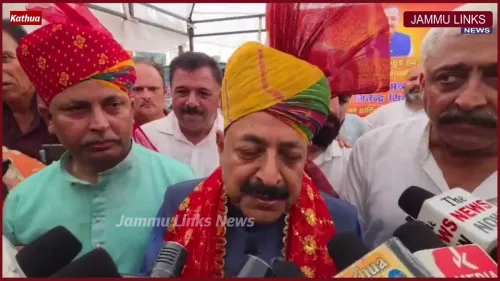
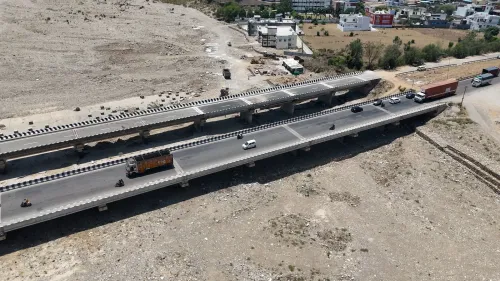
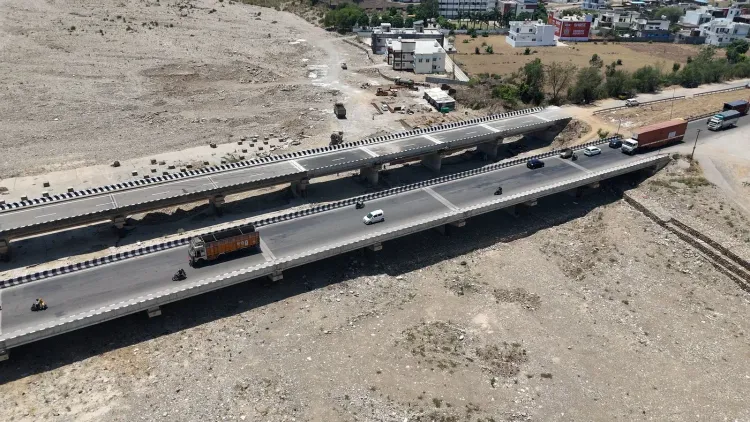
Union Minister Dr. Jitendra Singh on 25 June 2026 hailed the restoration of the Ravi River and Sehar Khad bridges near Kalibari, Kathua on NH-44, crediting Nitin Gadkari for the timely work ahead of the Amarnath Yatra and citing 12 years of Modi government infrastructure focus in Jammu and Kashmir.
Key Takeaways
Jitendra Singh announced on 25 June 2026 that the Ravi River and Sehar Khad bridges near Kalibari, Kathua on NH-44 have been restored.
The restoration was credited to Union Road Transport Minister Nitin Gadkari and described as 'timely' ahead of the Amarnath Yatra .
The bridges are on NH-44 , the principal highway linking Jammu with Srinagar and Ladakh , critical for pilgrims, traders, tourists, and commuters.
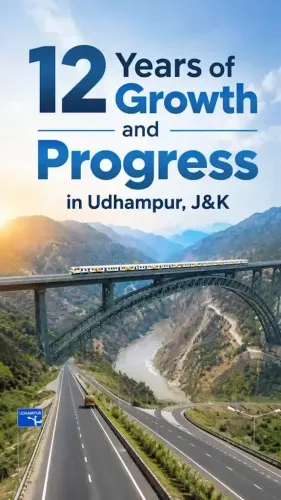
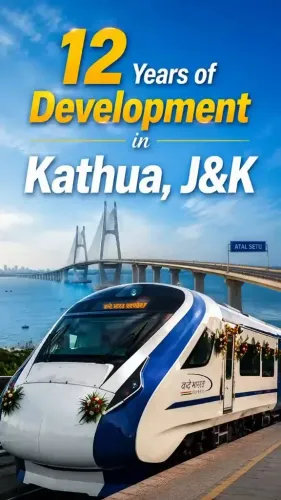
Singh linked the project to 12 years of infrastructure focus by PM Narendra Modi 's government in Jammu and Kashmir .
Central investment in NH-44 infrastructure has been a sustained policy priority since 2014 , accelerated after the 2019 reorganisation of Jammu and Kashmir.
Union Science and Technology Minister Dr. Jitendra Singh on Thursday, 25 June 2026 welcomed the restoration of two key bridges on NH-44 near Kathua, crediting Union Road Transport Minister Nitin Gadkari for the timely work ahead of the Amarnath Yatra. The restored structures — the Ravi River bridge and the Sehar Khad bridge near Kalibari, Kathua — are expected to ease movement for pilgrims, commuters, traders, and tourists on the principal Jammu-Srinagar highway.
Context
Posting on X, Dr. Singh described the development as 'Good News for Kathua,' noting that the restorations came 'on the eve of the holy Amarnath Yatra.' He thanked Nitin Gadkari for 'timely restoration' of the bridges, stating the work would enhance 'ease of travel for commuters, traders, tourists and pilgrims.' The minister also linked the project to what he described as '12 years of continued focus' by Prime Minister Narendra Modi on infrastructure and development in Jammu and Kashmir.
NH-44 is the primary surface artery connecting Jammu with Srinagar and Ladakh. The Kathua district sits at the southern entry of this corridor, making its bridges critical chokepoints for seasonal pilgrimage traffic as well as year-round trade and civilian movement.
Policy Backdrop
Infrastructure investment on NH-44 and allied routes in Jammu and Kashmir has been a consistent policy priority since 2014, accelerated further after the 2019 reorganisation of the region into Union Territories. The Bharatmala Pariyojana, launched in 2015, specifically earmarked resources for constructing and upgrading national highway stretches in the region, including bridges vulnerable to monsoon and winter damage.
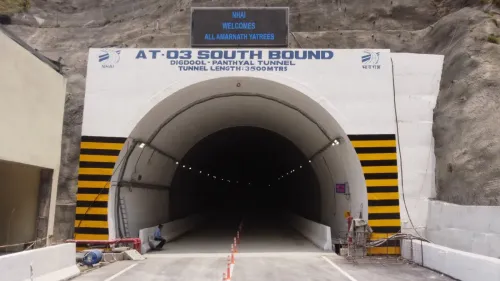
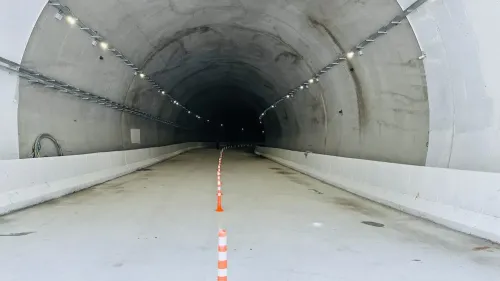
Periodic restoration and reinforcement of bridges and tunnels along this corridor has been undertaken to maintain all-weather connectivity — a goal the central government has framed as essential for both civilian welfare and strategic access. The Ravi River and Sehar Khad bridges near Kalibari represent the kind of critical link-road infrastructure that, when disrupted, can bottleneck the entire Jammu-Kashmir surface route.
Stakeholders and Impact
The most immediate beneficiaries are the Amarnath Yatra pilgrims, whose annual journey to the cave shrine in the Kashmir Valley depends on reliable road access through Jammu division. Any disruption on NH-44 — particularly at river-crossing points — can cascade into significant delays and safety risks for tens of thousands of devotees who undertake the pilgrimage each season.
Beyond pilgrims, Kathua district traders and transporters who rely on the highway for goods movement stand to benefit from restored bridge capacity. Tourists heading toward Jammu and Kashmir's destinations further north also depend on uninterrupted access at this southern gateway. Dr. Singh's post underscores the political salience of such connectivity projects for the Jammu constituency he represents.
What's Next
With the 2026 Amarnath Yatra season now imminent, traffic management and road readiness along NH-44 will remain under close watch. The Ministry of Road Transport and Highways is expected to continue reviewing bridge and tunnel conditions on the corridor through the monsoon period, when infrastructure on this route faces its greatest seasonal stress.
Any further bridge or tunnel announcements for Jammu and Kashmir in the next Union Budget cycle or ministerial review would extend the pattern of central investment that Dr. Singh has consistently highlighted — positioning infrastructure delivery as a measurable indicator of governance in the Union Territory.
Point of View
Framing a routine infrastructure restoration as evidence of sustained central governance in Jammu and Kashmir. By naming both Nitin Gadkari and PM Modi, the message reinforces Cabinet solidarity and projects the BJP's development narrative ahead of a high-visibility pilgrimage period. The reference to '12 years' is a calculated callback to the Modi government's 2014 start, positioning infrastructure delivery as an electoral asset in a region where connectivity remains both a practical necessity and a politically charged issue. The post also reflects Dr. Singh's consistent role as a communicator of central schemes to his Jammu and Kashmir constituency base.
NationPress
24 Sept 2026
Frequently Asked Questions
Which bridges were restored near Kathua on NH-44?
The Ravi River bridge and the Sehar Khad bridge near Kalibari, Kathua on NH-44 were restored, as announced by Union Minister Dr. Jitendra Singh on 25 June 2026.
Why is the NH-44 bridge restoration near Kathua important for Amarnath Yatra?
NH-44 is the primary road linking Jammu to Srinagar and the Kashmir Valley, and the Kathua bridges are key crossing points for pilgrims travelling to the Amarnath cave shrine. Their restoration ensures uninterrupted movement during the annual pilgrimage season.
Who is responsible for the NH-44 bridge restoration in Kathua?
Union Road Transport Minister Nitin Gadkari was credited by Dr. Jitendra Singh for the timely restoration of the bridges on NH-44 near Kathua.
What is the significance of Kathua on NH-44?
Kathua district is located at the southern entry of the Jammu-Srinagar highway corridor, making its bridges and roads critical chokepoints for pilgrimage traffic, trade, and civilian movement between Jammu and the Kashmir Valley.
How long has the Modi government been investing in Jammu and Kashmir road infrastructure?
Dr. Jitendra Singh cited 12 years of continued focus by the Modi government on infrastructure in Jammu and Kashmir, referring to investment since 2014, accelerated after the 2019 reorganisation of the region into Union Territories.