Jal Shakti Minister Paatil Highlights Namami Gange Progress at Summit
Synopsis
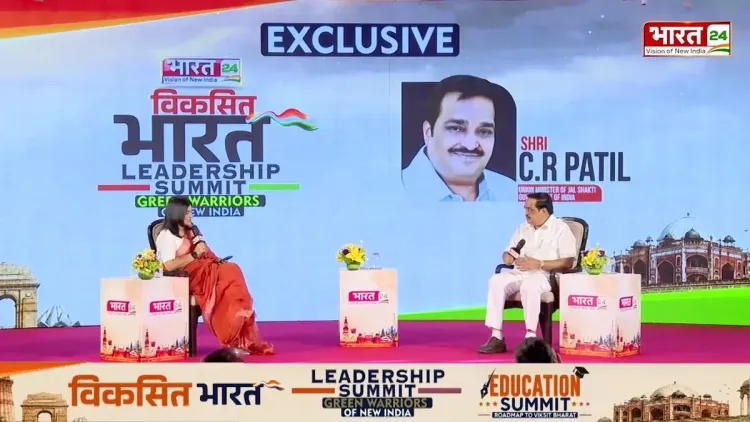
Union Jal Shakti Minister C. R. Paatil addressed the Viksit Bharat Leadership Summit on 25 June 2026, highlighting the unprecedented progress of the Namami Gange mission and outlining future priorities for Ganga rejuvenation under the broader Viksit Bharat development vision.
Key Takeaways
Paatil , Union Minister of Jal Shakti, spoke at the Viksit Bharat Leadership Summit on 25 June 2026 .
He described the Namami Gange mission's progress as 'unprecedented' and outlined current efforts and future priorities.
The Namami Gange scheme was approved in May 2015 with an initial outlay of Rs 20,000 crore for integrated Ganga rejuvenation.
The Jal Shakti Ministry , created in 2019 , serves as the nodal body coordinating Namami Gange across basin states and urban local bodies.
The mission links river conservation with the Arth Ganga economic corridor framework, connecting environmental and development goals.
Upcoming milestones include the next Namami Gange annual progress report and potential expansion of Arth Ganga to tributary rivers.
Union Jal Shakti Minister C. R. Paatil addressed the Viksit Bharat Leadership Summit on 25 June 2026, discussing the unprecedented progress, ongoing efforts, and future priorities of the Namami Gange mission before a national audience of policy and industry leaders.
Context
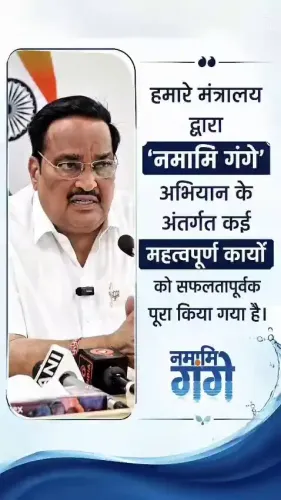
Speaking at the summit, Minister Paatil outlined what he described as 'अभूतपूर्व प्रगति' (unprecedented progress) achieved under the Namami Gange mission. He used the platform to frame the river-rejuvenation programme as a centrepiece of the broader Viksit Bharat — or 'Developed India' — vision, connecting environmental restoration to national development goals.
The Namami Gange mission, approved by the Union Cabinet in May 2015 with an initial outlay of Rs 20,000 crore, was designed as a flagship integrated programme to clean and rejuvenate the Ganga river through sewage treatment infrastructure, river surface cleaning, and biodiversity conservation across the entire basin.
Policy Backdrop
The Jal Shakti Ministry, formed in 2019 by merging the water resources and drinking water and sanitation departments, has served as the nodal body for coordinating Namami Gange implementation across Ganga basin states and urban local bodies. The consolidation was intended to bring integrated planning to river management and rural water supply under a single administrative roof.
India's efforts to clean the Ganga date to the 1980s, with successive action plans preceding the current mission. Namami Gange marked a strategic shift toward integrated basin management — combining hard infrastructure with afforestation drives and public participation campaigns — rather than treating pollution abatement as a standalone engineering exercise. The mission also sits within the Arth Ganga framework, which seeks to link river conservation with economic activity along the riverbank corridor.
Stakeholders and Impact
The Namami Gange programme directly affects communities across the Ganga basin, which spans states including Uttarakhand, Uttar Pradesh, Bihar, Jharkhand, and West Bengal. Urban local bodies in dozens of towns along the river are responsible for implementing sewage treatment projects funded under the scheme, making their administrative capacity a key variable in outcomes.
Discussions at high-profile summits such as this one typically serve a dual purpose: communicating implementation metrics to a national audience and signalling policy direction ahead of parliamentary sessions or annual budget reviews. Minister Paatil's participation underscores the government's intent to keep Namami Gange visible as a flagship environmental commitment under the Viksit Bharat umbrella.
What's Next
Observers will watch for the release of the next Namami Gange annual progress report, which is expected to detail sewage treatment capacity added, river-stretch pollution levels, and biodiversity indicators. Any announcement on expanding the Arth Ganga economic corridor framework to cover tributary rivers would signal a significant broadening of the mission's geographic and economic scope.
With parliamentary scrutiny of water-sector spending a recurring feature of budget sessions, Minister Paatil's public articulation of the mission's priorities at a national forum sets the narrative ahead of those deliberations. The government's ability to demonstrate measurable water-quality improvements in the Ganga will remain the benchmark against which the mission's success is judged.
Point of View
Keeping a flagship environmental promise front and centre as the government approaches budget and parliamentary review cycles. The framing of river rejuvenation within the Viksit Bharat narrative signals an effort to position ecological goals as inseparable from India's development ambitions — a rhetorical shift that broadens the mission's political constituency beyond environmental advocates. With Ganga-basin states representing a large share of the electorate, sustained ministerial visibility on the issue carries electoral as well as policy weight. The key test, however, remains the government's ability to translate summit rhetoric into independently verifiable improvements in Ganga water quality.
NationPress
24 Sept 2026
Frequently Asked Questions
What is the Namami Gange mission?
Namami Gange is a flagship central sector scheme launched in 2014-15 and approved by the Union Cabinet in May 2015 with an outlay of Rs 20,000 crore, aimed at cleaning and rejuvenating the Ganga river through sewage treatment, river surface cleaning, and biodiversity conservation.
Who is C. R. Paatil and what is his role?
C. R. Paatil is the Union Minister of Jal Shakti since 2024 and a senior BJP leader. He oversees water resources and river management policy, including the Namami Gange mission, through the Jal Shakti Ministry.
What did C. R. Paatil say at the Viksit Bharat Leadership Summit?
Minister Paatil discussed the unprecedented progress of the Namami Gange mission, the government's ongoing efforts for Ganga rejuvenation, and the future priorities of the programme at the summit held on 25 June 2026.
What is the Arth Ganga framework?
Arth Ganga is an economic corridor framework that seeks to link Ganga river conservation with economic activity along the riverbank, connecting environmental restoration goals with livelihood and development objectives for basin communities.
Which states are covered under the Namami Gange mission?
The Namami Gange mission covers the entire Ganga basin, which includes states such as Uttarakhand, Uttar Pradesh, Bihar, Jharkhand, and West Bengal, with urban local bodies in towns along the river implementing sewage treatment projects under the scheme.