Maharashtra mandates healthy food in govt meetings and canteens
Synopsis
Maharashtra has done what most governments only talk about — it has formally mandated nutritious food in official meetings and canteens, with ICMR-NIN guidelines as the benchmark and catering contracts as the enforcement lever. The Mantralaya canteen is already running the pilot. Whether compliance holds beyond the launch enthusiasm is the real test.
Key Takeaways
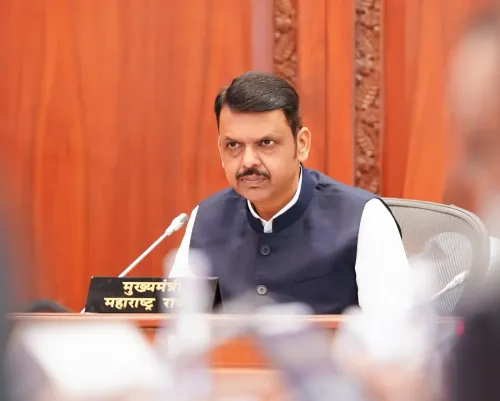
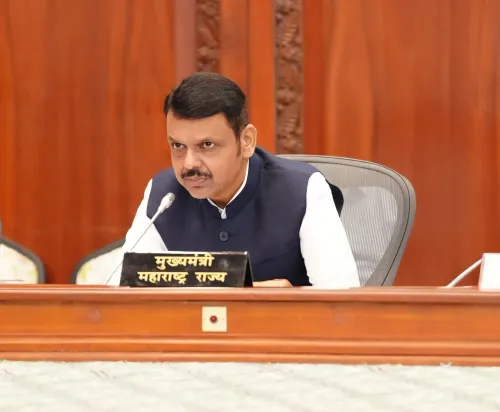
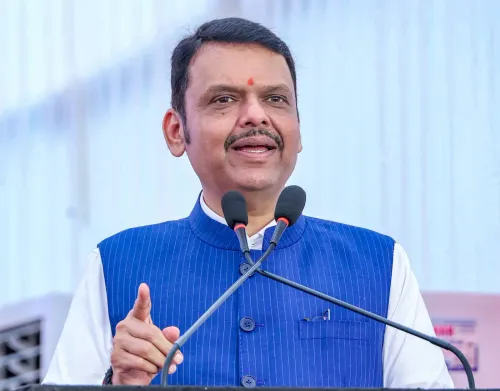
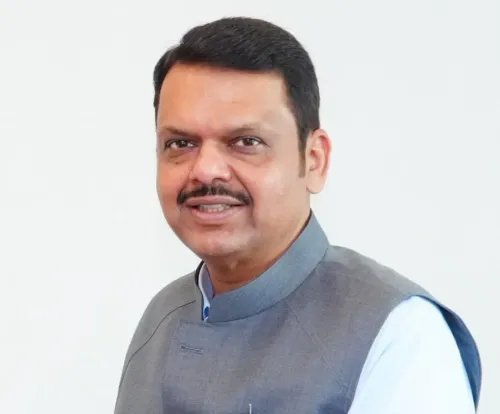
The Maharashtra Cabinet chaired by CM Devendra Fadnavis approved a healthy food mandate on 2 September .
Nutritious items such as seasonal fruits, boiled eggs, poha, idli-sambar, ragi bhakri, and buttermilk will be prioritised at all official events and canteens.
Healthy menus will be mandatory in all new catering contracts across government offices.
Menus may be aligned with ICMR-NIN dietary guidelines.
The Mantralaya canteen has already begun the transition, reducing oily snacks in favour of nutritious meals.
The same Cabinet session also approved a ₹1,020.50 crore elevated corridor in Solapur as a Vital Public Project.
The Maharashtra Cabinet, chaired by Chief Minister Devendra Fadnavis, on 2 September approved a policy making nutritious snacks and balanced meals mandatory across government and semi-government meetings, official events, training sessions, and canteens. The directive marks a formal institutional push to embed healthy eating into the daily routines of the state's bureaucratic workforce.
What the Policy Mandates
Under the new guidelines, government departments will be instructed to prioritise nutrient-rich, locally sourced, and traditional foods during all official gatherings. Priority items include seasonal fruits (bananas, apples, guavas, papayas), boiled eggs, boiled sprouts, poha, idli-sambar, hot milk on demand, unsweetened green tea, ragi (nachni) bhakri, jowar-bajra bhakri, buttermilk, salads, and a variety of vegetables, lentils, and legumes.
Lunch and dinner menus will systematically incorporate lentils, legumes, leafy vegetables, buttermilk, salad, and balanced grains. The policy explicitly targets a reduction in oily and heavily processed food during tea breaks and snack intervals.
Implementation and Contracts
Inclusion of the healthy menu will be made mandatory in all new catering contracts across relevant government offices. Before rollout, government and semi-government bodies have been advised to consult with their employees on health-conscious practices and to formulate standard guidelines for menu planning.
Organisations are also expected to run awareness programmes on healthy living and balanced diets. Menus may be aligned with guidelines issued by the Indian Council of Medical Research – National Institute of Nutrition (ICMR-NIN).
Mantralaya Canteen Leads by Example
The Mantralaya canteen in Mumbai has already initiated this shift, offering fruits, boiled eggs, boiled sprouts, poha, idli-sambar, hot milk, and green tea. The transition has reportedly reduced the share of oily snacks served, replacing them with meals centred on lentils, legumes, leafy greens, buttermilk, salad, and vegetable pulav.
Solapur Elevated Corridor Also Cleared
In a separate decision at the same Cabinet meeting, Maharashtra approved a ₹1,020.50 crore four-lane elevated corridor between Juna Pune Naka and Boramani Naka in Solapur, designating it a 'Vital Public Project'. To accelerate execution, the state government approved the transfer of land held by various government departments to the National Highways Authority of India (NHAI) free of occupancy charges.
The directive follows instructions from Chief Minister Fadnavis to clear procedural delays. The project is expected to ease local traffic within Solapur city and improve interstate transit connectivity. With both decisions formalised on Tuesday, the Cabinet has signalled a dual focus on public health and urban infrastructure.
Point of View
High-visibility welfare signal — but its impact depends entirely on enforcement, which Indian bureaucratic directives have historically struggled with. Tying the requirement to catering contracts is a smarter mechanism than a circular alone, yet without third-party audits or employee feedback loops, compliance will likely be uneven. The ICMR-NIN reference adds scientific credibility, but the real question is whether departments will treat this as a binding procurement standard or a suggestion. If the Mantralaya canteen model is genuinely replicated across Maharashtra's sprawling government apparatus, it could set a replicable precedent for other states — but that 'if' is doing a lot of work.
NationPress
17 Oct 2026
Frequently Asked Questions
What has the Maharashtra Cabinet decided about food in government offices?
The Maharashtra Cabinet has made nutritious and balanced food mandatory at all government and semi-government meetings, official events, training sessions, and canteens. The policy prioritises items like seasonal fruits, boiled eggs, poha, idli-sambar, ragi bhakri, and buttermilk, while reducing oily and processed snacks.
Which foods will be prioritised under Maharashtra's new healthy food policy?
Priority foods include seasonal fruits (bananas, apples, guavas, papayas), boiled eggs, boiled sprouts, poha, idli-sambar, hot milk, unsweetened green tea, ragi bhakri, jowar-bajra bhakri, buttermilk, salads, lentils, and legumes. Oily snacks and heavily processed items are to be phased out.
How will the Maharashtra government enforce the healthy food mandate?
The healthy menu requirement will be made mandatory in all new catering contracts across relevant government offices. Departments are also advised to consult employees and formulate standard menu planning guidelines, with reference to ICMR-NIN dietary recommendations.
Has any government office already implemented this healthy food policy?
Yes, the Mantralaya canteen in Mumbai has already begun the transition, offering fruits, boiled eggs, boiled sprouts, poha, idli-sambar, hot milk, and green tea. The shift has reportedly reduced the proportion of oily snacks served.
What else did the Maharashtra Cabinet approve on 2 September?
The Cabinet also approved a ₹1,020.50 crore four-lane elevated corridor between Juna Pune Naka and Boramani Naka in Solapur, classified as a 'Vital Public Project'. Land from various government departments will be transferred to NHAI free of occupancy charges to expedite the project.