Fadnavis orders fresh, nutritious school meals policy for Maharashtra
Synopsis
Maharashtra CM Devendra Fadnavis has pushed to overhaul how school meals are delivered — decentralising decisions to district bodies, flagging a possible Class 10 expansion, and mandating millets over maida. With 85,206 schools in scope, the policy reboot could reshape midday nutrition for millions of students across the state.
Key Takeaways
Maharashtra CM Devendra Fadnavis reviewed the PM POSHAN Scheme on 5 October 2026 and directed a joint policy by the School Education and WCD Departments.
Authorities are examining extending scheme benefits to students up to Class 10 , currently capped at Class 8 .
The scheme covers 85,206 schools ; students in Classes 1–5 get 450 calories and those in Classes 6–8 get 700 calories per meal.
Central kitchens to be used in urban and feasible rural areas; Gram Panchayats to handle remote and tribal regions.
Millet-based items to be included; Chief Secretary Rajesh Aggarwal recommended eliminating refined flour ( maida ) from school meals.
30 urban Anganwadis have been entrusted to ISKCON for meal provision, with expansion planned after review.
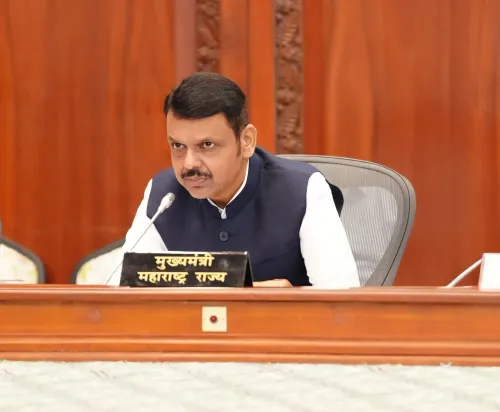
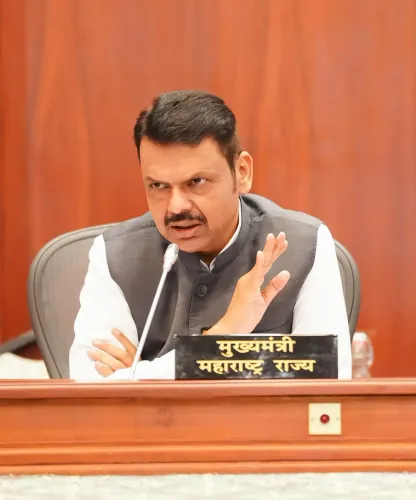
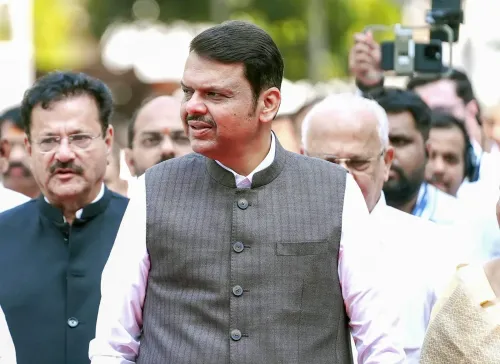
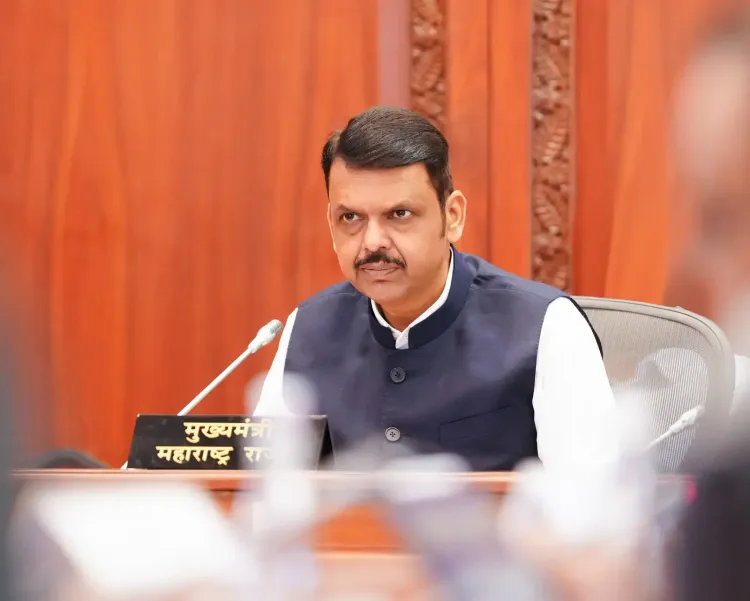
Maharashtra Chief Minister Devendra Fadnavis on Monday, 5 October 2026, directed that district-level authorities be empowered to make localised decisions to ensure students receive fresh, nutritious, and high-quality meals on time under the Pradhan Mantri Poshan Shakti Nirman (PM POSHAN) Scheme. The directive came during a review meeting of the scheme held in Mumbai, where Fadnavis called on the School Education Department and the Women & Child Development (WCD) Department to jointly formulate a policy and issue necessary guidelines.
Key Directives from the Chief Minister
Fadnavis instructed officials to examine the feasibility of extending PM POSHAN benefits to students up to Class 10, against the current ceiling of Class 8, and to submit a formal proposal. He emphasised that central kitchens should be used in urban areas and wherever practical in rural regions, while Gram Panchayats should step in with alternative arrangements in remote and tribal areas where kitchen-to-school delivery times are longer.
The Chief Minister also stressed that meal distribution responsibilities should, wherever feasible, be assigned to local Self-Help Groups (SHGs). District Collectors, Zilla Parishad CEOs, and Municipal Commissioners were directed to take decisions based on local needs, with clear criteria defined for food quality, service standards, and payment systems.
Nutrition, Millets, and Local Food Habits
Fadnavis called on District-Level Nutrition Committees to plan the inclusion of locally available, protein-rich food items in school menus, with Zilla Parishad CEOs tasked with coordinating the process. He specifically emphasised the inclusion of millet-based items and other nutritious options, keeping local food habits and student preferences in mind — in line with the Centre's broader push for millet adoption.
Notably, Chief Secretary Rajesh Aggarwal suggested that refined flour (maida) should not be used in school meals. The meeting was also informed that 12 standardised recipes — including different pulaos, khichdi, usal, and dal-rice preparations — have already been developed to provide variety.
What the Ministers Said
School Education Minister Dadaji Bhuse suggested expanding the scope of central kitchens and providing funds to Gram Panchayats to delegate local nutrition responsibilities. He also requested that a proposal be sent to the Central Government to reduce the proportion of rice in meals and increase the share of other foodgrains. Bhuse added that health cards are being prepared for school students and that health check-ups will now be conducted in the presence of parents.
Women & Child Development Minister Aditi Tatkare stated that, through her department, meal provision for 30 Anganwadis in urban areas is being entrusted to ISKCON and that the coverage would be expanded after reviewing its effectiveness. She recommended granting decision-making authority to District Collector-led Nutrition Committees and suggested using loose, fresh food ingredients tailored to local needs instead of pre-mixes or fortified items.
Scheme Coverage and Nutritional Standards
Under the PM POSHAN Scheme, the School Education Department currently covers students from primary classes up to Class 8 across 85,206 eligible schools — spanning state, central, local-body, private-aided, and partially aided institutions. As per Central government guidelines, students in Classes 1 to 5 receive meals providing 450 calories and 12 grams of protein, while students in Classes 6 to 8 receive 700 calories and 20 grams of protein daily.
A presentation was made by Commissioner Sachindra Pratap Singh on behalf of the School Education Department, Commissioner Madhavi Sardeshmukh for Integrated Child Development Services, and representatives of ISKCON regarding the Annamrita Foundation's central kitchens. The joint policy is to be presented to the Cabinet after incorporating inputs from District Collectors and Zilla Parishad CEOs.
Point of View
Quality lapses, and poor monitoring, and issuing fresh guidelines does not automatically fix those structural gaps. The proposed Class 10 expansion, if approved, would be a meaningful addition, but it also raises questions about funding adequacy within the existing Central Government formula. The ISKCON tie-up for Anganwadis is a pragmatic pilot, yet outsourcing to a single religious organisation at scale could attract scrutiny around inclusivity. How the joint Cabinet proposal translates into measurable nutritional outcomes — rather than just process compliance — will determine whether this is a genuine overhaul or another layer of well-intentioned paperwork.
NationPress
5 Oct 2026
Frequently Asked Questions
What did Maharashtra CM Fadnavis direct at the PM POSHAN review meeting?
Chief Minister Devendra Fadnavis directed that district-level authorities be empowered to make localised decisions to ensure fresh and nutritious meals reach students on time under the PM POSHAN Scheme. He also called for a joint policy from the School Education and Women & Child Development Departments, to be presented to the Cabinet.
Will the PM POSHAN Scheme be extended to Class 10 students in Maharashtra?
Fadnavis has asked officials to examine the feasibility of extending benefits to students up to Class 10, compared with the current limit of Class 8, and to submit a formal proposal. No decision has been finalised yet.
How many schools are covered under PM POSHAN in Maharashtra?
The scheme currently covers students from primary classes to Class 8 across 85,206 eligible schools, including state, central, local-body, private-aided, and partially aided institutions in Maharashtra.
What nutritional standards do students receive under the scheme?
As per Central government guidelines, students in Classes 1 to 5 receive meals providing 450 calories and 12 grams of protein daily, while students in Classes 6 to 8 receive 700 calories and 20 grams of protein.
What role will ISKCON play in Maharashtra's school nutrition efforts?
Women & Child Development Minister Aditi Tatkare stated that meal provision for 30 urban Anganwadis is being entrusted to ISKCON through her department. The coverage is expected to be expanded after reviewing its effectiveness.