CM Fadnavis Revamps Maharashtra's Bal Bhavan Network
Synopsis
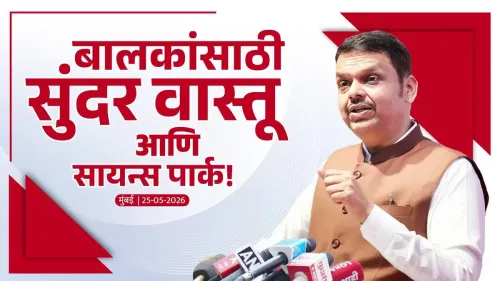
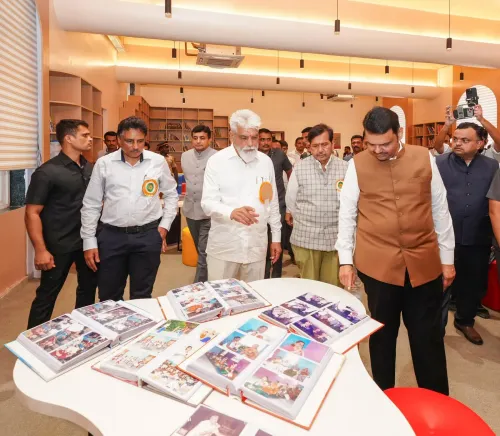
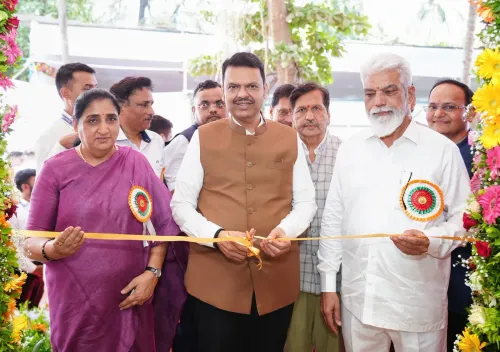
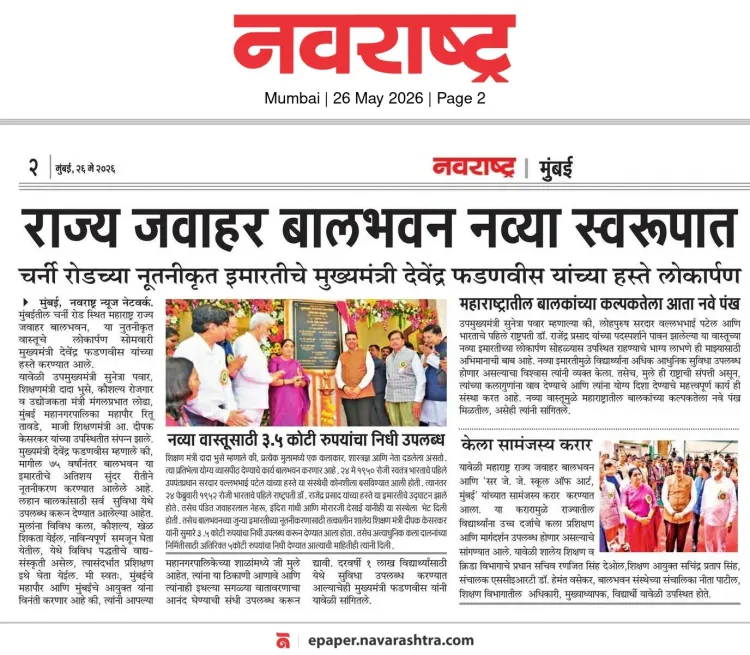
Maharashtra's Chief Minister's Office announced on 26 May 2026 that Bal Bhavan centres under the School Education Department are being relaunched in a new form, signalling a state-backed modernisation of extracurricular learning hubs for school-age children across the state.
Key Takeaways
The Chief Minister's Office of Maharashtra announced on 26 May 2026 that Bal Bhavan centres are being relaunched in a new form.
The initiative is administered by the School Education Department of Maharashtra .
Chief Minister Devendra Fadnavis was directly tagged, signalling high-level political ownership of the revamp.
Bal Bhavan centres provide arts, science, cultural and recreational activities to school-age children across Maharashtra.
The revamp aligns with National Education Policy 2020 goals of holistic and activity-based learning.
District-level rollout schedules and curriculum integration circulars are awaited from the department.
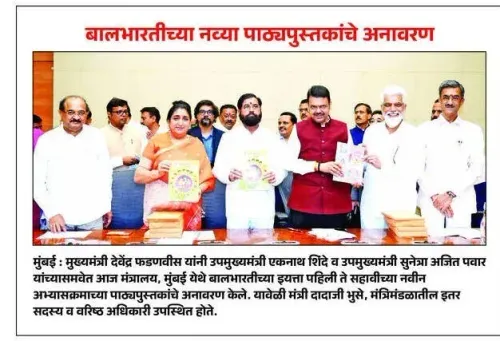
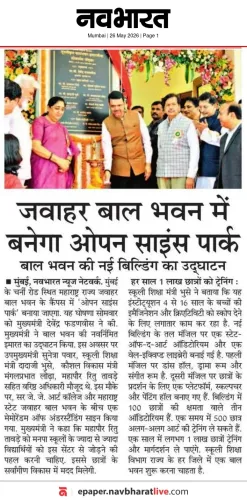
The Chief Minister's Office of Maharashtra announced on Tuesday, 26 May 2026 that the state's Bal Bhavan centres, run under the School Education Department, are being relaunched in a new avatar, tagging Chief Minister Devendra Fadnavis in the post.
The CMO's post, written in Marathi, states: 'शालेय शिक्षण विभागाचे बालभवन नव्या स्वरूपात' — meaning 'The School Education Department's Bal Bhavan in a new form.' The announcement signals a formal modernisation drive for these long-standing extracurricular centres that serve school-age children across Maharashtra.
Context
Bal Bhavan centres are a network of state-run facilities designed to supplement formal schooling with arts, science, cultural, and recreational activities. Maharashtra has operated these centres for decades under successive governments, periodically upgrading them to keep pace with evolving educational priorities. The latest announcement positions the current revamp as a significant structural overhaul rather than a routine maintenance exercise. The CMO's decision to tag Chief Minister Devendra Fadnavis directly underlines the political importance the government attaches to the initiative, placing it within his broader education and child development agenda.Policy Backdrop
The revamp aligns closely with the spirit of the National Education Policy (NEP) 2020, which emphasises holistic, activity-based, and experiential learning alongside conventional classroom instruction. Maharashtra has consistently sought to link formal schooling reforms with expanded creative and physical development opportunities outside the classroom. The School Education Department of Maharashtra administers both primary and secondary schooling policy across the state, making it the natural institutional anchor for any Bal Bhavan upgrade. Previous iterations of such revamps have involved infrastructure improvements, updated equipment for science and arts labs, and revised activity curricula for enrolled children.Stakeholders and Impact
The primary beneficiaries of a Bal Bhavan overhaul are school-age children across Maharashtra's districts, who use these centres for learning experiences unavailable in standard classrooms — from performing arts and visual arts to introductory science experiments and sports. Teachers and education facilitators staffing the centres are also directly affected, as modernisation typically brings revised training requirements. Education-focused civil society organisations and NGOs working on child development in the state have long advocated for upgraded Bal Bhavan infrastructure, arguing that the centres' potential as community learning hubs remains underutilised. A state-backed revamp could open avenues for structured public-private collaboration in programme delivery.What's Next
Attention will now turn to district-level rollout timelines for the upgraded infrastructure and whether the School Education Department issues formal curriculum circulars integrating Bal Bhavan activities with school timetables. The scale and pace of implementation across Maharashtra's 36 districts will determine whether this announcement translates into measurable change for children in smaller towns and rural areas. If the revamp is tied to NEP 2020 implementation targets, it could become a model other states reference when modernising their own extracurricular centre networks.Point of View
Widely recognised institution carries lower political risk than launching an entirely new scheme, while still generating positive optics around child welfare. The alignment with NEP 2020 also allows the state to position itself as a proactive implementer of central policy, strengthening its case for additional Union funding. The real test will be whether the 'new form' translates into equitable upgrades across rural and tribal districts, not just urban centres.
NationPress
14 Oct 2026
Frequently Asked Questions
What is Bal Bhavan in Maharashtra?
Bal Bhavan centres in Maharashtra are state-run facilities managed by the School Education Department that provide school-age children with extracurricular activities including arts, science, culture, and sports, supplementing formal classroom education.
What does the Bal Bhavan revamp announced in May 2026 involve?
The Chief Minister's Office of Maharashtra announced on 26 May 2026 that Bal Bhavan is being relaunched in a new form; specific operational changes are yet to be detailed by the School Education Department.
How does the Bal Bhavan relaunch relate to NEP 2020?
The revamp aligns with the National Education Policy 2020's emphasis on holistic and activity-based learning, which encourages states to build extracurricular and experiential learning opportunities alongside conventional schooling.
Who is responsible for Bal Bhavan in Maharashtra?
The School Education Department of Maharashtra administers Bal Bhavan centres across the state, with overall policy direction from the Chief Minister's Office under Chief Minister Devendra Fadnavis.
Which children benefit from Bal Bhavan centres in Maharashtra?
School-age children across Maharashtra's districts benefit from Bal Bhavan centres, gaining access to arts, science, cultural activities, and recreation that are typically not part of standard school curricula.