Maharashtra sugar mills: 13-member panel to plan revival
Synopsis
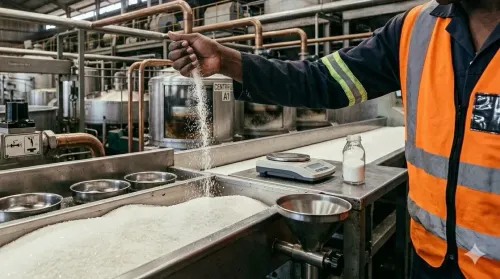
Maharashtra has appointed a 13-member panel to revive cooperative sugar mills after a prolonged decline. The committee will examine debt, financial viability and diversification, including a proposal that mills provide 70% of funding for such projects.
Key Takeaways
The Maharashtra government formed a 13-member committee on 23 November to plan the revival of cooperative sugar mills.
The panel, headed by the Sugar Commissioner , must submit its report within two months .
The government resolution says fewer than 100 cooperative mills are actively crushing, compared with more than 200 operational mills two decades ago.
According to the resolution, 33 mills received NCDC assistance backed by state guarantees over the past two years , but their finances have not fully stabilised.
The panel will assess a proposed diversification funding split of 20% from the Centre, 10% from the state and 70% from mills.
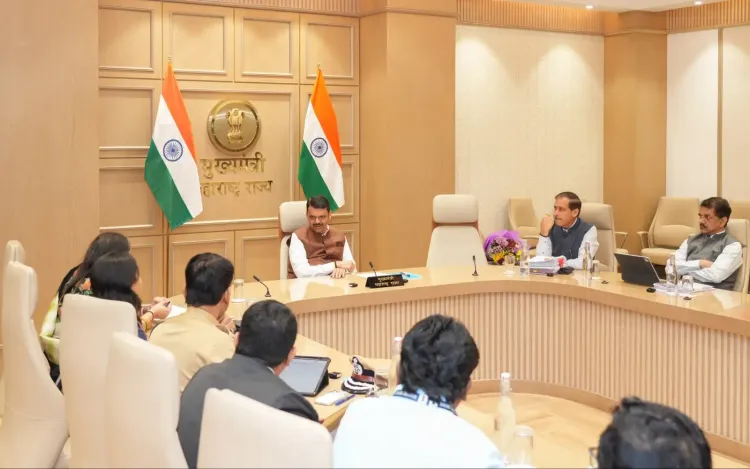
The Maharashtra government on 23 November constituted a 13-member committee to prepare a revival and financial empowerment plan for cooperative sugar mills, whose numbers have declined across the state. Headed by the Sugar Commissioner, the panel has been asked to submit its report and recommendations within two months.
The state Cooperation Department issued a government resolution setting out the exercise. It said financial distress, liquidation proceedings and closures had reduced the number of cooperative mills actively crushing sugarcane to fewer than 100.
Decline in cooperative mills
According to the resolution, Maharashtra had more than 200 operational cooperative sugar mills two decades ago. The government said the decline had taken place over the past 25 years, as mills faced financial difficulties, liquidation and closure.
The source figures indicate that 30 to 32 mills are currently operated by private management under lease or partnership arrangements, while around 75 cooperative factories run independently on their own financial strength. These figures should be read alongside the government's estimate of fewer than 100 actively crushing cooperative mills; the source does not explain how the categories reconcile.
The distinction matters to the review because the government is examining not only whether factories operate, but whether they can sustain themselves financially without relying on private management arrangements.
Debt and financial viability under review
The Cooperation Department and the Maharashtra State Cooperative Development Bank will jointly study a new sustainability model for the sector. The committee will assess each mill's debt burden, crushing capacity, production costs and independent financial viability.
Its remit also covers seasonal cash credit accounts, escrow mechanisms and loan recovery. The panel will recommend policies for a dedicated revival and rehabilitation fund, alongside its wider assessment of the factories' finances.
The resolution said 33 cooperative mills received financial assistance through the National Cooperative Development Corporation (NCDC), backed by state government guarantees, over the past two years. It said their financial health had not yet fully stabilised and that, without the assistance, the number of mills crushing on their own would have fallen further.
Biorefinery options and proposed funding
A central part of the exercise is to examine whether mills can reduce their dependence on sugar production through an integrated biorefinery model. The committee will study the feasibility of 10 value-added byproducts and activities.
The options listed include ethanol, compressed biogas, power co-generation, solar energy, green hydrogen, sustainable aviation fuel and biochemicals. The source does not identify all 10 options.
For diversification projects, the panel will assess a proposed funding structure under which the Centre would contribute 20%, the state government 10% and the sugar mills themselves 70%. The arrangement is a proposal for assessment, not an announced funding commitment.
Report due within two months
The committee's recommendations will bring together its findings on mill-level finances, credit and recovery mechanisms, as well as the proposed diversification model. Its review follows state-backed assistance to some mills that, according to the resolution, has not yet fully stabilised their finances.
The panel has two months to submit its detailed report to the government; the resolution does not specify what action will follow its submission.
Frequently Asked Questions
What has Maharashtra announced for cooperative sugar mills?
Maharashtra has formed a 13-member committee to prepare a revival and financial empowerment plan for cooperative sugar mills. The Sugar Commissioner heads the panel.
Why does the Maharashtra sugar mills committee matter?
The committee will examine financial distress and other problems affecting a sector whose number of active cooperative mills has declined. The government resolution says fewer than 100 cooperative mills are actively crushing.
When will the sugar mills committee submit its report?
The committee has been directed to submit its detailed report and recommendations within two months. The source does not specify what action will follow.
What financial issues will the panel examine?
The panel will assess each mill's debt, crushing capacity, production costs and independent financial viability. It will also recommend policies on credit accounts, escrow mechanisms, loan recovery and a revival fund.
How would diversification projects at sugar mills be funded?
The committee will assess a proposal for the Centre to contribute 20%, the state 10% and sugar mills 70%. The source does not say that the proposed funding structure has been approved.