Commerce Minister Goyal Visits Makaibari Tea Estate
Synopsis
After visiting Makaibari in Darjeeling district, Commerce Minister Piyush Goyal highlighted its historic factory and called for better opportunities for tea workers, value addition and new global markets. He announced no specific new scheme in his post.
Key Takeaways
Commerce Minister Piyush Goyal shared an account of his visit to Makaibari on 23 November 2026 .
The estate in Darjeeling district was established in 1852 .
Goyal said many original machines at the historic factory still run.
He highlighted opportunities for growers and workers, innovation, value addition and new global markets.
Darjeeling tea received Geographical Indication registration in 2004 .
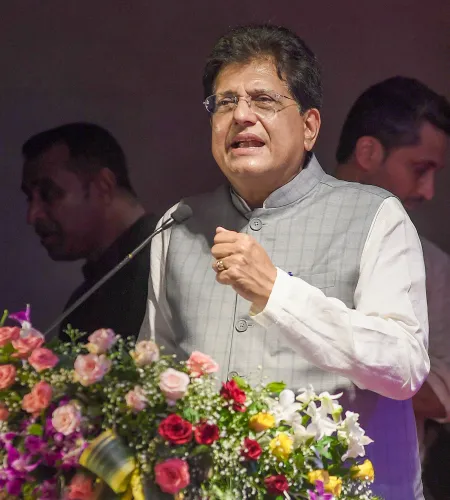
Union Commerce and Industry Minister Piyush Goyal has put tea workers and global markets at the centre of his vision for the sector after visiting the historic Makaibari estate in Darjeeling district, West Bengal. In an X post on 23 November 2026, he described a factory where old machines still run and called for better grassroots opportunities, innovation and value addition.
Makaibari's old machines and tea workers
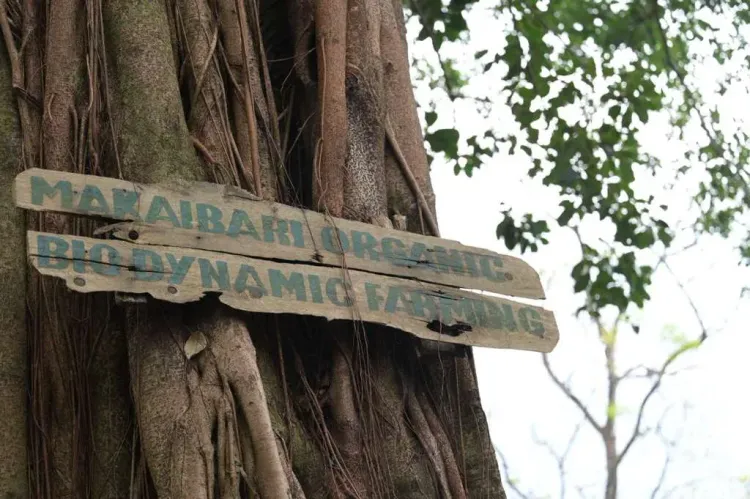
Established in 1852, Makaibari is among the world's oldest tea estates and is known for organic production. Goyal said its factory was among the world's first built using wood, bamboo and cast iron, and that many of its original machines remain in use.
He described the factory as 'a piece of living history' and put growers and workers 'at the heart of it all'. The minister did not announce a specific new scheme or export incentive in the post.
Darjeeling tea's identity and global market
The visit brings together two features of the region's tea economy: a long-established production tradition and a premium product sold beyond India. Darjeeling tea received Geographical Indication registration in 2004, protecting an identity tied to its place of origin.
The Tea Board of India, constituted in 1953 under the Tea Act, regulates production, promotes exports and supports growers through development schemes. Goyal named new global markets and value addition among the priorities for strengthening the sector, alongside better opportunities for people at the grassroots.
The next question is whether those priorities translate into concrete measures for the growers and workers he singled out.
Point of View
While geographical indication protection gives Darjeeling tea a distinct identity. The post sets out priorities rather than a new policy measure, making any subsequent ministry announcement important to assessing how they will be pursued.
NationPress
23 Nov 2026
Frequently Asked Questions
What did Piyush Goyal say about Makaibari tea estate?
Goyal praised its historic factory and said many original machines still run. He also highlighted tea growers and workers and called for better grassroots opportunities and new global markets.
Where is Makaibari tea estate?
Makaibari tea estate is in Darjeeling district, West Bengal. It was established in 1852.
Did Piyush Goyal announce a new tea scheme?
No specific new scheme or export incentive was announced in his post. He listed innovation, value addition, grassroots opportunities and new markets as priorities.
When did Darjeeling tea get GI registration?
Darjeeling tea received Geographical Indication registration in 2004. The registration protects its identity linked to its place of origin.
What does the Tea Board of India do?
The Tea Board regulates production, promotes exports and supports growers through development schemes. It was constituted in 1953 under the Tea Act.