Maharashtra Leads Nation in Suposhit Gram Panchayat Initiative

Synopsis
Maharashtra has made a remarkable achievement in nutrition with 192 Gram Panchayats ranking among the top 1,000 in India’s Suposhit Gram Panchayat Abhiyaan, showcasing the state's commitment to improving grassroots nutrition.
Key Takeaways
Maharashtra has 192 Gram Panchayats in the top 1,000 nationwide.
The program aims to combat malnutrition and enhance health outcomes.
Collaboration among various stakeholders is crucial for success.
Innovative practices like nutri-gardens are being implemented.
This achievement sets a national benchmark for nutrition initiatives.
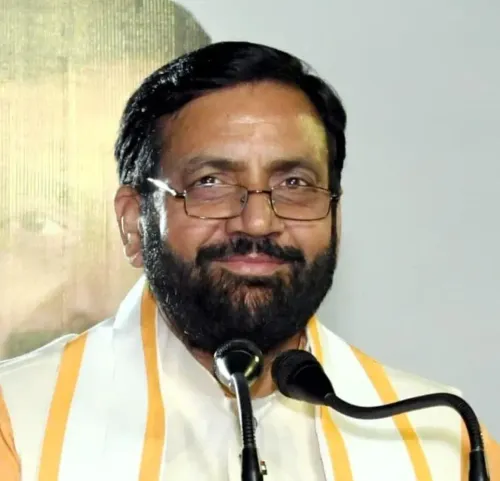
Mumbai, February 25 (NationPress) Aditi Tatkare, the Minister of Women and Child Welfare in Maharashtra, announced on Wednesday that a remarkable number of 192 Gram Panchayats from the state have achieved spots among the top 1,000 performing Gram Panchayats in India, marking the highest representation of any state in the 'Suposhit Gram Panchayat Abhiyaan'.
This achievement underscores the state’s unwavering dedication to enhancing nutritional outcomes at the community level, as stated by the minister.
The Suposhit Gram Panchayat Abhiyaan is a nationwide initiative designed to elevate nutritional standards by uniting the efforts of Integrated Child Development Services (ICDS), health departments, local self-governments, and community stakeholders. The program aims to tackle malnutrition, improve maternal and child health, bolster Anganwadi services, and ensure effective delivery of nutrition interventions, according to Minister Tatkare.
“The success of Maharashtra can be attributed to coordinated actions, effective monitoring systems, community involvement, and the dedicated work of ICDS officers, supervisors, Anganwadi workers, and frontline personnel across various districts. Targeted efforts under the POSHAN Abhiyaan, enhanced growth monitoring, behavioral change communication, and outreach to vulnerable groups have been crucial in achieving these results,” Minister Tatkare highlighted.
She extended her congratulations to all officers and field staff for their relentless work and emphasized the government’s commitment to fostering a ‘Suposhit Maharashtra’ through continuous policy support, innovation, and accountability.
“This accomplishment not only establishes a national standard but also serves as a significant incentive to further enhance nutrition-focused initiatives throughout the state,” she noted.
According to department sources, the Suposhit Gram Panchayat Abhiyaan acts as a dynamic catalyst for transformation, motivating communities to adopt sustainable practices and innovative strategies in their battle against malnutrition. It emphasizes improving nutritional outcomes through methods like incorporating millets in Hot Cooked Meals (HCM) and Take Home Ration (THR), establishing Poshan Vatikas (nutri-gardens) in Anganwadi Centres (AWCs), utilizing local produce for preparing HCM for beneficiaries, and promoting dietary diversity. Moreover, effective practices from Anganwadi Centres are routinely documented and shared for broader implementation.
Point of View
Maharashtra's achievement in the Suposhit Gram Panchayat Abhiyaan showcases significant strides in community health and nutrition. This initiative underscores the importance of collaborative efforts between government bodies and local communities in addressing malnutrition and enhancing health outcomes.
NationPress
20 Sept 2026
Frequently Asked Questions
What is the Suposhit Gram Panchayat Abhiyaan?
The Suposhit Gram Panchayat Abhiyaan is a national program aimed at improving nutritional outcomes by coordinating efforts of various government services, health departments, and local bodies.
How many Gram Panchayats from Maharashtra ranked in the top 1,000?
A total of 192 Gram Panchayats from Maharashtra have secured positions among the top 1,000 performing Gram Panchayats in the country.
What are the goals of the Suposhit Gram Panchayat Abhiyaan?
The goals include reducing malnutrition, improving maternal and child health, strengthening Anganwadi services, and ensuring effective delivery of nutrition interventions.
Who is responsible for the success of this initiative?
The success is attributed to coordinated actions, community participation, and the dedicated efforts of ICDS officers, supervisors, and frontline workers.
What practices are encouraged under this initiative?
The initiative encourages the use of millets, development of nutri-gardens, dietary diversity, and the documentation of best practices for broader implementation.