What Did the Maha Cabinet Approve for Karmayogi 2.0 and Sarpanch Samvad?
Synopsis
Discover the transformative initiatives approved by the Maharashtra Cabinet to bolster rural development and empower local leaders. With the Karmayogi 2.0 and Sarpanch Samvad Programs, Maharashtra is set to enhance skills and improve government services. Read on to find out how these initiatives will shape the future of rural governance in the state.
Key Takeaways
Maharashtra Cabinet launches Karmayogi 2.0 and Sarpanch Samvad Programs.
Training for 85,000 officials to enhance skills and boost local economies.
Focus on improving Government-to-Business services.
Job security for 291 bonded Health Assistants through regularization.
Statue for Lokshahir Annabhau Sathe to honor cultural legacy.
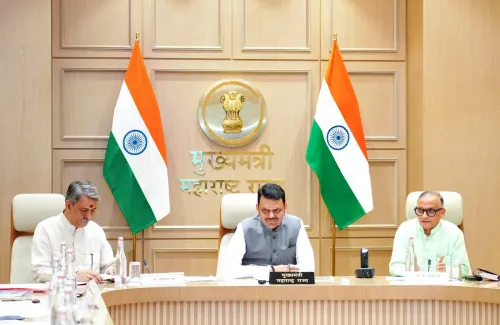
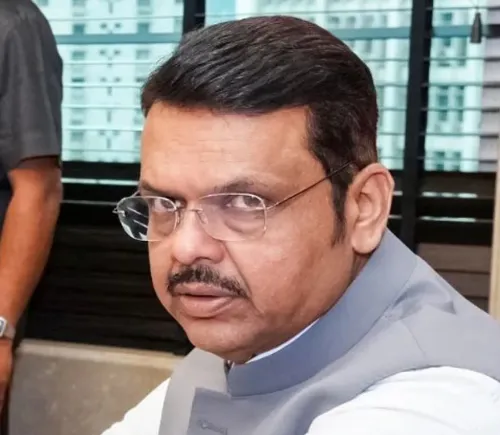
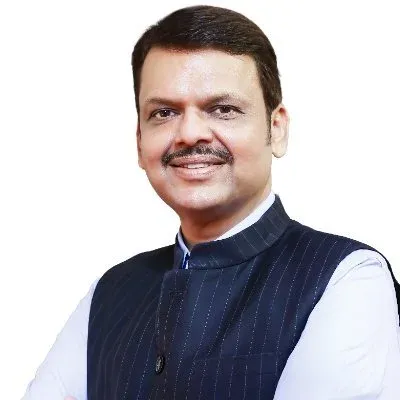
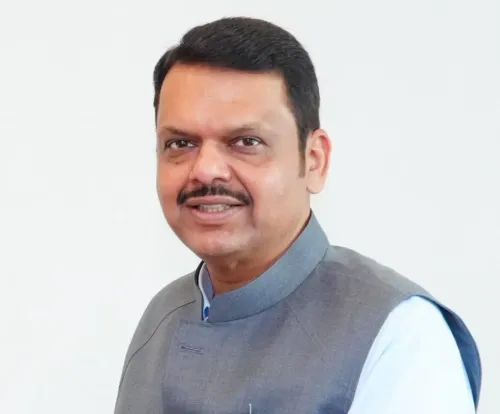
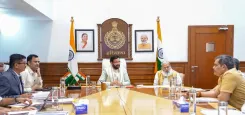
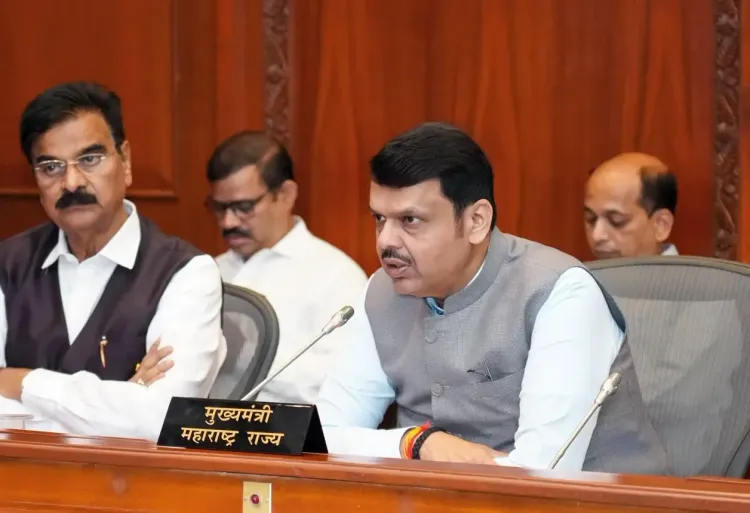
Mumbai, Dec 24 (NationPress) In a significant move to enhance the execution of development initiatives across villages, talukas, and districts, the Maharashtra Cabinet, under the leadership of Chief Minister Devendra Fadnavis, has sanctioned the introduction of the Zilla Karmayogi Program 2.0 and the Sarpanch Samvad Program.
These programs will be implemented through the MITRA institution. Aiming to train around 85,000 officers and personnel, this initiative will cover a diverse range of roles, from ground-level workers to district officials, such as Agriculture Officers, Gram Sevaks, Talathis, Engineers, and Health Workers.
The primary goal is to enhance skills that will contribute to increasing the district GDP by bolstering MSMEs and Farmer-Producer Organisations (FPOs). The program also seeks to improve Government-to-Business (G2B) services and foster better coordination among departments.
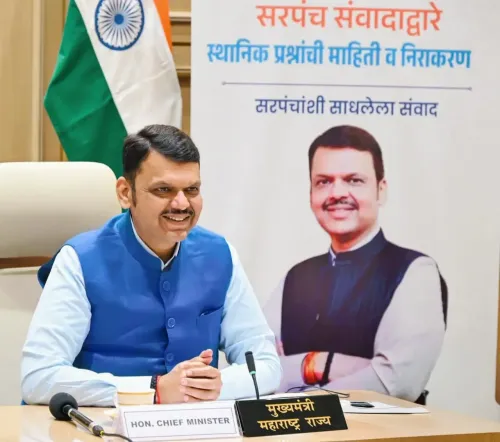
Training for 20,000 Sarpanches will occur through a tripartite agreement involving the Quality Council of India (QCI), MITRA, and the VSTF Foundation, as stated in the government release.
This training encompasses areas such as financial autonomy, effective implementation of government schemes, strategic long-term planning for Gram Panchayats, and empowering women members through e-learning, webinars, and workshops, according to the government release.
Moreover, the state cabinet has authorized Divisional Commissioners to regularize the appointments of 291 bonded Health Assistants (Female) who are either currently serving or have retired under District Councils (Zilla Parishads).
These assistants were initially hired for a two-year term from government nursing colleges. Although Divisional Commissioners previously had the authority to grant temporary extensions based on local demand, this power was withdrawn in 2018.
The recent decision reinstates the Divisional Commissioners' ability to regularize the services of individuals appointed before April 15, 2015, thereby ensuring job security and administrative clarity for these health professionals.
In addition, the cabinet has approved the allocation of one acre of land to the Dharashiv Municipal Council for the erection of a statue honoring the renowned literary and social reformer, Lokshahir Annabhau Sathe.
This land is part of the Dairy Development Department (Government Milk Cooling Centre) located at Survey No. 426 in Dharashiv. In response to requests from public representatives and various organizations, the cabinet agreed to provide this land at no cost for the memorial.
The cabinet also resolved to issue an ordinance to amend the Maharashtra Municipal Councils, Nagar Panchayats and Industrial Townships Act, 1965. This amendment is centered around the powers of directly elected Presidents.
“A person directly elected as the President can now concurrently hold the position of a Member (if elected to both). The President will now possess the right to vote as a member during proceedings. In the event of a tie, the President will have an additional right to a casting vote (decisive vote). As the President is directly elected by the people, this reform ensures they have a formal voice and voting rights within the council's decision-making process,” the release stated.
Point of View
It's imperative to recognize the significant strides being made by the Maharashtra government through the Karmayogi 2.0 and Sarpanch Samvad initiatives. These programs not only aim to elevate the skill levels of local leaders but also promise to foster economic growth and improve public service delivery, marking a progressive step in rural governance.
NationPress
10 Oct 2026
Frequently Asked Questions
What is Karmayogi 2.0?
Karmayogi 2.0 is a program launched by the Maharashtra Cabinet aimed at training over 85,000 officials and enhancing skills to boost local economies and improve government services.
Who will benefit from the Sarpanch Samvad Program?
The Sarpanch Samvad Program will train around 20,000 Sarpanches, empowering them to implement government schemes effectively and plan for their Gram Panchayats.
What changes were made regarding Health Assistants in Maharashtra?
The Maharashtra Cabinet has authorized Divisional Commissioners to regularize the appointments of 291 bonded Health Assistants, ensuring job security for these workers.
What is the significance of the land allotment for Lokshahir Annabhau Sathe?
The land allotment is intended for the installation of a statue honoring Lokshahir Annabhau Sathe, a revered figure in literature and social reform, showcasing the state's commitment to cultural recognition.
What amendments were made to the Maharashtra Municipal Councils Act?
The amendments allow directly elected Presidents to hold simultaneous member positions and possess voting rights, enhancing their role in council decision-making.