Mahua Moitra Accuses Delhi Police of Lying Over Protest Crackdown
Synopsis
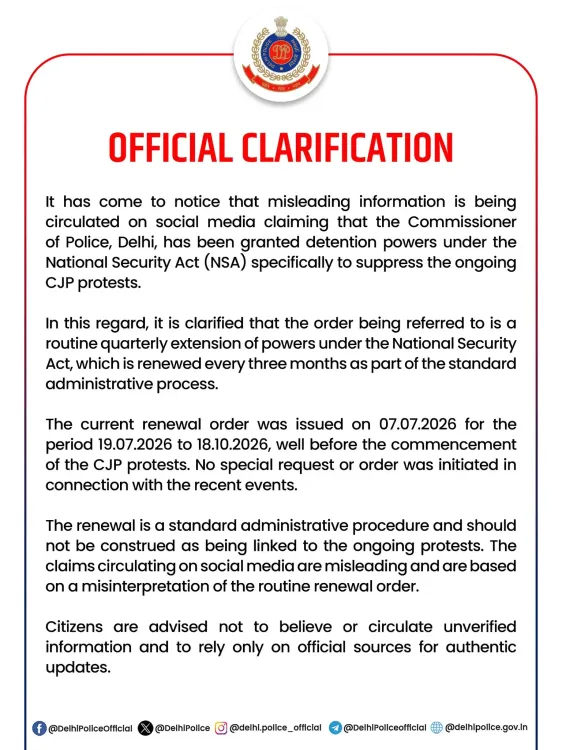
TMC MP Mahua Moitra on 23 July 2026 accused Delhi Police of fabricating claims of protester violence and alleged a recent police notification was deliberately timed to suppress demonstrations and intimidate families of those who protested.
Key Takeaways
Mahua Moitra , TMC Lok Sabha MP from Krishnanagar , publicly accused Delhi Police of lying about protester violence on 23 July 2026 .
She alleged a specific police notification was timed deliberately to 'crush protests and scare parents of protestors.' Delhi Police operates under the Union Ministry of Home Affairs , a structural point opposition parties cite in allegations of partisan policing.
Similar accusations were made during the CAA-NRC protests (2019–2020) and the farmers' agitation (2020–2021) .
Possible responses include court petitions challenging the notification and parliamentary questions in the next session.
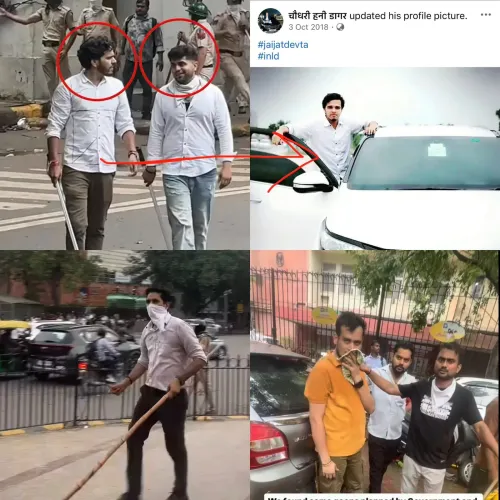
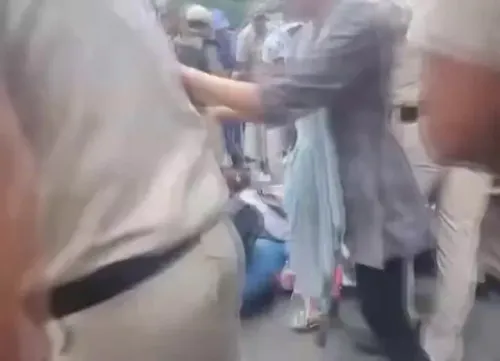
TMC MP Mahua Moitra on Thursday, 23 July 2026, publicly accused Delhi Police of fabricating claims that protesters were violent and had attacked officers, alleging that a recent police notification was deliberately timed to suppress demonstrations and intimidate the families of those who participated.
Context
In her post on X, Moitra addressed Delhi Police directly, writing: 'Nobody believes you — you lie and claim protestors were violent and attacked your officers. This notification is deliberately timed to allow you to crush protests and scare parents of protestors.' The remarks point to a specific notification issued by the force, though the exact order has not been independently confirmed.
Moitra, a Lok Sabha MP from Krishnanagar, West Bengal, is known for sharp criticism of central government agencies. Her post, which included an image, drew attention to what she characterised as a coordinated effort to deter public dissent in the national capital.
Policy Backdrop
Delhi Police functions under the Union Ministry of Home Affairs, a structural arrangement that opposition parties have long argued gives the central government direct leverage over law and order in the capital — and, by extension, over protests targeting Union policies.
This is not the first time such allegations have surfaced. During the 2019–2020 CAA-NRC protests and the 2020–2021 farmers' agitation, opposition leaders made similar accusations — that notifications, Section 144 orders, and claims of protester violence were deployed as tools to delegitimise and disperse demonstrations rather than to maintain genuine public order.
Stakeholders and Impact
The most immediate concern, as Moitra frames it, is for parents of protesters — suggesting the notification carries punitive or intimidatory implications for families, not just participants. Civil liberties advocates have previously noted that such communications can have a chilling effect on the right to peaceful assembly guaranteed under Article 19 of the Constitution.
TMC and other opposition parties have consistently framed Delhi Police's conduct during protests as evidence of centre-state friction and partisan policing. The broader pattern fits a long-running political dispute over who controls public order in New Delhi and how that control is exercised against dissent.
What's Next
Legal observers suggest that affected protesters or civil society groups may approach courts challenging the notification on grounds of disproportionality or procedural irregularity. The issue could also be raised in the next parliamentary session, where opposition MPs have previously used Question Hour and Zero Hour to press the Home Ministry on Delhi Police conduct.
Whether the specific notification is subjected to judicial scrutiny will likely determine how far the controversy escalates — and whether it becomes a flashpoint in the ongoing debate over police accountability in the capital.
Point of View
Which is a harder claim to dismiss and a harder one to prove. If court petitions follow, the judiciary may be forced to weigh in on the boundaries of permissible police notification powers — a ruling that could have implications well beyond this episode. The episode also signals that protest politics in the capital remain a live fault line heading into the next parliamentary session.
NationPress
24 Jul 2026
Frequently Asked Questions
Why did Mahua Moitra criticise Delhi Police on 23 July 2026?
Mahua Moitra accused Delhi Police of falsely claiming that protesters were violent and of issuing a notification timed deliberately to suppress demonstrations and frighten the families of protesters.
Who controls Delhi Police?
Delhi Police operates under the Union Ministry of Home Affairs, not the Delhi state government — an arrangement that opposition parties argue gives the central government direct control over policing of protests in the capital.
Has Delhi Police faced similar accusations before?
Yes. During the CAA-NRC protests in 2019–2020 and the farmers' agitation in 2020–2021, opposition leaders made comparable allegations that police notifications and force were used to delegitimise peaceful demonstrations.
What could happen next after Moitra's accusation?
Legal experts suggest affected protesters or civil society groups may file court petitions challenging the notification, and opposition MPs may raise the matter in the next parliamentary session through Question Hour or Zero Hour.
What right is at stake in this controversy?
The right to peaceful assembly and protest is protected under Article 19 of the Indian Constitution; critics argue that police notifications with intimidatory effect on families can amount to an unconstitutional chilling of that right.