Mahua Moitra Alleges Internet Blackout, Police Brutality Cover-Up in Central Delhi
Synopsis
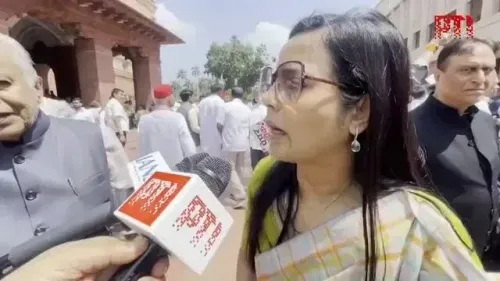
TMC MP Mahua Moitra alleged on July 23, 2026, that an internet blackout hit Central Delhi and that the government was pressuring platforms to erase evidence of police brutality at protests. She urged tech experts to find and share circumvention methods.
Key Takeaways
TMC MP Mahua Moitra alleged an internet blackout in Central Delhi on July 23, 2026 .
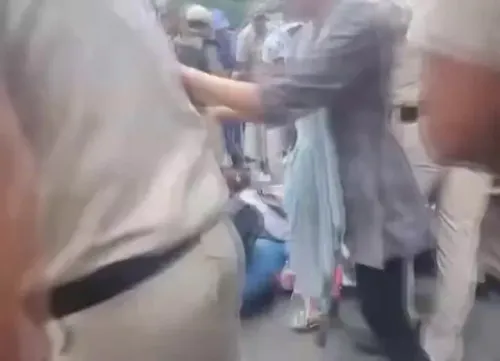
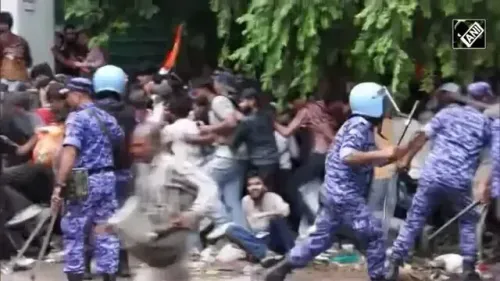
She accused the government of pressuring social media platforms to delete photos, videos, and evidence of alleged police brutality against protesters.
Moitra publicly appealed to tech experts to find and share methods to circumvent the reported restrictions.
The Supreme Court in Anuradha Bhasin v.
Union of India (2020) held that indefinite internet shutdowns violate fundamental rights.
India has a documented history of internet suspensions during protests, including during anti-CAA demonstrations in December 2019 .
The IT Rules, 2021 allow the government to direct platforms to remove content deemed unlawful, creating a contested legal landscape for content moderation during civil unrest.
TMC MP Mahua Moitra on Thursday, July 23, 2026, alleged an internet blackout in Central Delhi and accused the government of pressuring social media platforms to remove photos, videos, and other evidence of alleged police brutality against protesters. She also called on tech-savvy citizens to find and share workarounds to circumvent the reported restrictions.
Context
Moitra posted on X that the government was 'desperately bullying content platforms to delete photos/videos/evidence of police brutality on protestors as well as stop any coverage of protests.' She directly appealed to the tech community — 'all techies' — to help identify ways around the reported blackout and circulate those methods. The post carried no attached media.
Central Delhi is the nerve centre of the Indian capital, home to Parliament, key government ministries, and a frequent site of political demonstrations. Connectivity disruptions in this zone, if confirmed, would affect journalists, diplomats, and ordinary citizens alike.
Policy Backdrop
India has a documented history of internet suspensions during periods of civil unrest. Following the revocation of Article 370 in 2019, Jammu and Kashmir experienced one of the country's longest shutdowns, lasting over five months. During the anti-CAA protests in December 2019, internet services were suspended in parts of Delhi and several other cities.
The Information Technology (Intermediary Guidelines and Digital Media Ethics Code) Rules, 2021 grant the government authority to direct platforms to remove content deemed unlawful. In the landmark Anuradha Bhasin v. Union of India (2020) ruling, the Supreme Court held that indefinite internet shutdowns violate fundamental rights, though temporary suspensions under prescribed procedures remain legally contested.
Delhi Police, which reports to the central government rather than the Delhi state administration, is the primary law enforcement body responsible for managing protests in the capital. Allegations of excessive force by Delhi Police during demonstrations have been raised by opposition figures on multiple prior occasions.
Stakeholders and Impact
Protesters on the ground in Central Delhi would be directly affected by any connectivity blackout, limiting their ability to document events and communicate. Journalists covering the protests would face similar constraints, raising concerns about press freedom and the public's right to information.
Social media platforms operating in India — already navigating compliance obligations under the IT Rules, 2021 — would face pressure from two directions: government takedown orders on one side and public-interest arguments for transparency on the other. Tech experts and digital-rights advocates have in past instances published virtual private network (VPN) guides and mirror links to help users bypass such restrictions.
What's Next
The reported measures could face legal challenge under the Anuradha Bhasin precedent if internet restrictions are confirmed and prolonged. Parliamentary committees on information technology and communications may also be moved to examine the legality of any content-removal orders issued to platforms.
Moitra, known for her sharp critiques of central government policy on civil liberties and digital governance, is likely to raise the matter in Parliament. Whether opposition parties coalesce around a formal privilege motion or adjournment notice will be a key indicator of how the political fallout develops in the coming days.
Point of View
A tactic that has gained traction globally during connectivity crackdowns. If the allegations of platform pressure are substantiated, they would test the limits of the IT Rules, 2021, and potentially revive judicial scrutiny under the Anuradha Bhasin framework. The episode also underscores the deepening tension between digital governance imperatives and constitutional guarantees of free expression and press freedom in India.
NationPress
24 Jul 2026
Frequently Asked Questions
What did Mahua Moitra say about the Delhi internet blackout?
Mahua Moitra alleged on July 23, 2026, that there was an internet blackout in Central Delhi and that the government was pressuring content platforms to delete videos and photos showing alleged police brutality against protesters. She urged tech experts to share ways to bypass the restrictions.
Is an internet shutdown in Delhi legal?
The Supreme Court, in its 2020 Anuradha Bhasin v. Union of India ruling, held that indefinite internet shutdowns violate fundamental rights. Temporary suspensions following prescribed legal procedures remain contested but have been used in the past during protests and security situations.
Can the Indian government force social media platforms to delete protest videos?
Under the IT (Intermediary Guidelines and Digital Media Ethics Code) Rules, 2021, the government can direct platforms to remove content deemed unlawful. Platforms that comply are granted safe-harbour protection; those that do not risk losing that protection and face potential legal liability.
Who controls Delhi Police?
Delhi Police reports to the central government — specifically the Union Ministry of Home Affairs — rather than the elected Delhi state government, which has been a long-standing point of political contention.
Has India shut down the internet during protests before?
Yes. Internet services were suspended in parts of Delhi and other cities during the anti-CAA protests in December 2019. Jammu and Kashmir experienced a shutdown of over five months following the revocation of Article 370 in August 2019.