PM Modi's anti-paper leak Bill to hit Parliament next week after Cabinet nod
Synopsis
For the first time, India is moving toward a dedicated anti-paper leak law — with fast-track courts, stringent penalties, and institutional accountability. Modi's announcement on 24 July signals a shift from ad hoc arrests to structural deterrence, targeting the organised networks that have repeatedly compromised high-stakes examinations for millions of aspirants.
Key Takeaways
PM Narendra Modi announced a comprehensive anti-paper leak Bill on Thursday, 24 July .
The Union Cabinet is set to deliberate on the draft on Friday, 25 July .
The Bill proposes fast-track special courts , stringent punishments , and stronger institutional accountability for exam malpractice.
Examinations for nearly 22 lakh students were conducted and results declared on 19 July amid the ongoing paper leak controversy.
The Centre has already arrested and imprisoned several individuals over paper leaks in the past two-and-a-half months .
Parliament is expected to take up the Bill as early as the second week of the ongoing session .
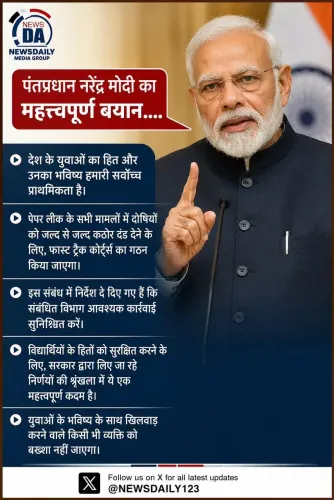
Prime Minister Narendra Modi on Thursday, 24 July announced that the Centre has drafted a comprehensive legislation to introduce harsher punishments and faster trials for paper leak offences, with the Union Cabinet set to clear the proposal on Friday and Parliament expected to take it up as early as the second week of the ongoing session.
What the Proposed Bill Contains
According to sources, the draft legislation will mandate fast-track special courts for time-bound trials of examination malpractice cases. It will also prescribe stringent penalties for individuals and institutions found complicit in paper leaks, along with stronger accountability frameworks to prevent recurrence. The Bill is being positioned as a structural deterrent — not merely a reactive measure — against an offence that has repeatedly disrupted major competitive and recruitment examinations across India.
What the Prime Minister Said
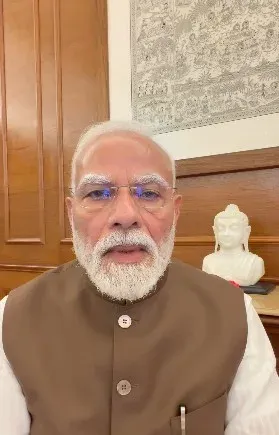
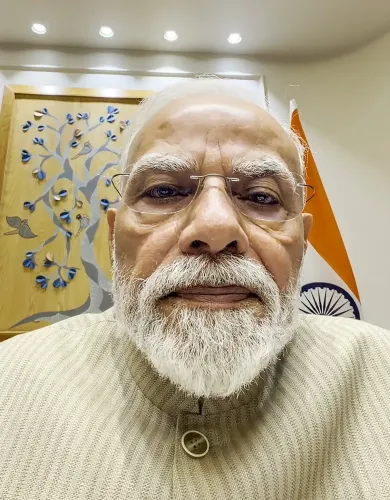
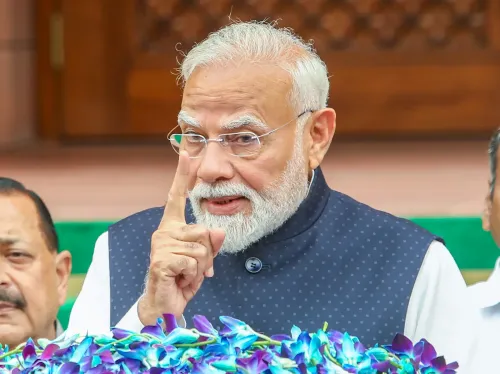
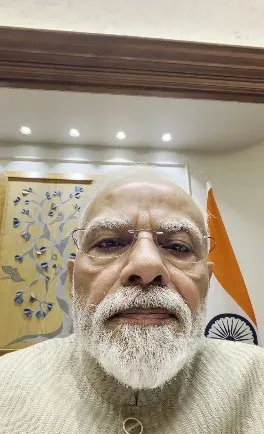
'I am aware that paper leaks cause immense distress to students and their parents,' Modi said in a post on his X account. He added that all government resources were mobilised to conduct examinations without delay for nearly 22 lakh students, with results declared on 19 July — just five days before his announcement. 'The results were declared just five days ago on July 19, and we are receiving news of the joy felt by successful students across the country,' he noted. On the legislative push, Modi said: 'This matter is likely to be discussed in the Cabinet tomorrow, and the proposal will be finalised after incorporating suggestions from Cabinet colleagues.' He further stated: 'As the second week of the Parliamentary session begins on Monday, we will strive to have the Bill passed in the House as quickly as possible.'
Context: A Pattern of Recurring Leaks
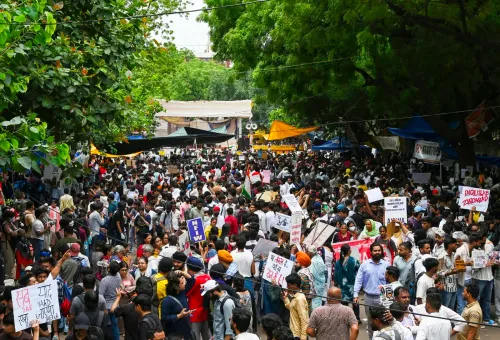
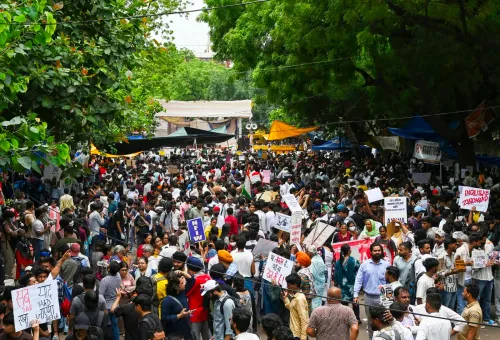
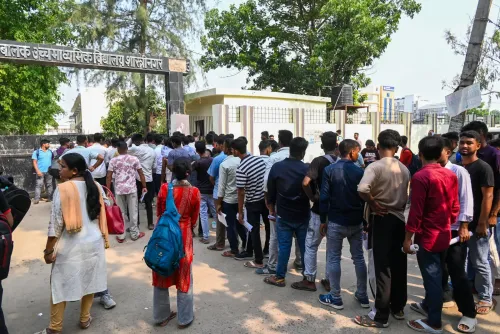
The announcement comes amid growing public outrage over repeated paper leak incidents in high-stakes entrance and recruitment examinations. Over the past two-and-a-half months, the Centre has undertaken multiple enforcement actions, resulting in the arrest and imprisonment of several individuals responsible for previous leaks. Critics, however, argue that arrests alone have failed to deter the organised networks that facilitate such crimes, making legislative reform an overdue necessity. This is the first time the Centre has moved toward a dedicated anti-paper leak law with provisions for fast-track adjudication.
Impact on Students and Examinations
Millions of aspirants who invest years preparing for competitive examinations — from UPSC and SSC to state-level recruitment boards — stand to benefit if the legislation is enacted and enforced effectively. The integrity of these examinations has been under sustained scrutiny, with paper leak allegations surfacing in multiple states. By promising swift parliamentary passage, the Union government is signalling that it views examination security as a governance priority, particularly ahead of a calendar packed with major recruitment drives.
What Happens Next
The Union Cabinet is scheduled to deliberate on the draft Bill on Friday, 25 July, after which the finalised version — incorporating inputs from Cabinet colleagues — will be introduced in Parliament. The government has indicated it will push for passage within the current session. Legal experts and student groups are expected to scrutinise the Bill's provisions on penalty quantum, the scope of institutional liability, and the operational readiness of fast-track courts once the text is tabled.
Point of View
But the real test will be in the fine print. Fast-track courts sound decisive on paper; in practice, India's special court infrastructure has consistently struggled with capacity and vacancies. More critically, paper leak networks are not solo actors — they involve printers, middlemen, and in some cases, insiders within examination bodies. Unless the Bill extends liability clearly up the chain and empowers independent oversight of exam agencies, it risks becoming another headline measure that does not dismantle the underlying ecosystem. The political timing — mid-session, amid public pressure — is visible, but that does not make the legislation wrong. It makes the drafting scrutiny more important.
NationPress
22 Oct 2026
Frequently Asked Questions
What is the anti-paper leak Bill announced by PM Modi?
It is a proposed central legislation to introduce stringent punishments and fast-track special court trials for paper leak offences in competitive and recruitment examinations. The draft was announced by Prime Minister Narendra Modi on 24 July and is set to be cleared by the Union Cabinet on 25 July before being introduced in Parliament.
When will the anti-paper leak Bill be introduced in Parliament?
The government has indicated it will introduce and seek passage of the Bill in the second week of the ongoing Parliamentary session, beginning Monday. The Cabinet is expected to finalise the draft on Friday, 25 July.
What punishments does the proposed Bill include?
According to sources, the Bill will prescribe harsher penalties for individuals and institutions involved in paper leaks, mandate time-bound trials through fast-track special courts, and establish stronger accountability measures. Specific penalty quantum will be known once the Bill is tabled.
Why has the Centre moved to legislate on paper leaks now?
The announcement follows sustained public outrage over recurring leaks in major entrance and recruitment examinations. Over the past two-and-a-half months, the government made multiple arrests, but critics argue that enforcement alone has not deterred organised paper leak networks, necessitating a dedicated legal framework.
How many students were affected by the recent examination disruptions?
According to PM Modi, examinations were conducted for nearly 22 lakh students amid the controversy, with results declared on 19 July — five days before his legislative announcement.