Cabinet clears anti-paper leak bill: 10-yr jail, ₹10 crore fine

Synopsis
The Union Cabinet has cleared amendments to India's anti-paper leak law that would impose up to ₹10 crore in fines and 10 years in prison for organised exam malpractice — ten times the current financial ceiling. With fast-track trials also in the pipeline, the government is signalling zero tolerance just as scrutiny over national examination integrity reaches a peak.
Key Takeaways
The Union Cabinet approved amendments to The Public Examinations (Prevention of Unfair Means) Act, 2024 on 24 July .
Organised paper leaks will now attract up to 10 years' imprisonment and a maximum fine of ₹10 crore — ten times the current limit.
Individual offenders face a minimum five years' imprisonment under the revised provisions.
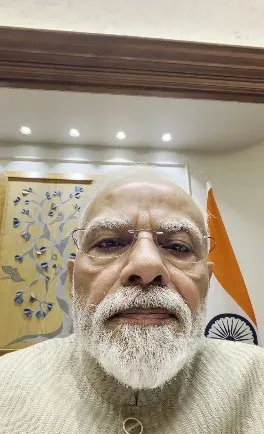
The bill follows Prime Minister Modi's pledge earlier the same day to introduce fast-track courts for examination fraud cases.
Over 2.2 million students appear in the affected national competitive examinations.
Full legislative details, including fast-track trial provisions, are expected when the bill is tabled in Parliament next week .
The Union Cabinet, chaired by Prime Minister Narendra Modi, on Friday, 24 July approved a draft bill proposing sharply enhanced penalties for paper leaks in competitive examinations — including up to 10 years' imprisonment and a maximum fine of ₹10 crore for organised offences. The move came hours after Modi publicly pledged fast-track courts and stiffer deterrents to protect the interests of millions of examination aspirants.
Key Provisions of the Amended Bill
The approved draft proposes amendments to The Public Examinations (Prevention of Unfair Means) Act, 2024. Under the new provisions, individuals found guilty of leaking examination papers will face a minimum five years' imprisonment along with a financial penalty. For organised paper leak networks, the bill prescribes a jail term of up to 10 years and a fine capped at ₹10 crore.
This represents a substantial escalation over the existing law, which currently mandates three to five years' imprisonment for individuals and five to ten years' imprisonment with a minimum fine of ₹1 crore for organised cheating and leak-related crimes. The revised financial penalty ceiling is thus ten times the current maximum.
What Prompted the Move
Official sources described the Cabinet decision as a direct follow-up to Prime Minister Modi's statement earlier on Friday, in which he underscored that the government had conducted examinations for over 2.2 million students and declared results promptly — and would not be complacent about protecting the system's integrity. The announcement arrives against the backdrop of recurring paper leak controversies that have disrupted national-level competitive examinations and caused widespread distress among students and their families.
Notably, this is not the first legislative attempt to address malpractice in public examinations. The 2024 Act itself was enacted in response to earlier incidents, but critics argued its penalties were insufficient to deter well-organised syndicates. The new amendments seek to close that gap by dramatically raising the financial cost of large-scale offences.
Fast-Track Trials on the Horizon
The bill is also expected to incorporate provisions for fast-track trials, though full details are anticipated when the legislation is formally tabled in Parliament next week. According to official sources, the fast-track mechanism is intended to ensure that cases do not languish in courts for years, which has historically blunted the deterrent effect of even stringent laws.
Impact on Students and the Examination System
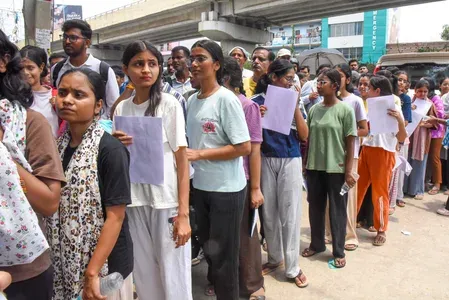
The proposed legislation is aimed at restoring confidence among students and parents in the integrity of national competitive examinations. With over 2.2 million students appearing in such assessments, any systemic compromise carries enormous social and economic consequences — affecting career trajectories, mental health, and public trust in meritocratic processes.
Industry observers and education policy analysts are expected to weigh in once the full text of the bill is made public. The government's stated objective is to make the examination ecosystem robust enough that organised malpractice becomes both legally and financially untenable. All eyes will now be on Parliament next week for the bill's formal introduction and the ensuing legislative debate.
Point of View
And now with amendments that multiply financial penalties tenfold. The pattern reveals a government reacting to recurring crises rather than pre-empting them, which raises a structural question: if the 2024 law was enacted as a deterrent, why did organised paper leaks continue at scale? The real test of the new bill will not be its headline numbers but whether fast-track courts are actually constituted, staffed, and insulated from procedural delay. Stiffer penalties on paper mean little if prosecution timelines stretch into years, as they routinely do. The government must also address the upstream vulnerability — the procurement, printing, and distribution chain for examination papers — or risk legislating around the symptom while the disease persists.
NationPress
23 Oct 2026
Frequently Asked Questions
What does the new anti-paper leak bill propose?
The bill proposes amendments to The Public Examinations (Prevention of Unfair Means) Act, 2024, prescribing up to 10 years' imprisonment and a ₹10 crore maximum fine for organised paper leaks. Individual offenders face a minimum five-year jail term under the revised provisions.
How does the new bill differ from the existing law?
The existing law provides three to five years' imprisonment for individuals and five to ten years with a minimum ₹1 crore fine for organised offences. The amended bill raises the maximum financial penalty to ₹10 crore — ten times the current ceiling — and introduces a minimum five-year term for individual offenders.
Why did the Cabinet approve this bill now?
The Cabinet decision followed Prime Minister Modi's public commitment on the same day — 24 July — to introduce fast-track courts and tougher penalties to protect students. It also comes amid recurring controversies over paper leaks disrupting national competitive examinations.
When will the bill be tabled in Parliament?
According to official sources, the legislation is expected to be introduced in Parliament next week, when full details — including provisions for fast-track trials — will be made public.
Who is affected by paper leaks in competitive examinations?
Over 2.2 million students appear in the national competitive examinations affected by such malpractice. Paper leaks compromise merit-based selection, causing career disruption and significant mental distress for aspirants and their families.