Public Examinations Amendment Bill 2026: Fast-track courts to deliver verdict in 5 months
Synopsis
India's examination system is getting its toughest legal overhaul yet. The 2026 amendment to the public examinations law mandates a five-month deadline from offence to verdict via dedicated fast-track courts, hikes fines to ₹10 crore for organised exam crime, and doubles the debarment period for rogue testing agencies — a direct legislative response to the NEET-UG paper leak crisis that shook public trust in 2024.
Key Takeaways
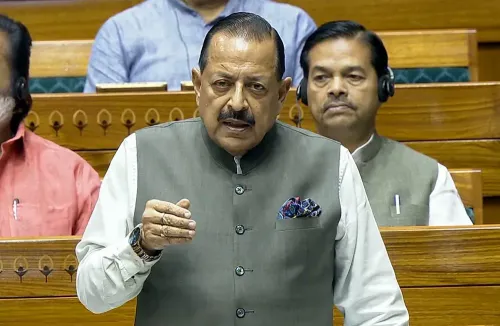
The Public Examinations (Prevention of Unfair Means) Amendment Bill, 2026 was introduced in the Lok Sabha on 28 July by Union Minister Dr Jitendra Singh .
Special fast-track courts under new Section 12A must deliver verdicts within five months — two months for investigation, three for trial.
Maximum penalty for service providers raised from ₹1 crore to ₹5 crore ; debarment period doubled from 4 to 8 years .
Organised examination crime now attracts 7-10 years imprisonment and fines up to ₹10 crore .
Fast-track courts already operational in New Delhi, Mumbai, Kolkata, Madhya Pradesh, Bihar, and Uttarakhand .
A task force led by Nandan Nilekani is working on leak-proof examination reforms; 35 of 46 Radhakrishnan committee recommendations already implemented.
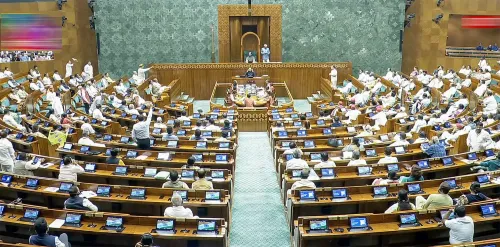
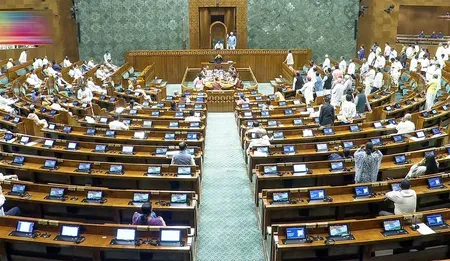
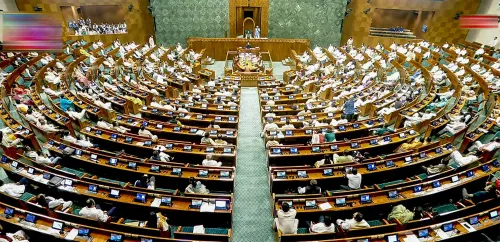
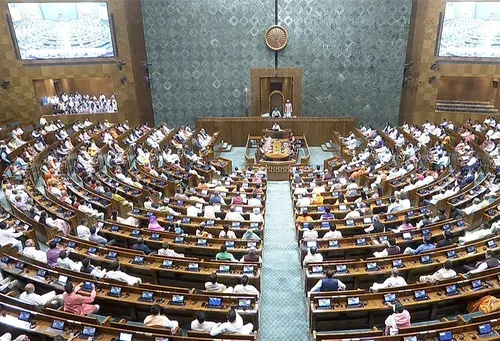
Union Minister Dr Jitendra Singh on Tuesday, 28 July told the Lok Sabha that the Centre was making an 'honest effort' to fortify the examination system, unveiling a sweeping set of amendments that include dedicated fast-track courts mandated to conclude cases within five months of an offence being reported. Singh was opening the debate on the Public Examinations (Prevention of Unfair Means) Amendment Bill, 2026.
Key Provisions of the Amendment Bill
The amendment substantially toughens the original Public Examinations (Prevention of Unfair Means) Act, 2024, which had already made examination offences non-bailable, non-compoundable, and cognisable. Under the proposed changes, the maximum financial penalty for service providers — any agency, organisation, company, or firm engaged in conducting public examinations — has been raised from ₹1 crore to ₹5 crore. The debarment period for such entities has also been doubled from four years to eight years.
For directors and senior management of guilty organisations, the minimum imprisonment term has been raised from three years to five years, while the maximum sentence of ten years is retained. The maximum fine for this category has similarly been increased from ₹1 crore to ₹5 crore.
Crackdown on Organised Examination Crime
Addressing the growing menace of examination mafias, Singh said the amendment specifically targets organised criminal networks operating across states. For organised crime involving examination authorities or service providers, the minimum imprisonment has been raised from five years to seven years, with the ceiling remaining at ten years. The maximum fine in such cases has been hiked sharply from ₹1 crore to ₹10 crore.
Notably, Singh refrained from singling out any particular state or political party, acknowledging the problem as widespread. 'It is happening in Punjab; it is happening in Karnataka, whether we name those states or not,' he said, adding that the issue cuts across party lines and affects nearly every state and Union Territory.
Fast-Track Courts and Fixed Timelines
One of the most significant additions is Section 12A, which provides for special fast-track courts dedicated exclusively to examination-related offences. Under the proposed framework, investigations — whether by a central agency, special task force, or police — must be completed within two months. The fast-track trial court then has three months to deliver a verdict, bringing the total window from incident to final decision to five months.
Appeals will be heard by a division bench of a High Court and must be filed within 30 days, subject to justifiable grounds. Singh confirmed that fast-track courts have already been established in New Delhi, Mumbai, Kolkata, Madhya Pradesh, Bihar, and Uttarakhand, with more locations to follow.
Nilekani Task Force and Radhakrishnan Committee
Singh also disclosed that Prime Minister Narendra Modi had constituted a high-level task force led by Infosys co-founder Nandan Nilekani to recommend comprehensive reforms aimed at making the country's examination system 'leak-proof.' Separately, the K. Radhakrishnan committee, constituted on 22 June 2024, had made 46 key recommendations, of which 35 — or 76 per cent — have already been implemented, according to the minister.
What Comes Next
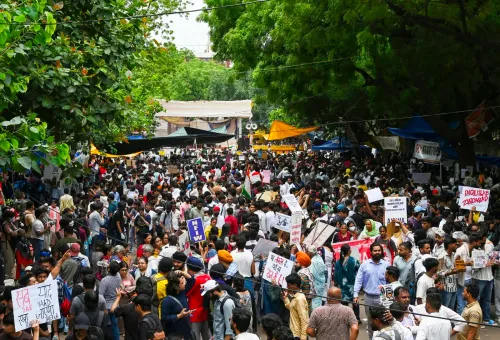
The Bill is currently before the Lok Sabha for debate. If passed, it will amend the 2024 Act and trigger the formal rollout of fast-track courts across remaining states. The government's stated objective is to restore public confidence in competitive examinations — a credibility crisis that escalated sharply following the NEET-UG paper leak controversy of 2024. How swiftly the new courts are operationalised, and whether the five-month timeline holds in practice, will be the real test of legislative intent.
Point of View
And the five-month verdict timeline is the headline promise — but timelines written into law and timelines delivered in court are rarely the same thing. India's fast-track court system has a mixed record: POCSO fast-track courts, for instance, carry massive pendency despite statutory deadlines. The Nilekani task force signals the government understands that legislation alone cannot fix systemic examination insecurity, but the real credibility test will come when the first high-profile exam mafia case either meets or misses the five-month clock. Singh's deliberate cross-party framing — naming Punjab and Karnataka — is politically astute but also accurate: examination malpractice is genuinely a pan-India, pan-party failure that demands structural, not just penal, solutions.
NationPress
27 Oct 2026
Frequently Asked Questions
What is the Public Examinations Amendment Bill 2026?
It is an amendment to the Public Examinations (Prevention of Unfair Means) Act, 2024, introduced in the Lok Sabha on 28 July 2026 by Union Minister Dr Jitendra Singh. The bill proposes stricter penalties, higher fines, and dedicated fast-track courts to resolve examination malpractice cases within five months.
How do the proposed fast-track courts work under the new bill?
Under the new Section 12A, investigations must be completed within two months and the fast-track trial court must deliver a verdict within three months — making the total window from reported offence to final decision five months. Appeals go to a division bench of a High Court and must be filed within 30 days.
What are the new penalties for exam service providers?
The maximum financial penalty for service providers found guilty of malpractice has been raised from ₹1 crore to ₹5 crore, and the period they are barred from conducting public examinations has been doubled from four years to eight years.
What punishment does the bill propose for organised examination crime?
For offences involving an examination mafia or organised criminal network, the bill proposes imprisonment of 7 to 10 years — up from the earlier 5-10 year range — and a maximum fine of ₹10 crore, increased from ₹1 crore.
Who is leading the task force on making examinations leak-proof?
Prime Minister Narendra Modi has constituted a high-level task force led by Infosys co-founder Nandan Nilekani to recommend comprehensive reforms for a leak-proof examination system. Separately, 35 of the 46 recommendations made by the K. Radhakrishnan committee — formed on 22 June 2024 — have already been implemented, according to the government.