Modi intervenes in exam leak crisis, fast-track courts and tougher law approved
Synopsis
Modi's personal intervention in the exam leak crisis went beyond optics — the Union Cabinet has cleared fast-track courts and a tougher law targeting paper leaks, with Parliament set to vote next week. The move exposes the limits of the 2024 Act, which accused individuals reportedly exploited for bail, and sets concrete benchmarks by which the government's sincerity on meritocracy can now be judged.
Key Takeaways
PM Narendra Modi personally intervened on 24 July to resolve the exam paper leak standoff, holding direct dialogue with activist Sonam Wangchuk and student leaders.
The Union Cabinet approved a Bill to establish fast-track courts for examination malpractice cases and introduce harsher penalties for paper leaks.
The proposed legislation is expected to be tabled in Parliament next week for passage.
The existing Public Examinations (Prevention of Unfair Means) Act, 2024 reportedly had loopholes that allowed accused individuals to secure bail and allegedly continue similar activities.
Activist Sonam Wangchuk , 59 , whose fast had entered a critical phase, is an engineer known for work in sustainable education and environmental innovation.
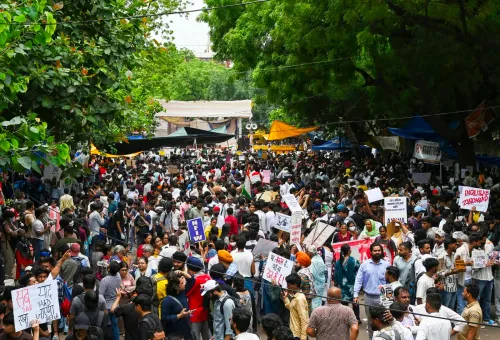
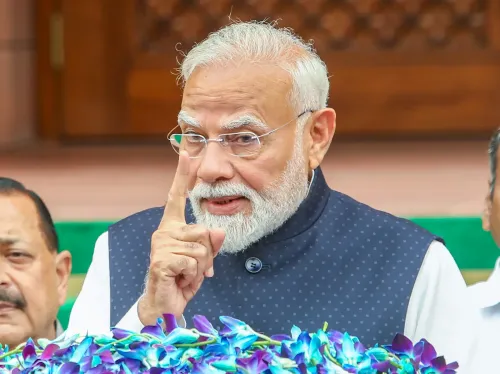
Prime Minister Narendra Modi stepped in personally on 24 July to break the deadlock over India's escalating examination paper leak crisis, opening direct dialogue with fasting activist Sonam Wangchuk and protesting student groups while simultaneously pushing through concrete legislative action. The intervention came as the impasse had deepened over weeks, with Wangchuk's fast entering a critical phase and Opposition pressure mounting in Parliament.
Cabinet Clears Fast-Track Courts and Stricter Law
On Friday, the Union Cabinet approved a Bill and related provisions to establish fast-track courts exclusively for examination malpractice cases, alongside harsher penalties for paper leaks and related offences, according to reports. The proposed legislation is expected to be introduced in Parliament next week for passage into law. The move effectively places the ball in the Opposition's court — parties that had been stalling Parliament proceedings over the very same issue.
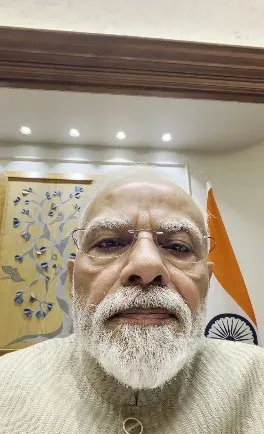
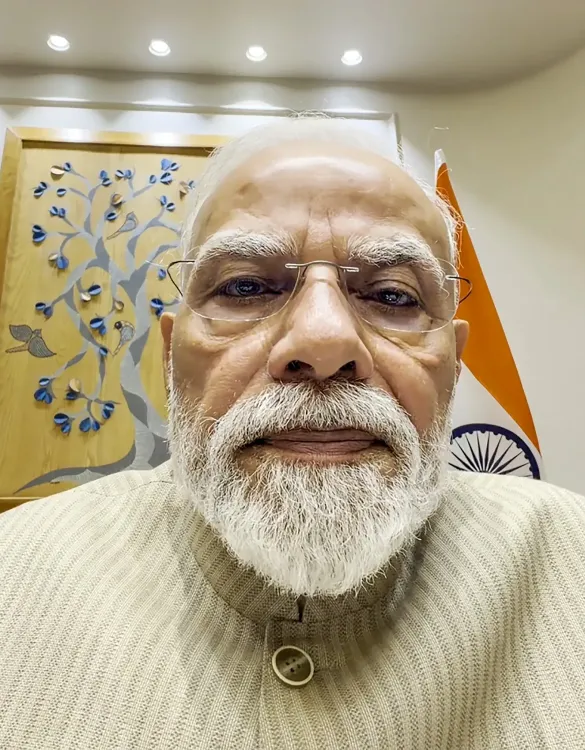
In a video message ahead of the Cabinet decision, Modi had pledged to introduce a strict law to curb exam paper leaks, signalling the government's intent before the formal announcement.
Why the Existing Law Fell Short
The Public Examinations (Prevention of Unfair Means) Act, 2024 was widely hailed at the time of its passage as a landmark measure to protect meritocracy through stringent penalties and centralised enforcement. However, in several high-profile cases that followed, accused individuals reportedly exploited ambiguities in the legislation — securing bail and, in some instances, allegedly resuming similar activities while their cases were still being heard. The proposed amendments are aimed at closing these loopholes, enabling more severe prosecution, further empowering investigative agencies, and improving coordination across state jurisdictions.
The Wangchuk Factor
The government's decision to engage directly with Sonam Wangchuk, the 59-year-old engineer-activist known for his contributions to sustainable education and environmental innovation, was widely noted by political observers. Wangchuk commands credibility across ideological lines, and his fast had drawn broad public concern. By acknowledging the legitimacy of his protest and that of student groups, the government signalled a willingness to negotiate rather than dismiss citizen-led activism — a notable shift in approach.
What the Intervention Signals
Modi's handling of the crisis reflects what analysts describe as a blend of political pragmatism and governance intent. Engaging dissenters directly helps defuse tensions and forestall further escalation, while the push for systemic reform — fast-track courts, tougher penalties, tighter legislation — reinforces the government's broader narrative of accountability and zero tolerance for corruption. Notably, this is not the first time exam scandal pressure has forced a legislative response; the cycle of scandal, outrage, and reform has played out before in India's public examination ecosystem.
What Comes Next
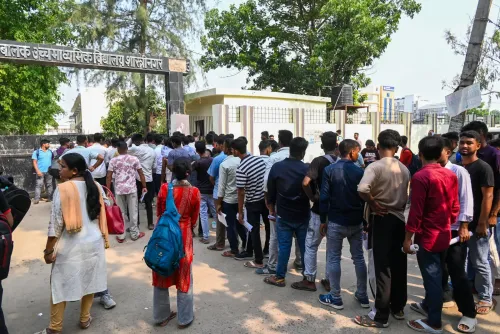
Scepticism persists among student groups and civil society about whether the new measures will be implemented effectively. The creation of fast-track courts and the drafting of a tougher law provide concrete benchmarks against which the government's follow-through can be assessed. If the legislation passes next week and courts are operationalised swiftly, it could set a precedent for how India responds to institutional failures in other high-stakes public systems.
Point of View
But it also implicitly concedes that the 2024 Act — passed with fanfare — was insufficient. The pattern is familiar: a scandal erupts, legislation is rushed through, loopholes emerge, and a second round of reform follows. The real test is not the law on paper but the speed and consistency of prosecution. Fast-track courts are only as effective as the investigative infrastructure feeding them. If state-level coordination remains weak and agencies remain under-resourced, the new legislation risks becoming another headline that does not move the needle on meritocracy.
NationPress
23 Oct 2026
Frequently Asked Questions
What did PM Modi do to resolve the exam paper leak crisis?
PM Modi personally intervened by opening direct dialogue with fasting activist Sonam Wangchuk and protesting student groups, and pushed the Union Cabinet to approve a Bill establishing fast-track courts and harsher penalties for exam paper leaks. The legislation is expected to be introduced in Parliament the following week.
What does the new exam malpractice Bill propose?
The Bill, cleared by the Union Cabinet on Friday, proposes setting up fast-track courts dedicated to examination malpractice cases and introducing stricter punishments for paper leaks and related offences. It also aims to close loopholes in the existing 2024 Act, empower investigative agencies, and improve coordination across state jurisdictions.
Why was the Public Examinations (Prevention of Unfair Means) Act, 2024 considered insufficient?
Despite being hailed as a landmark law, the 2024 Act reportedly contained ambiguities that allowed accused individuals to secure bail and, in some cases, allegedly resume similar activities while their cases were pending. The proposed amendments seek to address these gaps with more severe prosecution provisions.
Who is Sonam Wangchuk and why was he fasting?
Sonam Wangchuk is a 59-year-old engineer-activist known for his work in sustainable education and environmental innovation. He was among those who joined the protest movement against exam paper leaks, and his fast had entered a critical phase before PM Modi's intervention opened a channel for dialogue.
What happens next after the Cabinet approval?
The Bill is expected to be introduced in Parliament the week following the Cabinet's approval, where it must be passed to become law. The move also puts pressure on Opposition parties, who had been stalling Parliament proceedings over the exam leak issue, to engage legislatively rather than through disruption.