Odisha CM Majhi: Nari Shakti needs equal House seats
Synopsis
Odisha CM Mohan Charan Majhi says Nari Shakti must mean reserved seats in Parliament and assemblies, linking the 2023 law to delimitation and Narendra Modi's Viksit Bharat agenda.
Key Takeaways
Odisha Chief Minister Mohan Charan Majhi on 28 November 2026 said Nari Shakti must mean equal representation in Parliament and State Legislatures.
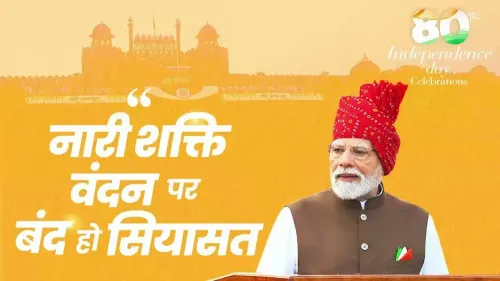
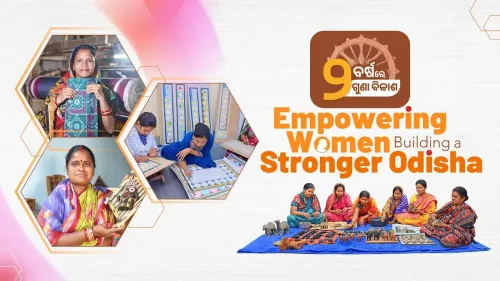
He credited Prime Minister Narendra Modi with placing women-led development at the centre of India's governance agenda.
The Nari Shakti Vandan Adhiniyam (Constitution 106th Amendment Act, 2023) reserves one-third of seats for women but starts only after delimitation.
Seat readjustment remains frozen under the 84th Constitutional Amendment until the first census after 2026 .
Majhi linked the quota to Viksit Bharat , the goal of a developed India by 2047 .
Odisha Chief Minister Mohan Charan Majhi on 28 November 2026 put a hard edge on a familiar slogan: Nari Shakti, he said, is incomplete until women sit in the legislatures that write India's laws. The BJP leader tied Prime Minister Narendra Modi's women-led development agenda to a still-pending one-third reservation in Parliament and State Assemblies — and to the constituency redraw that must come first.
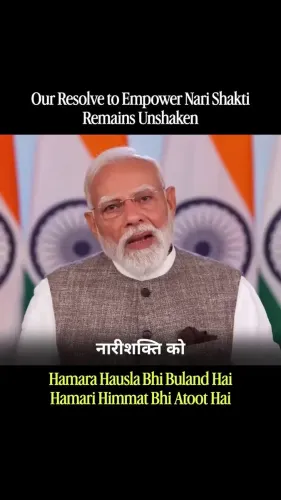
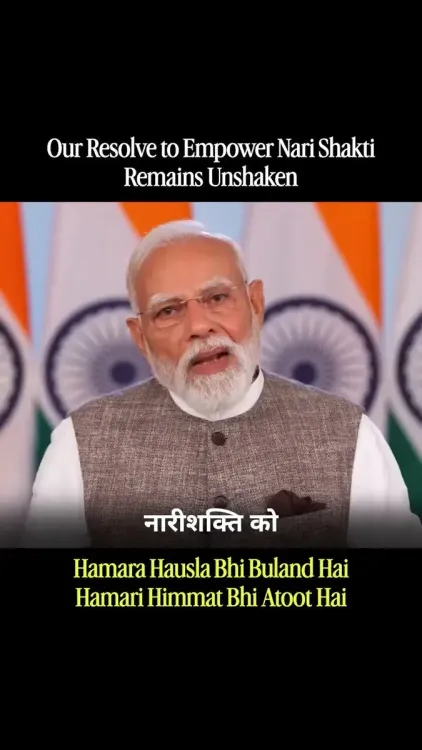
In the post, Majhi wrote that 'The empowerment of Nari Shakti must translate into equal representation in the institutions that shape our nation's future.' Under Modi's leadership, he added, women-led development is taking centre stage in India's governance agenda. 'Ensuring women's rightful place in Parliament and State Legislatures is essential to building a stronger democracy and a Viksit Bharat,' he said, tagging #NariShakti, #WomenReservation, #DelimitationBill and #ViksitBharat.
A 2023 law that cannot start without new maps
Parliament has already written the quota into the Constitution. The Nari Shakti Vandan Adhiniyam — the Constitution (One Hundred and Sixth Amendment) Act, 2023, passed in September 2023 — reserves one-third of seats for women in the Lok Sabha and in every State Assembly. The catch is in the commencement clause: the reservation does not apply until after the next delimitation of constituencies.
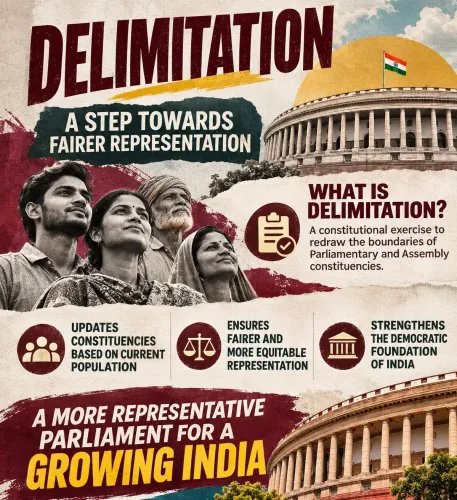
That redraw is not optional paperwork. It is the process that names and numbers every seat. The 84th Constitutional Amendment froze readjustment of Lok Sabha and assembly seats until the first census taken after 2026. Until those new boundaries exist, a one-third women's quota has nowhere precise to land.
Why delimitation and the women's quota travel together
Majhi's hashtags treat reservation and delimitation as one sequence, not two debates. That is the line New Delhi has held since 2023: pass the gender guarantee first, then wait for the census-to-commission pipeline to assign the seats. Other BJP-led state governments have made similar statements of support for the amendment.
The post does not announce a new Odisha law or a notified delimitation commission. It restates a national timeline. Census operations after 2026, and any later delimitation notifications, are what will actually switch the 2023 Act on.
Viksit Bharat's missing one-third
Viksit Bharat is the government's frame for a developed India by 2047. Inclusive governance and women's empowerment sit inside that frame. Majhi's argument is blunt: a development story that leaves women under-represented in the Houses that pass the laws is a weaker democracy, not a finished one.
The number is not a metaphor. It is one-third of the benches, already enacted, still waiting on a map. Until the first census after 2026 is counted and a delimitation commission draws the new constituencies, Nari Shakti's constitutional share remains a promise — and leaders like Majhi are keeping that clock in public view.
Point of View
Then wait for delimitation after the next census to make it real. Pairing Nari Shakti with a delimitation hashtag keeps the unfinished 106th Amendment in the political foreground while the freeze keyed to 2026 remains in force. The broader play is to brand women-led development as a Viksit Bharat governance project, with BJP chief ministers as state-level amplifiers. The test ahead is administrative, not rhetorical — whether census operations and a delimitation commission turn a paper quota into named seats.
NationPress
28 Nov 2026
Frequently Asked Questions
What did Odisha CM Mohan Charan Majhi say about Nari Shakti?
Odisha Chief Minister Mohan Charan Majhi said the empowerment of Nari Shakti must translate into equal representation in Parliament and State Legislatures. He linked that goal to Prime Minister Narendra Modi's women-led development agenda and to Viksit Bharat.
What is the Nari Shakti Vandan Adhiniyam?
It is the Constitution (106th Amendment) Act, 2023, which reserves one-third of seats for women in the Lok Sabha and state assemblies. Implementation is deferred until after the next delimitation of constituencies.
When will women's reservation in Lok Sabha be implemented?
The reservation takes effect only after delimitation that follows the first census after 2026. The 2023 Act was passed in September 2023, but its commencement is tied to that redraw.
How is delimitation linked to women's reservation in India?
The women's quota is applied to constituencies only after they are redrawn. Because seat numbers and boundaries were frozen until the first census after 2026, delimitation is the trigger that makes the 2023 reservation operational.
What is Viksit Bharat in this debate?
Viksit Bharat is the government's vision of a developed India by 2047. Majhi treated women's rightful place in legislatures as essential to that vision and to a stronger democracy.