Why Have Makhana Prices in the US Increased Twofold?
Synopsis
Makhana prices have doubled in the US due to tariffs impacting Indian exports. Despite challenges, exporters find opportunities in new markets. Explore how Indian foxnuts are gaining popularity as a health superfood.
Key Takeaways
Makhana prices have doubled in the US due to tariffs.
Exporters are exploring new markets like Spain and South Africa.
The Indian government is supporting the sector with a Makhana Board .
India produces 80 percent of the world's Makhana.
Bihar is the main hub for Makhana cultivation.
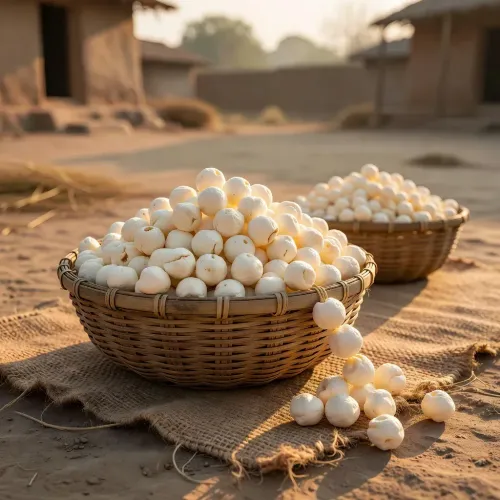
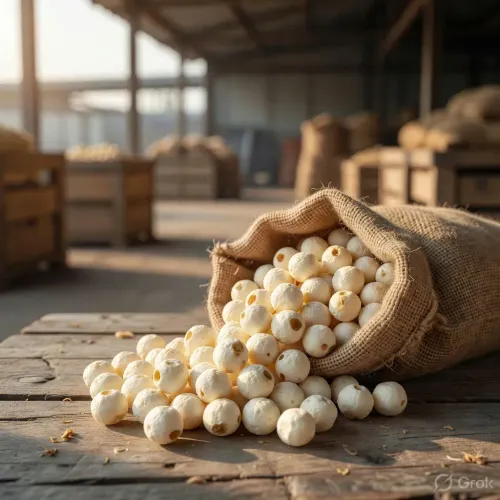
New Delhi, Dec 26 (NationPress) A 25-gram pack of foxnuts (Makhana), once priced at $2, has surged to $4 in recent months in the US. This price hike is attributed to tariffs imposed by President Donald Trump, which have strained household budgets, according to a recent report.
As reported by Al Jazeera, the 50 percent tariffs on imports from India have severely impacted sales, resulting in a staggering 40 percent drop in shipments to the US.
Nevertheless, Indian foxnut exporters have successfully identified alternative markets, the report notes.
A Denver-based leather garment trader, originally from Kolkata, shared that his monthly grocery budget soared from $500 to $900 during the pandemic, specifically highlighting the rising costs of foxnuts.
“Despite the challenges, there are signs of optimism – Indian foxnuts are gaining traction in new markets and are increasingly being recognized as a health superfood in India,” the report continued.
Exporters are now noticing growing demand from countries such as Spain and South Africa, fueled by the Indian diaspora and the rising awareness of the health benefits of foxnuts.
In the 2024-25 period, India exported approximately 800 metric tonnes of foxnuts to various markets, including Germany, China, the US, and the Middle East, with the US representing half of these exports.
“The sector is brimming with potential, as it remains in its early stages and is primarily recognized among the Indian diaspora abroad. There is a pressing need to enhance awareness both domestically and internationally,” stated Satyajit Singh, whose company, Shakti Sudha Agro Ventures, accounts for half of India's foxnut exports.
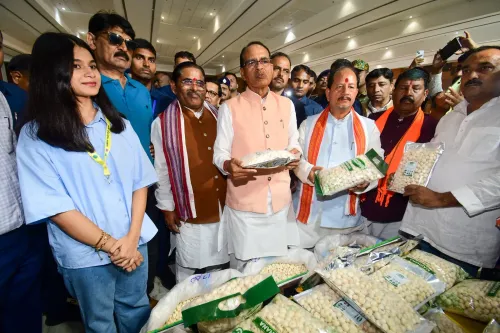
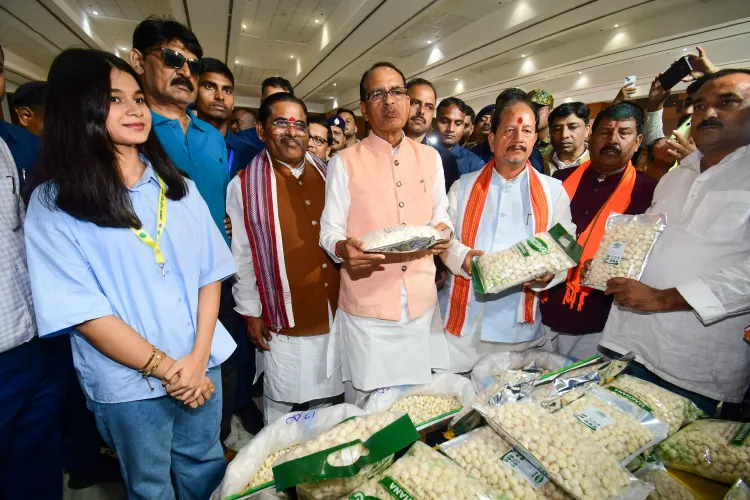
The Indian government has recently initiated a Makhana Board with an initial investment of Rs 1 billion to formalize the value chain while providing training, quality control, and export facilitation.
India is the world's leading producer of makhana, contributing nearly 80 percent of the global supply, as noted in a recent session of Parliament. The state of Bihar is pivotal to the country’s makhana production, accounting for around 85 percent of national output, with Darbhanga emerging as a critical hub for cultivation and processing.
aar/na
Point of View
The rising price of Makhana in the US highlights the interconnectedness of global trade and local economies. While tariffs pose challenges, the resilience of Indian exporters showcases innovation and adaptability in seeking new markets. The establishment of a Makhana Board by the Indian government represents a proactive step towards enhancing this sector's potential.
NationPress
26 Sept 2026
Frequently Asked Questions
What caused the rise in Makhana prices in the US?
The increase in Makhana prices in the US is primarily due to tariffs imposed by President Donald Trump, which have affected household budgets and led to a drop in shipments.
Are Indian exporters finding alternative markets?
Yes, Indian exporters are successfully identifying new markets such as Spain and South Africa, driven by demand from the Indian diaspora and growing awareness of the health benefits of foxnuts.
What initiatives is the Indian government taking for Makhana production?
The Indian government has announced the establishment of a Makhana Board with an initial investment of Rs 1 billion to improve the value chain, provide training, and facilitate exports.
How much of the world's Makhana does India produce?
India is the largest producer of Makhana, accounting for nearly 80 percent of global production, with Bihar being the main contributor.
What are the health benefits of Makhana?
Makhana is recognized as a superfood, rich in nutrients and beneficial for health, contributing to its rising popularity in various markets.