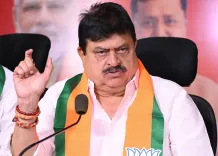
Mamata Banerjee moves SC against ECI order freezing TMC name, symbol

Synopsis
The TMC's identity crisis has reached the Supreme Court. With the Election Commission freezing the party's name and 'Flowers and Grass' symbol just days before the October 6 West Bengal by-elections, Mamata Banerjee's faction is fighting on two legal fronts simultaneously — against rebel MPs in Parliament and now against the poll body's interim order. The outcome could redraw Bengal's political map.
Key Takeaways
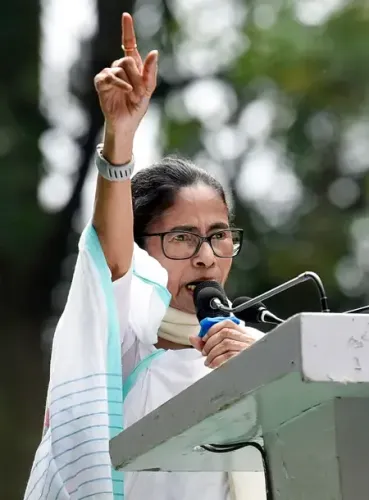
Mamata Banerjee filed a plea in the Supreme Court on Friday, 19 September 2026 , challenging the ECI 's order freezing the TMC name and symbol.
The case is registered as Diary No.
58005/2026 ; respondents include the ECI , its Secretary, and rebel leader Ritabrata Banerjee .
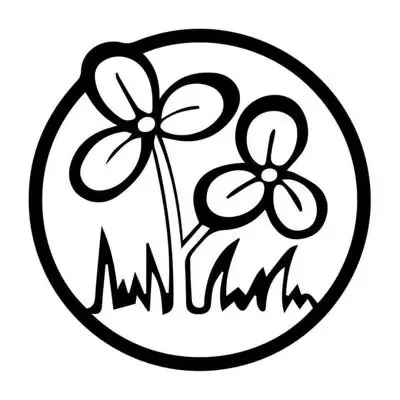
The ECI's interim order bars both factions from using the All India Trinamool Congress name and 'Flowers and Grass' symbol for the October 6 by-elections.
The Mamata-led faction has been allotted the name 'Mamata All India Trinamool Congress' and the 'football player' symbol; the rival group gets 'Democratic Trinamool Congress' and the 'envelope' symbol.
20 rebel TMC Lok Sabha MPs aligned with the Nationalist Citizens Party of India (NCPI) ; the Supreme Court had issued notice to them on 25 August on a disqualification plea.
The dispute spans Nandigram and Rejinagar Assembly constituencies among others scheduled for by-polls on 6 October 2026 .
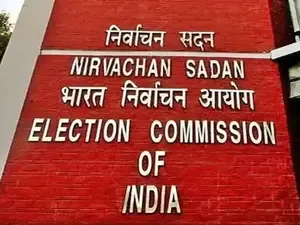
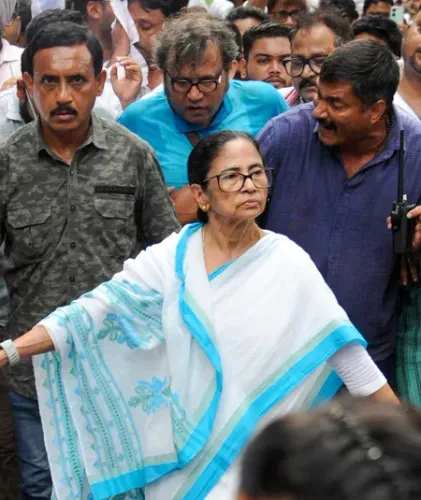
Trinamool Congress (TMC) chief Mamata Banerjee on Friday, 19 September 2026, moved the Supreme Court challenging the Election Commission of India's (ECI) interim order freezing the party's name and its reserved 'Flowers and Grass' election symbol, amid a deepening factional dispute that now threatens the party's identity ahead of crucial by-elections in West Bengal.
The Supreme Court Plea
The petition has been registered under Diary No. 58005/2026, with Mamata Banerjee as the petitioner. The respondents named in the plea are the Election Commission of India, its Secretary, and rebel leader Ritabrata Banerjee. The filing comes just a day after the poll panel passed its interim order, underscoring the urgency with which the Mamata-led faction has moved to contest the ECI's decision.
What the ECI Order Said
The Election Commission issued its interim order barring both the Mamata Banerjee-led faction and the Ritabrata Banerjee-led rebel faction from using the All India Trinamool Congress name and the party's reserved symbol. The poll body cited the existence of two rival groups both claiming to represent the party, and invoked Paragraph 15 of the Election Symbols (Reservation and Allotment) Order, 1968, to initiate a substantive determination of the dispute.
The ECI directed both factions to submit alternative names and symbols for the upcoming by-elections. Earlier on Friday, it allotted the Mamata-led faction the name 'Mamata All India Trinamool Congress' and the 'football player' symbol, while the rebel faction was assigned the name 'Democratic Trinamool Congress' and the 'envelope' symbol.
What Is at Stake: October 6 By-Elections
The timing of the ECI order has direct electoral consequences. The October 6 by-elections in West Bengal — including the politically significant Nandigram and Rejinagar Assembly constituencies — will now be contested under temporary names and symbols, significantly altering campaign dynamics. The Mamata-led faction has strongly protested the interim order and maintained it does not accept the ECI's decision.
The Broader Factional Crisis
The dispute within the TMC has escalated across multiple constitutional forums. In Parliament, 20 rebel TMC Lok Sabha MPs broke away from the Mamata-led group and aligned with the Nationalist Citizens Party of India (NCPI), seeking recognition as a separate parliamentary group. The rebel faction claimed the support of more than two-thirds of the TMC's Lok Sabha membership — a threshold that, if valid, would ordinarily shield them from anti-defection provisions.
The Mamata-led faction, however, contends that the MPs were elected on the TMC symbol and that their decision to join another party attracts anti-defection law. TMC National General Secretary Abhishek Banerjee had challenged the delay by Lok Sabha Speaker Om Birla in deciding the disqualification petitions. On 25 August, the Supreme Court issued notice to the 20 rebel MPs on that plea, while refraining from issuing notice to the Speaker. Solicitor General Tushar Mehta, appearing for the Speaker, informed the court that notices had already been issued to the rebel MPs in disqualification proceedings.
What Happens Next
With the Supreme Court now seized of the ECI order as well, the TMC dispute is being litigated on at least two parallel tracks — the disqualification of rebel MPs and the freeze on the party's name and symbol. The apex court's response to the latest plea and the ECI's final adjudication under the Symbols Order will shape not just the by-election outcome, but the long-term organisational future of one of India's most influential regional parties.
Point of View
And the precedent has implications well beyond West Bengal. What mainstream coverage underplays is that the Mamata faction, despite claiming legitimacy, is now fighting from a structurally weaker position: it controls government in the state but has lost a bloc of Lok Sabha MPs large enough to claim a two-thirds majority. The Supreme Court will have to adjudicate the anti-defection and the symbol dispute in a sequenced and consistent manner — any contradiction between the two rulings could create a constitutional tangle that benefits neither faction nor the voter.
NationPress
18 Sept 2026
Frequently Asked Questions
Why has Mamata Banerjee moved the Supreme Court against the ECI order?
Mamata Banerjee challenged the ECI's interim order freezing the Trinamool Congress name and its 'Flowers and Grass' symbol, which the poll body issued after a rival faction led by Ritabrata Banerjee also claimed ownership of the party. The Mamata-led faction contends it is the legitimate TMC and does not accept the ECI's decision to bar both groups from using the established name and symbol.
What exactly did the Election Commission order?
The ECI barred both the Mamata Banerjee-led and Ritabrata Banerjee-led factions from using the All India Trinamool Congress name and the 'Flowers and Grass' symbol, pending a final determination under Paragraph 15 of the Election Symbols (Reservation and Allotment) Order, 1968. For the October 6 by-elections, the Mamata faction was allotted 'Mamata All India Trinamool Congress' and the 'football player' symbol, while the rival group received 'Democratic Trinamool Congress' and the 'envelope' symbol.
Which by-elections are directly affected by this dispute?
The October 6 West Bengal by-elections — including the Nandigram and Rejinagar Assembly constituencies — are directly affected, as both factions must now contest under new temporary names and symbols rather than the recognised TMC banner.
Who are the rebel TMC MPs and what is their claim?
Twenty rebel TMC Lok Sabha MPs broke away from the Mamata Banerjee-led group and aligned with the Nationalist Citizens Party of India (NCPI), claiming to represent more than two-thirds of the TMC's Lok Sabha membership — a threshold that, they argue, protects them from anti-defection disqualification. The Mamata faction has challenged this position in the Supreme Court, which issued notice to the rebel MPs on 25 August 2026.
What happens if the Supreme Court does not stay the ECI order before October 6?
If no stay is granted, both factions will contest the October 6 by-elections under the temporary names and symbols already allotted by the ECI — 'Mamata All India Trinamool Congress' with the 'football player' symbol for the Mamata group, and 'Democratic Trinamool Congress' with the 'envelope' symbol for the Ritabrata Banerjee-led faction. This could significantly dilute voter recognition built around the original TMC brand.