Mandaviya pitches India's sports reforms at Glasgow CSMM
Synopsis
Sports Minister Mansukh Mandaviya addressed the Commonwealth Sports Ministers Meeting in Glasgow on 22 July 2026, spotlighting India's Khelo India, Fit India, and ASMITA League programmes and reaffirming Ahmedabad's readiness to host the 2030 Centenary Commonwealth Games.
Key Takeaways
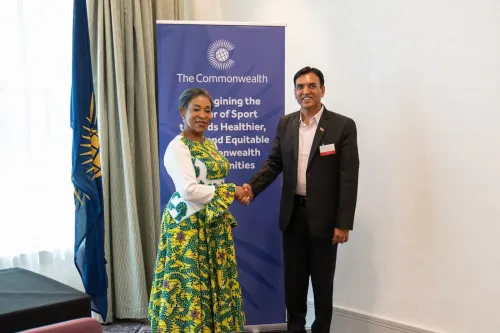
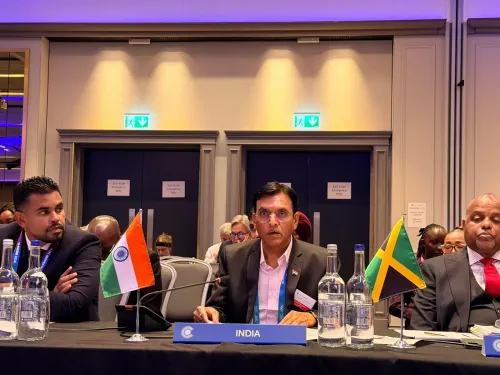
Mansukh Mandaviya represented India at the Commonwealth Sports Ministers Meeting (CSMM) in Glasgow on 22 July 2026 .
He highlighted three flagship schemes — Khelo India (launched 2017), Fit India Movement (launched August 2019), and the ASMITA League — as drivers of grassroots and women's sport.
India's National Anti-Doping Agency framework was cited as a key governance reform, updated through 2022 amendments aligned with the WADA code.
Ahmedabad is the designated host city for the 2030 Centenary Commonwealth Games , which the minister described as 'historic, sustainable, and memorable.' The CSMM appearance reinforces India's use of multilateral sports diplomacy to project domestic reforms and secure support for its hosting bid.
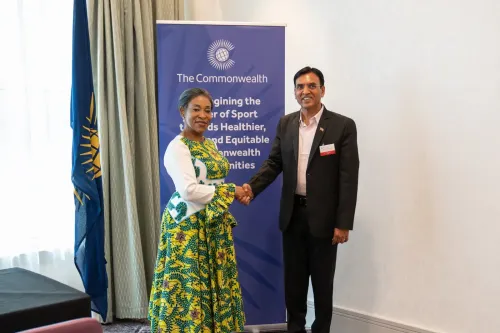
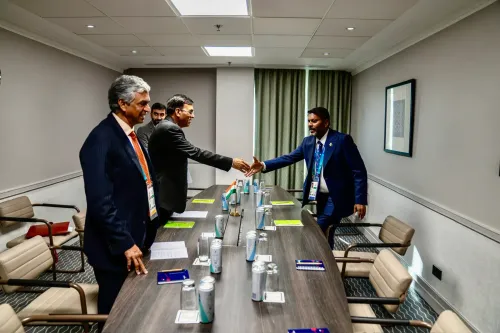
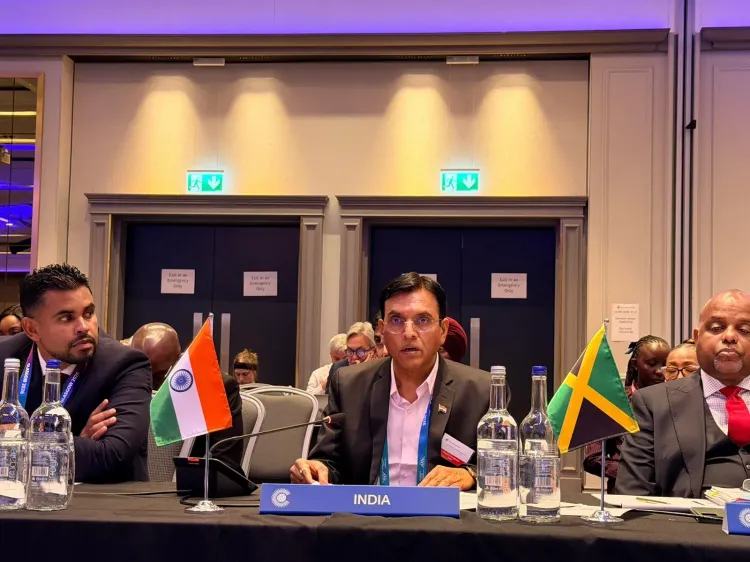
Union Labour and Sports Minister Mansukh Mandaviya attended the Commonwealth Sports Ministers Meeting (CSMM) in Glasgow on 22 July 2026, where he outlined India's sporting transformation and reaffirmed the country's readiness to host the 2030 Centenary Commonwealth Games in Ahmedabad.
Context
Addressing fellow sports ministers from across the Commonwealth, Mandaviya described India's progress under what he called the 'visionary leadership of PM Shri Narendra Modi.' He cited governance reforms, a strengthened anti-doping framework, and flagship programmes — Khelo India, Fit India, and the ASMITA League — as pillars of the country's grassroots sports ecosystem. The minister concluded his intervention by reaffirming Ahmedabad's 'world-class preparations' to host a 'historic, sustainable, and memorable' centenary edition of the Games.
Policy Backdrop
The Khelo India programme, launched in 2017, was designed to build a structured talent pipeline from school and district levels up to elite competition, with dedicated central funding for identified athletes. The Fit India Movement, inaugurated in August 2019, extended the government's focus beyond elite sport to mainstream physical fitness in schools, workplaces, and communities.
India's National Anti-Doping Agency (NADA) framework was reinforced through 2022 amendments that brought domestic rules into closer alignment with the World Anti-Doping Agency (WADA) code — a reform that has become a recurring talking point in international sporting diplomacy. The ASMITA League, a women-focused competitive league at the grassroots level, represents a more recent addition to this policy stack, aimed at widening female participation in organised sport.
Stakeholders and Impact
Young athletes and women sportspersons stand to benefit most directly from the schemes Mandaviya highlighted. State sports departments, which are co-implementers of programmes such as Khelo India, are also central to the delivery architecture the minister projected to his Commonwealth counterparts.
Multilateral forums such as the CSMM serve a dual purpose for India: they are venues to project domestic reform credentials and, simultaneously, platforms to consolidate diplomatic support for hosting ambitions. India's successful bid to host the 2030 Commonwealth Games — with Ahmedabad as the designated city — makes such engagements particularly consequential in the current cycle.
What's Next
Attention will now turn to venue construction timelines in Ahmedabad and the pace of central-state coordination ahead of the 2030 Games cycle. Parliamentary scrutiny of sports budget utilisation is also expected in the upcoming monsoon session, which could provide the next formal public accounting of how the schemes Mandaviya promoted in Glasgow are performing on the ground.
India's projection of itself as both a reforming sports governance state and a capable host of mega-events signals an intent to use sport as an instrument of soft power — a trajectory that the 2030 Commonwealth Games will test in full public view.
Point of View
Fit India, and the ASMITA League as a coherent reform narrative, the government is positioning India not merely as a participant in Commonwealth sport but as a model for it. The anti-doping emphasis is particularly pointed, addressing a historically sensitive area where India faced scrutiny, and signalling that governance credibility is now seen as inseparable from hosting ambition. If Ahmedabad's infrastructure delivery keeps pace with the diplomatic groundwork being laid, India's soft-power play in sport could become one of the more durable legacies of this political cycle.
NationPress
21 Oct 2026
Frequently Asked Questions
What is the Commonwealth Sports Ministers Meeting (CSMM)?
The CSMM is an annual gathering of sports ministers from Commonwealth nations to coordinate policy on sports development, governance, and major events. The 2026 edition was held in Glasgow.
Where will the 2030 Commonwealth Games be held?
The 2030 Centenary Commonwealth Games will be hosted in Ahmedabad, India. The city has been formally designated as the host and is reported to be developing world-class infrastructure for the event.
What is the Khelo India programme?
Khelo India is a central government scheme launched in 2017 to identify and nurture sporting talent at the district and university levels, creating a structured pipeline from grassroots to elite competition.
What is the ASMITA League?
The ASMITA League is a government-backed women's sports league introduced to increase female participation and competitive opportunities at the grassroots level across India.
What anti-doping reforms has India made?
India's National Anti-Doping Agency (NADA) framework was strengthened through 2022 amendments that aligned domestic rules more closely with the World Anti-Doping Agency (WADA) code, a reform Minister Mandaviya cited at the Glasgow CSMM.