Mandaviya pitches India's sports reforms at Commonwealth meet
Synopsis
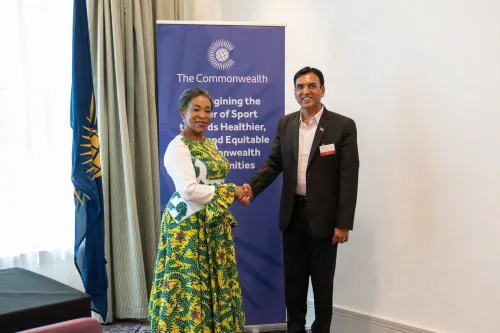
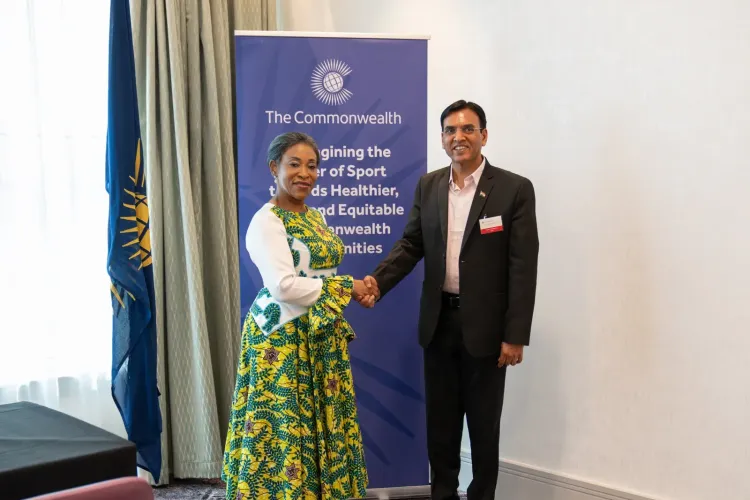
Union Sports Minister Mansukh Mandaviya met Commonwealth Secretary-General Shirley Ayorkor Botchwey in Glasgow on 23 July 2026, presenting India's Khelo Bharat Niti and ASMITA Leagues while discussing the country's plans to host the 2030 Commonwealth Games.
Key Takeaways
Mansukh Mandaviya met Commonwealth Secretary-General Shirley Ayorkor Botchwey on the sidelines of the Commonwealth Sports Ministers' Meeting in Glasgow on 23 July 2026 .
India's Khelo Bharat Niti and ASMITA Leagues were highlighted as key instruments for grassroots sports development and gender inclusion.
The two sides discussed leveraging the 'Commonwealth Advantage' to deepen sports partnerships and explore trade and investment opportunities.
India is preparing to host the 2030 Commonwealth Games , with the formal bid and host-city selection process being the next critical milestone.
The ASMITA Leagues target women's participation at the district and state level, addressing a structural gap in competitive sport.
India's sports diplomacy strategy links mega-event hosting to infrastructure development and broader soft-power goals.
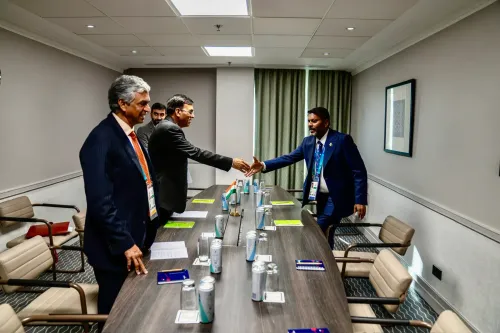
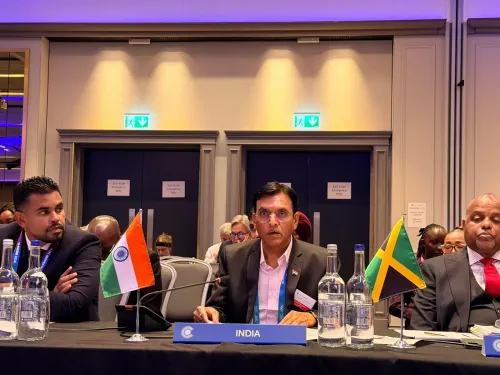
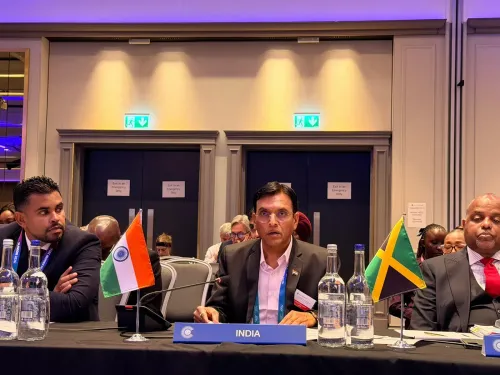
Union Labour and Sports Minister Mansukh Mandaviya met Commonwealth Secretary-General Shirley Ayorkor Botchwey on the sidelines of the Commonwealth Sports Ministers' Meeting in Glasgow on Wednesday, 23 July 2026, holding discussions on India's ongoing sports reforms and bilateral opportunities ahead of the 2030 Commonwealth Games.
Context
The meeting, held on the margins of the Commonwealth Sports Ministers' gathering, saw Minister Mandaviya brief Secretary-General Botchwey on India's domestic sports transformation agenda. Mandaviya highlighted the Khelo Bharat Niti and the ASMITA Leagues as flagship initiatives strengthening grassroots participation, advancing gender inclusion, and building pathways to elite performance across the country.
The ASMITA Leagues are women-centric competitions designed to increase female athlete participation at the district and state level, while the Khelo Bharat Niti provides the overarching policy framework for talent identification and sports infrastructure development nationwide.
Policy Backdrop
India's current sports reform drive builds on the Khelo India programme, launched in 2017, which revived the domestic sports ecosystem through annual multi-discipline competitions and infrastructure grants to states. The older National Sports Policy of 2001 had set the foundational idea of sports as a vehicle for national integration and youth development, a vision the present government has sought to scale up significantly.
The Commonwealth platform has historically served as a dual-use forum for India — facilitating both sporting exchanges among the 56-member voluntary association and broader economic conversations. Mandaviya indicated the two sides exchanged views on 'leveraging the Commonwealth Advantage' to deepen sports partnerships and unlock new opportunities in trade and investment.
Stakeholders and Impact
Grassroots athletes and women sportspersons stand to benefit most directly from the programmes Mandaviya showcased in Glasgow. The ASMITA Leagues in particular represent a structural push to bring more women into competitive sport at the foundational level, addressing a long-standing participation gap.
For the broader Commonwealth membership, India's hosting ambition for 2030 carries significance: a Games hosted by the world's most populous nation would represent one of the largest editions in the event's history, with potential ripple effects for sports infrastructure investment and regional athlete development programmes across South Asia.
What's Next
The formal bid submission and host-city selection process for the 2030 Commonwealth Games remains the key milestone to watch. Any bilateral sports Memoranda of Understanding or follow-up engagements emerging from the Glasgow meeting could signal the pace at which India is consolidating multilateral support for its hosting ambitions.
India's simultaneous pursuit of domestic reform and multilateral sports diplomacy reflects a broader strategy of using mega-event hosting as a lever for infrastructure upgrades and soft-power projection — a pattern that will be closely tracked as the 2030 timeline draws closer.
Point of View
And multilateral legitimacy-building through Commonwealth platforms. Showcasing these programmes to the Secretary-General ahead of a formal 2030 bid signals that India is treating sports diplomacy as a serious policy instrument, not merely ceremonial participation. The linkage of sports partnerships with trade and investment discussions reflects how New Delhi increasingly bundles soft-power and economic diplomacy in multilateral settings. The 2030 hosting question will be the real test of whether these conversations translate into binding commitments.
NationPress
22 Oct 2026
Frequently Asked Questions
What did Mansukh Mandaviya discuss at the Commonwealth Sports Ministers' Meeting in Glasgow?
Mandaviya met Commonwealth Secretary-General Shirley Ayorkor Botchwey and highlighted India's sports reforms, specifically the Khelo Bharat Niti and ASMITA Leagues, while also discussing deepening sports partnerships and India's preparations to host the 2030 Commonwealth Games.
What is the Khelo Bharat Niti?
The Khelo Bharat Niti is India's national sports policy framework aimed at promoting grassroots participation, building sports infrastructure, and identifying talent across Indian states. It builds on the Khelo India programme launched in 2017.
What are ASMITA Leagues?
ASMITA Leagues are women-centric sports competitions launched to increase female athlete participation at the district and state levels in India, addressing a long-standing gender gap in competitive sport.
Is India hosting the 2030 Commonwealth Games?
India has publicly stated its intention to bid for and host the 2030 Commonwealth Games. The formal bid submission and host-city selection remain key upcoming milestones.
Who is Shirley Ayorkor Botchwey?
Shirley Ayorkor Botchwey has served as Secretary-General of the Commonwealth since 2024. She previously served as Ghana's Minister for Foreign Affairs and Regional Integration.