Mandaviya shares PM Modi's anti-drug message for India's youth
Synopsis
Union Minister Mansukh Mandaviya amplified PM Modi's emotionally charged anti-drug appeal on 2 August 2026, invoking family bonds under #NashaMuktYuva — part of a broader cross-ministry campaign to steer Indian youth away from substance abuse.
Key Takeaways
Mansukh Mandaviya shared a direct quote from PM Narendra Modi on 2 August 2026 under the #NashaMuktYuva hashtag.
The message frames drug addiction as a destroyer of family bonds — a mother's smile, a father's dreams, a sister's rakhi hope.
The post is timed close to Raksha Bandhan , amplifying the cultural resonance of the rakhi reference.
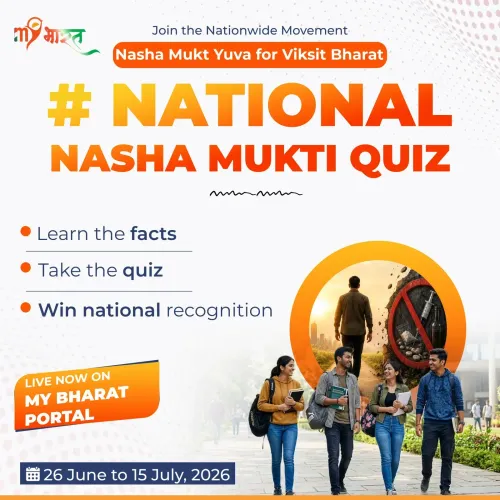
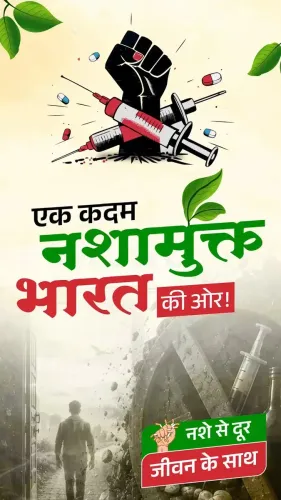
The campaign connects to the Nasha Mukt Bharat Abhiyan , launched in 2020 by the Ministry of Social Justice and Empowerment.
Mandaviya's Youth Affairs and Sports portfolio makes him a key ministry-level voice in anti-drug outreach to younger demographics.
The broader National Action Plan for Drug Demand Reduction coordinates prevention messaging across multiple central ministries.
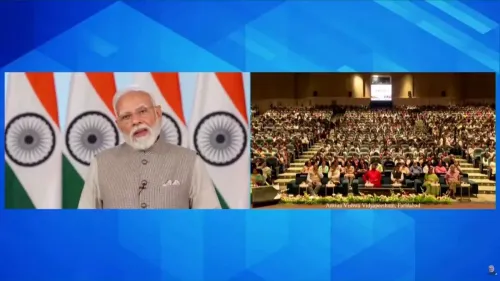
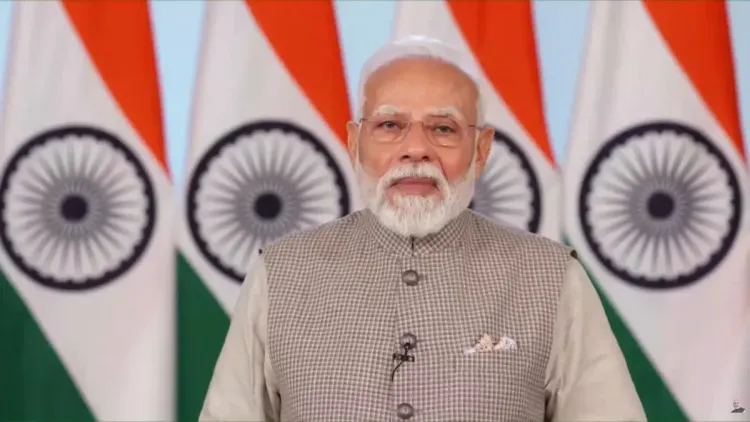
A mother's smile, a father's dreams, a sister's hope tied to a rakhi thread — Union Labour and Sports Minister Mansukh Mandaviya invoked these images on Sunday, 2 August 2026, amplifying a pointed appeal from Prime Minister Narendra Modi urging India's young people to stay free of drugs under the #NashaMuktYuva campaign.
Quoting the Prime Minister directly, Mandaviya shared: 'Drugs ka nasha maa ki muskaan, pita ke sapnon aur behen ki raakhi ki umeed ko choor-choor kar deta hai.' ('The addiction of drugs shatters a mother's smile, a father's dreams, and a sister's hope carried in a rakhi.') The message closes with a call to action: stay drug-free and become part of India's bright future.
The family appeal at the heart of the campaign
The choice of imagery is deliberate. By anchoring the anti-drug message in the most intimate bonds of an Indian family — a mother's face, a father's ambition, a sister's festival — the campaign sidesteps statistics and speaks directly to emotion. Raksha Bandhan, the festival that gives the rakhi its cultural weight, falls in August, making the timing of this post sharply resonant.
Mandaviya holds the Youth Affairs and Sports portfolio alongside Labour, placing him at the front line of government outreach to the demographic most at risk. Social media amplification by senior ministers is a core tactic in the government's effort to reach younger Indians where they spend their time.
Nasha Mukt Yuva and the broader policy push
The #NashaMuktYuva hashtag sits within a wider architecture of central government anti-drug policy. The Nasha Mukt Bharat Abhiyan, launched in 2020 by the Ministry of Social Justice and Empowerment, established the national framework for awareness generation across districts identified as high-vulnerability zones. The National Action Plan for Drug Demand Reduction coordinates prevention messaging across multiple ministries, with Youth Affairs playing an increasingly visible role.
Successive governments have used coordinated cross-ministry campaigns — spanning social justice, health, education, and now sports and youth — to push prevention upstream, before addiction takes hold. Public figures carrying the message, rather than bureaucratic circulars, is the operating logic.
With state-level awareness events under the Youth Affairs ministry expected to follow and parliamentary scrutiny of de-addiction infrastructure funding on the horizon, this social media moment is the visible tip of a larger institutional effort — one that will be judged not by the reach of a post, but by whether the needle moves on the ground.
Point of View
Family-centric framing to carry policy messaging past the noise of social media. By having the Youth Affairs Minister amplify the Prime Minister's words, the campaign creates a two-tier megaphone effect — top-down authority reinforced by ministerial reach. The Raksha Bandhan timing is not incidental; it is a studied choice that ties a public health message to a private, felt moment. Whether this translates into measurable demand reduction or remains a recurring awareness cycle is the question that will define the Nasha Mukt Bharat Abhiyan's legacy.
NationPress
2 Aug 2026
Frequently Asked Questions
What is the Nasha Mukt Yuva campaign?
Nasha Mukt Yuva is a government-backed social media awareness initiative aimed at discouraging drug use among Indian youth, promoted under the hashtag #NashaMuktYuva by ministers including Mansukh Mandaviya.
What did PM Modi say about drugs in this post?
PM Modi's quoted message states that drug addiction shatters a mother's smile, a father's dreams, and a sister's hope symbolised by a rakhi, and calls on youth to stay drug-free and be part of India's bright future.
What is the Nasha Mukt Bharat Abhiyan?
The Nasha Mukt Bharat Abhiyan is a national awareness programme launched in 2020 by the Ministry of Social Justice and Empowerment to combat drug abuse, targeting districts with high vulnerability to substance misuse.
Why is Mansukh Mandaviya involved in anti-drug messaging?
Mandaviya holds the Union Youth Affairs and Sports portfolio, making outreach to young Indians a core part of his ministerial responsibility and positioning him as a key amplifier of anti-drug campaigns.
What is the National Action Plan for Drug Demand Reduction?
It is India's coordinating policy framework that aligns prevention, awareness, and de-addiction efforts across multiple central ministries, with a focus on reducing the demand for drugs rather than only enforcement.