Manipur CM: Ethnic crisis consumes 50% of his time since Feb 4 swearing-in
Synopsis
Manipur Chief Minister Yumnam Khemchand Singh has publicly disclosed that the state's ongoing ethnic crisis absorbs half his working time — nearly eight hours a day — since he took office in February. It is the most direct official admission yet that the prolonged Meitei-Kuki-Zo conflict is not just a humanitarian emergency, but a governance one too.
Key Takeaways
Manipur CM Yumnam Khemchand Singh said the ethnic crisis has consumed nearly 50 per cent of his time since assuming office on 4 February 2026 .
He spends nearly eight hours a day thinking about how to resolve the prevailing law and order situation.
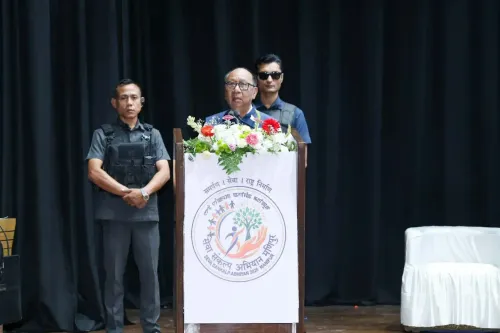
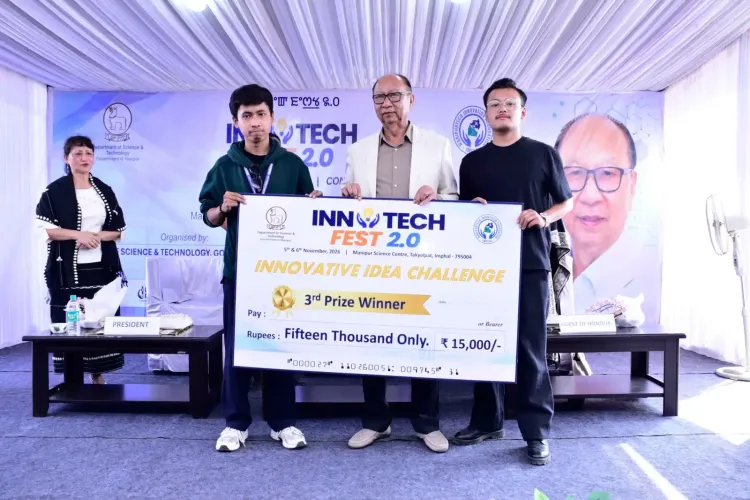
The Chief Minister made the remarks at the inauguration of INNOTECH FEST 2.0 at the Manipur Science Centre, Imphal .
He reported no farmer complaints over subsidised urea distribution this year after personally intervening in the process.
Rabi crop seed distribution has been advanced from February to October to enable timely double-cropping.
Officials were directed to implement Central government-funded projects efficiently and submit utilisation certificates on time.
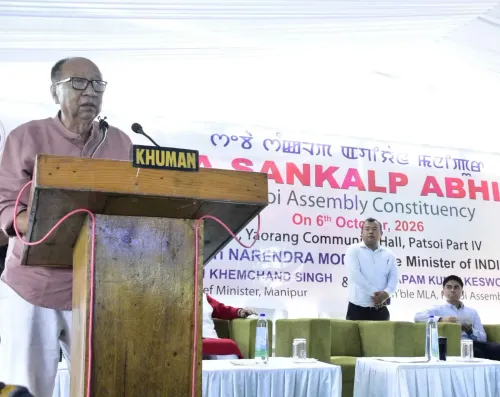
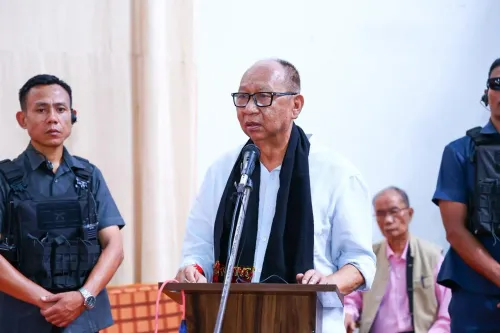
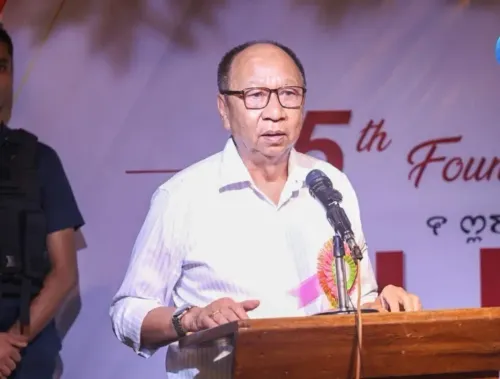
Manipur Chief Minister Yumnam Khemchand Singh revealed on Thursday, 5 November 2026, that the ongoing ethnic conflict in the state has consumed nearly 50 per cent of his working hours since he assumed office on 4 February this year. The admission, made at a public event in Imphal, offers the clearest official acknowledgement yet of how deeply the prolonged crisis has paralysed governance in Manipur.
The Weight of the Crisis on Governance
Speaking at the inauguration of INNOTECH FEST 2.0, Chief Minister Khemchand Singh said he spends nearly eight hours a day thinking about ways to address the issues confronting the state. He acknowledged that this sustained focus on the law and order situation has left him with limited bandwidth for developmental initiatives — a candid concession from the state's top executive about the trade-off crisis management imposes on economic progress.
Manipur has been in the grip of ethnic violence between the Meitei and Kuki-Zo communities since May 2023, making it one of the longest-running internal conflicts in India's northeastern region. The crisis has displaced tens of thousands of people and severely disrupted normal administrative functioning. This is the first time the sitting Chief Minister has publicly quantified the personal cost of the conflict on his governance priorities.
Science, Youth, and the Viksit Bharat Vision
INNOTECH FEST 2.0 was organised by the Department of Science and Technology in collaboration with the Manipur Innovation Foundation at the Manipur Science Centre at Takyelpat, Imphal. The two-day festival is being held under the theme 'Innovate – Create – Connect'.
Despite the crisis, Khemchand Singh used the platform to underscore the role of science and technology in nation-building. He said the active participation of the country's emerging youth is essential to realise Prime Minister Narendra Modi's vision of a Viksit Bharat by 2047. He also called on those in public service to remain honest and sincere in their duties, emphasising integrity as a cornerstone of governance.
Agriculture Reforms: Urea, Seeds, and Double-Cropping
Turning to economic governance, the Chief Minister highlighted that agriculture remains the largest contributor to Manipur's economy and detailed several corrective steps his administration has taken. He said he personally called officers of the Agriculture Department to overhaul the distribution of subsidised urea fertilisers, instructing them to resist political pressure and ensure fertilisers reach genuine beneficiaries.
According to Khemchand Singh, the intervention has worked: his government has received no complaints from farmers about non-availability or non-distribution of subsidised urea this year, a marked improvement over previous years. Additionally, the state government has advanced the distribution of Rabi crop seeds from February to October, enabling farmers to pursue a double-cropping system in a timely manner.
Accountability on Central Funds
Chief Minister Khemchand Singh also stressed the importance of efficiently implementing projects funded by the Centre and urged officials of relevant departments to submit utilisation certificates on time. The directive signals a push for greater fiscal accountability at a moment when Manipur's reliance on central transfers is especially acute given its crisis-disrupted revenue base.
As the ethnic conflict enters its third year with no formal resolution in sight, the Chief Minister's remarks at a technology festival crystallise the central contradiction of governing Manipur today: building toward the future while still trapped in the present.
Point of View
But it also exposes the limits of administrative workarounds in the absence of genuine inter-community dialogue. The governance deficit is compounding: every hour the CM spends on conflict management is an hour not spent on flood relief, infrastructure, or the very youth innovation agenda he was addressing. With no ceasefire framework publicly on the table, Manipur risks becoming a case study in how prolonged ethnic impasse hollows out state capacity from the inside.
NationPress
6 Nov 2026
Frequently Asked Questions
What did Manipur CM Yumnam Khemchand Singh say about the ethnic crisis?
Chief Minister Yumnam Khemchand Singh said on 5 November 2026 that the ongoing ethnic conflict in Manipur has required him to devote nearly 50 per cent of his time — roughly eight hours a day — to resolving the crisis since taking office on 4 February. He acknowledged this has left limited time for developmental work.
How long has the Manipur ethnic crisis been going on?
The ethnic conflict between the Meitei and Kuki-Zo communities in Manipur began in May 2023, making it over two years old. It has displaced tens of thousands of people and severely disrupted governance and economic activity in the state.
What is INNOTECH FEST 2.0 and where was it held?
INNOTECH FEST 2.0 is a two-day science and technology festival organised by the Manipur Department of Science and Technology in collaboration with the Manipur Innovation Foundation. It was held at the Manipur Science Centre in Takyelpat, Imphal, under the theme 'Innovate – Create – Connect'.
What steps has the Manipur government taken on urea fertiliser distribution?
Chief Minister Khemchand Singh said he personally intervened by calling Agriculture Department officers to overhaul the distribution mechanism for subsidised urea fertilisers, directing them to resist political pressure and ensure the fertiliser reaches genuine farmers. He said the government received no complaints from farmers this year, unlike in previous years.
What change has been made to Rabi crop seed distribution in Manipur?
The state government has advanced the distribution of Rabi crop seeds from February to October, enabling farmers to pursue a double-cropping system in a timely manner. The move is aimed at boosting agricultural productivity in a state where farming is the largest contributor to the economy.