Manipur Police launches E-Malkhana system for digital evidence management
Synopsis
Manipur Police have gone digital on evidence storage — a problem area that has caused acquittals and scandals across India for decades. The E-Malkhana pilot at Irilbung Police Station uses barcoded records linked to FIRs, replacing paper logs that routinely led to misplacement, pilferage and even explosions. It is the first such system at the police station level in the state, and officials say it is designed to scale.
Key Takeaways
Manipur Police launched the E-Malkhana system — the state's first digital evidence management platform — at the police station level.
The pilot site is Irilbung Police Station , Imphal East district ; the initiative was announced on 1 June 2025 .
Every seized item receives a unique barcode encoding FIR number, legal sections, Investigating Officer details, photographs and disposal status.
The system was led by SP Shivanand Surve and IPS Officer Pooja Malani of Imphal East district.
The initiative operates under the Bharatiya Nagarik Suraksha Sanhita, 2023 framework and is intended as a replicable model for other Manipur police stations.
Officials cited past risks — including theft, pilferage and explosions from improperly stored hazardous materials — as key drivers for the reform.
Manipur Police have introduced the E-Malkhana system — a first-of-its-kind digital evidence management platform — at the police station level, marking a significant shift in how seized property and case exhibits are stored, tracked and disposed of across the state. The initiative, operationalised at Irilbung Police Station in Imphal East district, was announced on Sunday, 1 June 2025.
What the E-Malkhana System Does
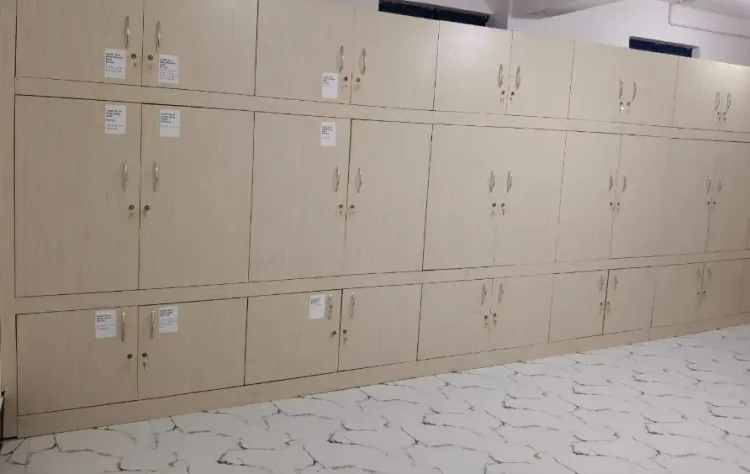
Under the new system, every seized item and case exhibit is catalogued and digitally recorded. Each piece of evidence is assigned a unique barcode containing critical details: the FIR number, applicable legal sections, the name of the Investigating Officer, a description of the exhibit, photographs, current status, and disposal particulars.
The barcode is directly linked to the corresponding case record, enabling swift identification, verification and retrieval of exhibits during investigations or court proceedings. This replaces the conventional paper-based logbooks that have long been associated with misplacement, duplication and procedural delays.
Who Led the Initiative
The upgrade was spearheaded by Imphal East Superintendent of Police Shivanand Surve and Police Officer Pooja Malani, both Indian Police Service (IPS) officers. The project is framed as part of a broader push to modernise police infrastructure and align evidence management practices with national standards.
'The digital initiative is aimed at improving the storage, tracking and disposal of case-related property and evidence, while enhancing accountability, transparency and operational efficiency in police station administration,' a senior police official said.
Why Evidence Management Reform Matters
A Malkhana — derived from the Persian words Mal (property) and Khana (space) — is the designated facility within a police station where property seized under the Bharatiya Nagarik Suraksha Sanhita, 2023, and other special and local laws is stored pending court production.
Officials underscored that failures in evidence management can derail prosecutions, create institutional liability and erode public trust. Notably, incidents of theft, pilferage, embezzlement and even accidental explosions — caused by improper storage of hazardous materials including explosives — have previously tarnished the reputation of law enforcement agencies across India. The E-Malkhana framework directly addresses these vulnerabilities through scientific storage protocols and real-time digital monitoring.
Broader Implications for Policing
This comes amid a national conversation on police modernisation following the rollout of the Bharatiya Nagarik Suraksha Sanhita. Manipur's move positions the state as an early adopter of technology-driven evidence governance at the station level — a tier that has historically received the least investment in administrative reform.
If replicated across other districts, the system could significantly reduce the backlog of unresolved property disposal cases that clog criminal courts. Officials indicated that the Irilbung pilot is intended as a replicable model for wider rollout across Manipur's police stations.
Point of View
But a single pilot station is not a reform. The real question is whether the state has the IT infrastructure, trained personnel and supervisory will to scale this to every police station — most of which still run on handwritten registers. The Bharatiya Nagarik Suraksha Sanhita's emphasis on time-bound investigation makes this kind of back-end digitisation not optional but essential. Manipur's move deserves credit, but the benchmark should be statewide rollout within a defined deadline, not a press release from one station.
NationPress
14 Sept 2026
Frequently Asked Questions
What is the E-Malkhana system launched by Manipur Police?
The E-Malkhana system is a digital evidence and seized-property management platform introduced by Manipur Police at Irilbung Police Station in Imphal East district. It replaces paper-based records with barcoded digital entries linked to FIRs, enabling real-time tracking, retrieval and disposal management of case exhibits.
What information does the E-Malkhana barcode contain?
Each barcode assigned to a seized item encodes the FIR number, applicable legal sections, the Investigating Officer's name, a description of the exhibit, photographs, current status and disposal details. The barcode is also linked to the corresponding case record for quick court-ready retrieval.
Why is evidence management reform important for police stations?
Poor evidence management — including misplacement, pilferage and improper storage of hazardous materials — can derail prosecutions, create legal liability and erode public confidence. Officials noted that past incidents, including accidental explosions inside Malkhanas from improperly stored explosives, highlight the urgency of scientific storage systems.
Who led the E-Malkhana initiative in Manipur?
The initiative was led by Imphal East Superintendent of Police Shivanand Surve and IPS Officer Pooja Malani as part of efforts to modernise police infrastructure in the district.
Will the E-Malkhana system be expanded beyond Irilbung Police Station?
Officials have indicated that the Irilbung Police Station pilot is designed as a replicable model for wider rollout across Manipur's police stations, though no specific timeline for statewide expansion has been announced.