CM Bhagwant Mann Addresses Bharat Tax-2026 Punjab Session Live from Delhi
Synopsis
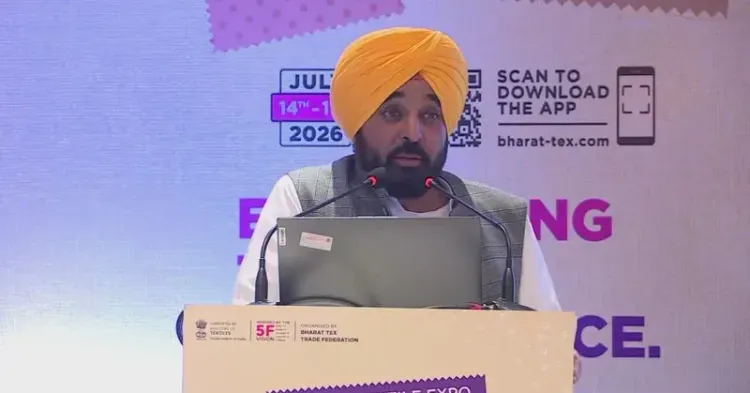
Punjab Chief Minister Bhagwant Mann addressed the Punjab session of Bharat Tax-2026 live from New Delhi on 14 July 2026, using the national taxation forum to spotlight the state's fiscal concerns in the post-GST-compensation era.
Key Takeaways
Bhagwant Mann addressed the Bharat Tax-2026 Punjab session live from New Delhi on 14 July 2026 .
The address was broadcast publicly via a live stream linked in Mann's post on X.
Punjab's revenue has faced pressure since the GST compensation mechanism expired in 2022 .
The state's finances depend heavily on excise duties, petroleum levies, and central devolution.
Mann, also AAP's national convenor, has consistently used national platforms to raise Punjab's fiscal federalism demands.
Outcomes from the session may feed into future GST Council discussions and Punjab's 2026-27 budget planning.
Punjab Chief Minister Bhagwant Mann on Tuesday, 14 July 2026 addressed the Punjab session of Bharat Tax-2026 live from New Delhi, marking the Aam Aadmi Party leader's latest engagement with a national-level taxation forum on behalf of the state.
Context
Posting on X in both Punjabi and Hindi, Mann announced his live address to the Bharat Tax-2026 Punjab session from Delhi. The bilingual post — 'ਭਾਰਤ ਟੈਕਸ-2026 ਦੇ ਪੰਜਾਬ ਸੈਸ਼ਨ ਨੂੰ ਸੰਬੋਧਨ ਕਰਦਿਆਂ ਦਿੱਲੀ ਤੋਂ LIVE' ('Addressing the Punjab session of Bharat Tax-2026, LIVE from Delhi') — was accompanied by a broadcast link, indicating the session was streamed publicly. Chief ministers addressing national tax forums from the capital is a well-established practice, particularly when state-specific fiscal concerns require a wider platform.
Policy Backdrop
Punjab's revenue architecture has undergone significant stress since the expiry of the GST compensation mechanism in 2022, which had shielded states from revenue shortfalls following the 2017 GST rollout that subsumed most state-level indirect taxes. The state's finances lean heavily on agricultural income, excise duties on liquor, and petroleum levies — all areas sensitive to central policy shifts. Forums such as Bharat Tax-2026 provide state governments a platform to articulate demands around revenue sharing, rationalisation of cesses and surcharges, and ease of doing business for local traders and industry.
Bhagwant Mann, who has served as Chief Minister since March 2022 and also holds the position of national convenor of the Aam Aadmi Party, has consistently used national platforms to raise Punjab's fiscal federalism concerns. The AAP government in Punjab has repeatedly flagged the state's debt burden and called for a more equitable devolution formula under the Finance Commission framework.
Stakeholders and Impact
The primary stakeholders of a Punjab-focused tax session include the state's trading community, excise and taxation officials, industry bodies, and small and medium enterprises that navigate both state and central indirect tax compliance. Any positions articulated by Mann at such a forum could feed into Punjab's representations before the GST Council or upcoming Finance Commission consultations. Punjab traders and manufacturers have long sought simplification of the compliance burden and clarity on input tax credit mechanisms under the current GST regime.
The choice of New Delhi as the venue for the address — rather than Chandigarh, Punjab's capital — underlines the national character of the forum and the Chief Minister's intent to place Punjab's concerns before a pan-India audience of policymakers and industry stakeholders.
What's Next
Observers will watch for any formal resolutions or recommendations that emerge from the Bharat Tax-2026 Punjab session and whether they are subsequently taken up in GST Council meetings or Punjab's own budget deliberations for 2026-27. Mann's participation signals that the AAP-led state government intends to remain an active voice in national tax-policy conversations, especially as debates over cesses, surcharges, and the next devolution cycle intensify ahead of the next financial year.
Point of View
At a time when the post-GST-compensation revenue gap continues to strain state budgets. For the AAP, which governs both Punjab and Delhi, such appearances serve a dual purpose: reinforcing the party's governance-first identity while applying pressure on the Centre over revenue devolution. The forum appearance also signals that Punjab intends to be a proactive participant in shaping the next phase of indirect tax reform, rather than a passive recipient of central decisions. Watch for whether Mann's positions here translate into formal submissions to the GST Council or the next Finance Commission.
NationPress
12 Oct 2026
Frequently Asked Questions
What is Bharat Tax-2026?
Bharat Tax-2026 appears to be a national-level taxation forum that includes state-specific sessions; the Punjab session was addressed by Chief Minister Bhagwant Mann live from New Delhi on 14 July 2026.
Why did Bhagwant Mann address the tax forum from Delhi and not Chandigarh?
The forum is a national-level event held in New Delhi, and Mann participated from there to engage a pan-India audience of policymakers and industry stakeholders on Punjab's tax concerns.
What are Punjab's main tax-related concerns?
Punjab's key concerns include the loss of GST compensation after 2022, heavy reliance on excise and petroleum revenues, debt burden, and demands for a more equitable central devolution formula.
What is Bhagwant Mann's role in the Aam Aadmi Party?
Bhagwant Mann is the Chief Minister of Punjab and also serves as the national convenor of the Aam Aadmi Party.
How does the GST compensation expiry affect Punjab?
The GST compensation mechanism, which protected states from revenue shortfalls after the 2017 GST rollout, ended in 2022, leaving Punjab to absorb the revenue gap from its own resources, tightening the state's fiscal position.