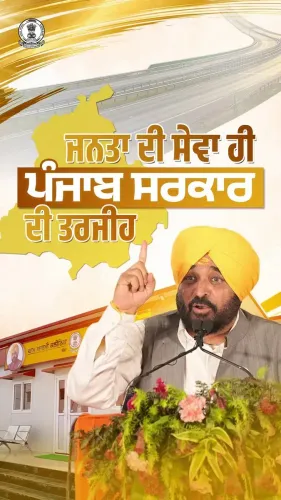
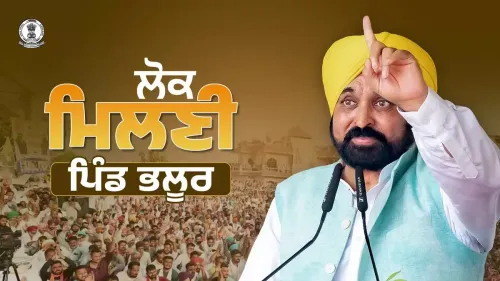
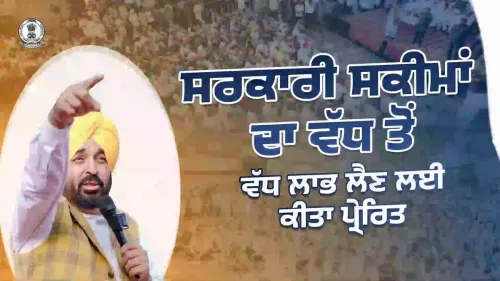
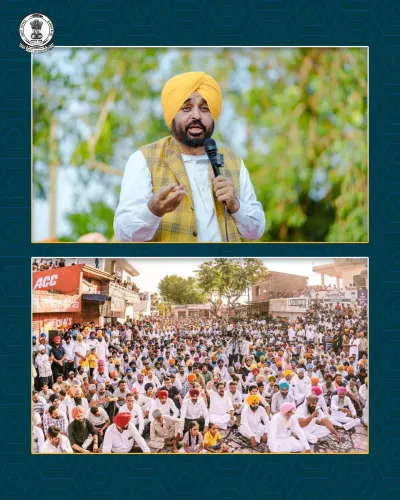
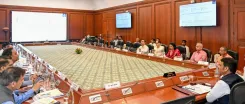
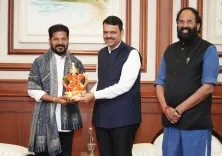
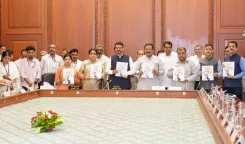
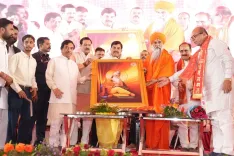
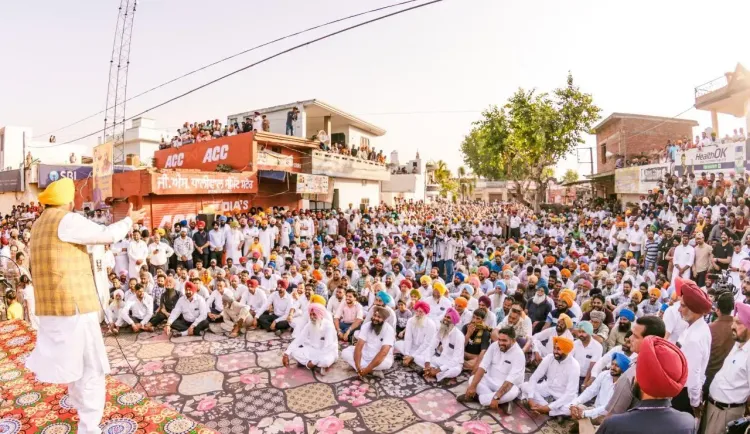
CM Bhagwant Mann hands Rs 51 lakh cheque to Shamshpur village
Synopsis
Punjab Chief Minister Bhagwant Mann handed a Rs 51 lakh development cheque to village Shamshpur in Amloh on 9 June 2026, citing zero electricity bills for 90% of households, 14,000 km of irrigation pipelines, and merit-based government jobs as markers of AAP governance.
Key Takeaways
Rs 51 lakh development cheque handed to village Shamshpur , Amloh , on 9 June 2026 .
CM Bhagwant Mann claims 90 per cent of Punjab households are now receiving zero electricity bills.
The government states 14,000 kilometres of pipes have been laid to supply canal water to agricultural fields.
Government school students are clearing competitive examinations; youth are being recruited to state jobs on merit without bribes, per Mann.
The visit is part of AAP's broader rural outreach strategy contrasting its record with previous Congress and SAD-BJP administrations.
Utilisation certificates for disbursed village funds and a state budget review of the electricity subsidy are the next accountability markers to watch.
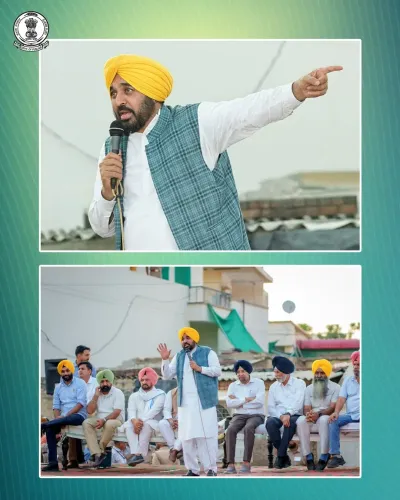
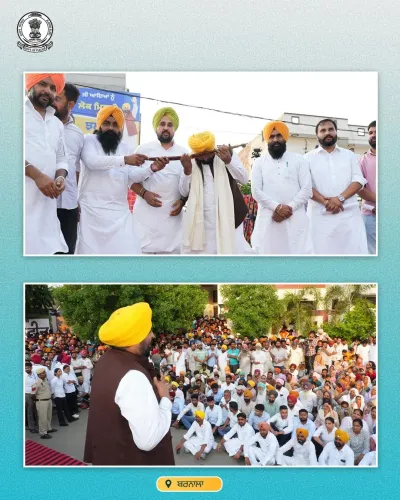
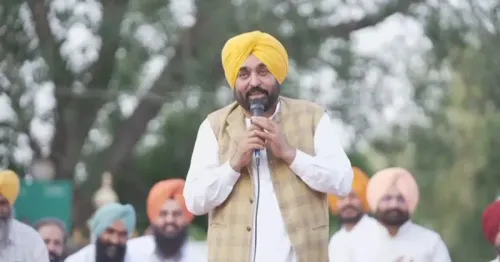
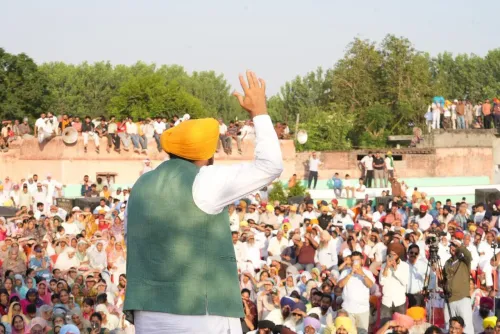
Punjab Chief Minister Bhagwant Mann visited village Shamshpur in Amloh tehsil on Tuesday, 9 June 2026, where he handed over a cheque of Rs 51 lakh for local development and cited a series of governance milestones his government claims to have achieved across the state.
Context
Addressing residents — and specifically acknowledging the blessings of mothers in the village — Mann contrasted his government's record with what he described as the 'looting' of previous administrations. In the post, he wrote: 'ਪੁਰਾਣੀਆਂ ਸਰਕਾਰਾਂ ਦੀ ਲੁੱਟ ਤੋਂ ਉਲਟ, ਅਸੀਂ ਪੰਜਾਬ ਦੇ ਨਿਰੋਲ ਵਿਕਾਸ ਲਈ ਕੰਮ ਕਰ ਰਹੇ ਹਾਂ' ['Unlike the plunder of previous governments, we are working for the genuine development of Punjab']. The visit to Shamshpur, a village in Fatehgarh Sahib district, is part of an ongoing outreach pattern in which the Chief Minister travels to rural constituencies to disburse development funds and highlight welfare outcomes directly to beneficiaries.
Policy Backdrop
The Aam Aadmi Party came to power in Punjab in 2022 on a manifesto that included a promise of up to 300 units of free electricity per month to households. Mann claimed on Tuesday that 90 per cent of households in the state are now receiving zero electricity bills. He also cited the laying of 14,000 kilometres of pipes to deliver canal water directly to agricultural fields — a long-standing demand of Punjab's farming community, which depends heavily on groundwater and has faced irrigation access issues for decades.
On employment, the AAP government has maintained since 2022 that recruitment to government posts is being conducted purely on merit, without interviews in several departments, as a safeguard against bribery. Mann reiterated on Tuesday that 'youth are getting jobs on pure merit, without any bribe.' He also pointed to improved results among students of government schools as evidence of educational reform.
Stakeholders and Impact
The Rs 51 lakh development cheque handed to Shamshpur is intended to fund village-level infrastructure. Rural households, Punjab farmers dependent on canal irrigation, government school students, and unemployed youth are the primary beneficiaries the government identifies in its messaging. The visit draws attention to Amloh, a tehsil in Fatehgarh Sahib, a region where rural welfare delivery is a significant political concern.
Farmers in the region have historically struggled with erratic canal water supply, making the pipeline expansion — if fully realised — a consequential intervention for agricultural productivity and groundwater conservation. Similarly, the electricity subsidy directly reduces household expenditure for a large share of the state's population.
What's Next
Observers will watch for the release of utilisation certificates for village development funds disbursed during such visits, which would confirm on-ground deployment of the amounts announced. The state's mid-term budget review is also expected to shed light on the fiscal sustainability of the free electricity scheme. The AAP government's continued rural outreach signals that consolidating support in constituencies like Amloh ahead of future electoral cycles remains a priority, with welfare delivery as the central political argument.
Point of View
Mann is reinforcing an anti-incumbency argument against rivals even outside an immediate election cycle. The emphasis on mothers' blessings and merit-based jobs signals an appeal to both emotional and aspirational registers in rural Punjab. Whether the claimed infrastructure and subsidy numbers translate into sustained electoral goodwill will depend on how consistently delivery is perceived at the ground level.
NationPress
26 Oct 2026
Frequently Asked Questions
Why did Bhagwant Mann visit Shamshpur village in Amloh?
CM Bhagwant Mann visited village Shamshpur in Amloh tehsil on 9 June 2026 to hand over a Rs 51 lakh development cheque and to highlight his government's welfare achievements including free electricity and irrigation infrastructure.
What is the free electricity scheme in Punjab?
The AAP government in Punjab promised up to 300 units of free electricity per month to households as part of its 2022 election manifesto. CM Mann claimed on 9 June 2026 that 90 per cent of households are now receiving zero electricity bills.
How many kilometres of irrigation pipes has the Punjab government laid?
CM Bhagwant Mann stated that 14,000 kilometres of pipes have been laid to supply canal water directly to agricultural fields across Punjab, addressing long-standing irrigation access concerns of farmers.
Is Punjab giving government jobs without bribery?
The AAP Punjab government has maintained since 2022 that recruitment to several government departments is conducted on pure merit without interviews, as a measure to eliminate bribery. CM Mann reiterated this claim during his Shamshpur visit on 9 June 2026.
Where is Shamshpur village located in Punjab?
Shamshpur is a village in Amloh tehsil, which falls under Fatehgarh Sahib district in Punjab, India.