Mann Ki Baat: PM Modi spotlights Mumbai's Krishna Seshadri and his history website bharatrajya.com
Synopsis
A Mumbai engineer with no formal history background built a website that lets anyone map India's rulers and dynasties by selecting a year — and PM Modi liked it enough to call him live on Mann Ki Baat. bharatrajya.com is now set for a national audience it never had before.
Key Takeaways
PM Modi highlighted Krishna Seshadri and his website www.bharatrajya.com on the 137th episode of Mann Ki Baat on 30 August .
The site allows users to select any year and instantly see which ruler or dynasty governed each part of India at that time.
Seshadri, a Mumbai -based engineer with no formal history background, built the platform to make Indian history more accessible.
Modi praised the site's community feature, which lets visitors suggest or correct historical information.
Seshadri named Rajendra Chola , Hemu , and Tribhuvana Mahadevi as the three historical figures he would most want to speak with.
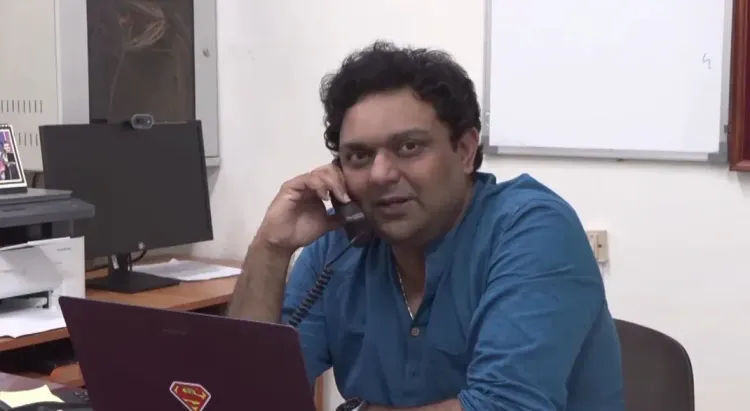
Prime Minister Narendra Modi on Sunday, 30 August used the 137th episode of his monthly radio programme 'Mann Ki Baat' to spotlight Mumbai-based engineer Krishna Seshadri, who built a specialised interactive history website — www.bharatrajya.com — that lets users map rulers and dynasties across India by selecting any year in history.
What bharatrajya.com Does
The website offers a deceptively simple interface: a visitor selects any particular year and instantly sees which ruler or dynasty governed each part of the Indian subcontinent during that era. Modi described the concept as 'quite interesting' and said he sought out more information after first encountering a reference to the project on social media.
Seshadri had originally announced the initiative on Ashaadha Ekadashi, writing that he was 'embarking on an initiative to make history interesting.' The post caught the Prime Minister's attention and led to a direct conversation on air.
Engineer Turned Amateur Historian
'I came to know that you are neither from the world of tech nor a history teacher. Even then, you made a history website using technology. I am very curious to know how all this happened,' Modi asked Seshadri during the broadcast.
Seshadri explained that despite coming from an engineering background, he had always been drawn to history. 'I thought of making a website to introduce the great empires of the nation to the people,' he told the Prime Minister. The site also includes a section where visitors can suggest corrections or additions — a feature Modi specifically praised for its openness to community input.
Three Figures from History Seshadri Would Meet
Modi posed a lighter question: if Seshadri could speak to any three people from Indian history, who would he choose? Seshadri named three figures that reflect the breadth of his historical interests.
First, Rajendra Chola — one of the most celebrated rulers of the Chola dynasty — to understand the architecture of that era. Second, Hemu, an ordinary trader who rose to build an empire and reportedly won 22 of the 23 battles he fought. Third, Tribhuvana Mahadevi of the Bhauma-Kara dynasty of Odisha. 'It seems that you are living history. You are completely immersed in history,' Modi responded.
Why This Moment Matters
The shoutout from one of India's most-listened-to radio programmes is likely to drive a significant surge in traffic to bharatrajya.com. Notably, citizen-led digital history projects of this kind remain rare in India, where institutional archives are often inaccessible to the general public. Seshadri's work represents a grassroots attempt to bridge that gap using freely available web technology.
This comes amid a broader national conversation around making India's historical heritage more accessible — a theme Modi has returned to repeatedly across his Mann Ki Baat episodes. With the Prime Minister's endorsement now on record, Seshadri's project is poised to reach a far wider audience than a solo engineer could have managed independently.
Point of View
Which raises a quiet question about sustainability. Seshadri built bharatrajya.com without institutional backing; viral attention can be as disruptive as it is rewarding. More broadly, the episode underscores how thin India's public digital history infrastructure remains: a single engineer filling a gap that state archives and universities have not. If the government is serious about historical accessibility, citizen projects deserve structured support, not just on-air applause.
NationPress
30 Aug 2026
Frequently Asked Questions
What is bharatrajya.com?
bharatrajya.com is an interactive history website built by Mumbai engineer Krishna Seshadri that allows users to select any year and see which ruler or dynasty governed each part of India at that time. It was created to make Indian history more accessible to the general public.
Who is Krishna Seshadri?
Krishna Seshadri is a Mumbai-based engineer with no formal background in history or professional tech who independently built bharatrajya.com. He announced the initiative on Ashaadha Ekadashi and was featured by PM Modi on the 137th episode of Mann Ki Baat on 30 August.
What did PM Modi say about bharatrajya.com on Mann Ki Baat?
PM Modi said he found the website 'quite interesting' after first seeing a reference to it on social media, and specifically praised its community feature that lets visitors suggest or correct historical information. He described Seshadri as someone who is 'completely immersed in history.'
Which historical figures did Krishna Seshadri say he would like to meet?
Seshadri named three figures: Rajendra Chola of the Chola dynasty, for insights into the architecture of his era; Hemu, a trader-turned-ruler who won 22 of 23 battles; and Tribhuvana Mahadevi of the Bhauma-Kara dynasty of Odisha.
How does bharatrajya.com work?
Users visit the website, select a specific year, and the site displays a map showing which ruler or dynasty controlled each region of India during that period. It also has a section for community suggestions and corrections.