Jharkhand SIR constitutional, govt misleading: Babulal Marandi
Synopsis
Jharkhand LoP Babulal Marandi has rejected the state government’s SIR resolution, calling the ECI drive constitutional and accusing Ranchi of misleading voters. He cited 14.5 lakh untraceable electors, 7,62,903 listed as dead, and alleged foreign nationals holding Aadhaar and voter IDs in Jamshedpur and Garhwa.
Key Takeaways
Babulal Marandi on Wednesday opposed the Jharkhand government’s resolution on the SIR of electoral rolls in the Assembly in Ranchi .
He said the Election Commission exercise is entirely constitutional and legal and accused the state government of misleading people.
He cited about 14.5 lakh untraceable voters, 7,62,903 listed as dead, 15,92,194 as permanently migrated, and 4,38,596 registered at more than one location.
He alleged the special session was convened without a Council of Ministers meeting and objected to data presented by Parliamentary Affairs Minister Radhakrishna Kishore .
SIR will continue till 15 December , with the final electoral roll due on 22 December .
Marandi rejected claims that SIR revokes citizenship and said it does not target any particular community.
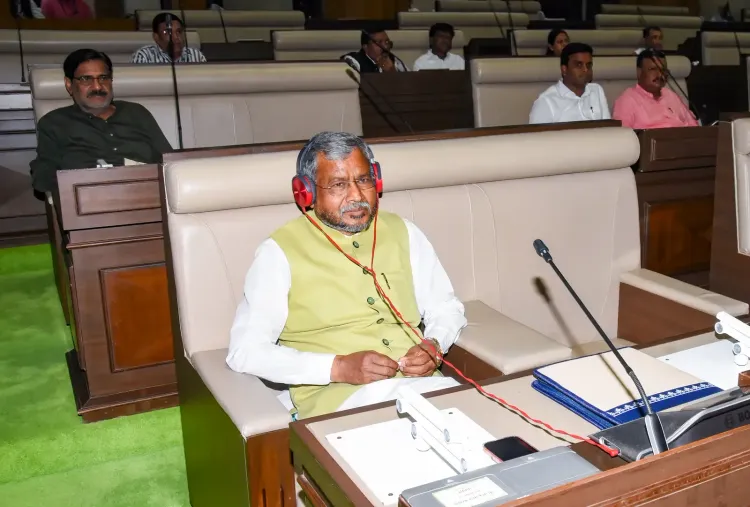
Leader of the Opposition in the Jharkhand Assembly, Babulal Marandi, on Wednesday opposed the state government’s resolution on the Special Intensive Revision (SIR) of electoral rolls, declaring the Election Commission of India exercise entirely constitutional and legal and accusing the government of misleading people. The confrontation unfolded on the first day of a special session of the Assembly in Ranchi.
Opposition to the government resolution
Marandi maintained that the voter list needed to be thoroughly scrutinised so that no eligible voter was excluded and no ineligible person remained on the rolls. He asserted that attempts to undermine the statutory powers of the Election Commission through political resolutions should not be accepted.
The BJP leader said SIR was not a new exercise and that electoral rolls had been revised several times even during the Congress regime. He also rejected the claim that the exercise amounted to revoking anyone’s citizenship. Notably, he maintained that SIR was not intended to target any particular community.
He said the revision process was initiated in 1952 and stressed that the objective was to ensure transparency while protecting the voting rights of every eligible citizen.
Data cited in the House
Objecting to the data presented by Parliamentary Affairs Minister Radhakrishna Kishore in the House, Marandi said that the absence of a name from the draft electoral roll, the issuance of a notice and the final deletion of a name were three different matters. He accused the government of misleading the public by presenting these as interconnected developments.
Citing electoral data, Marandi claimed that approximately 14.5 lakh voters in Jharkhand were untraceable. He said that 7,62,903 voters listed before the SIR exercise had been found dead, while 15,92,194 voters had permanently migrated from the state. Additionally, 4,38,596 voters were registered at more than one location. He said these cases required proper investigation.
How the special session was convened
Marandi also questioned the procedure adopted for convening the special session, claiming that the Council of Ministers had not held a meeting to approve the decision. He alleged that the Assembly session had been called in anticipation of Cabinet approval.
This comes amid a politically charged debate in the House over the Election Commission’s SIR of electoral rolls. Marandi argued that a political resolution should not be used to dilute the poll panel’s statutory powers, and that the rolls must be cleaned without shutting out eligible citizens.
Alleged foreign nationals and forged documents
The BJP leader also referred to alleged instances of foreign nationals living in Jamshedpur and Garhwa for several years, claiming that some Afghans and Iranians possessed ration cards, Aadhaar cards and voter identity cards.
He further mentioned an FIR registered against five people for preparing forged documents. Citing an instance in which a father and son reportedly had an age difference of just one year, he said such discrepancies needed to be investigated.
On illegal immigration, Marandi said that people entering India illegally from Bangladesh, Pakistan and Afghanistan were infiltrators, while minority Hindus fleeing religious persecution in these countries should be treated as refugees.
SIR timeline and what happens next
He said the ongoing exercise would continue until 15 December, with the final electoral roll scheduled for publication on 22 December. He reiterated that the aim was transparency alongside protection of every eligible citizen’s franchise.
The special session’s remaining sittings will show whether the government’s resolution proceeds despite the Opposition’s objections, even as the Commission stays on its notified calendar through 22 December.
Point of View
Migration and the Election Commission’s autonomy. Marandi’s data — dead voters, duplicates, untraceable names — is meant to recast the government’s resolution as a defence of a bloated roll rather than of genuine electors. What often gets less attention is his procedural charge: a special session allegedly called without Cabinet clearance, which, if true, undercuts the moral force of any House vote against a constitutional body. The test is not the resolution’s wording but whether the 22 December final roll is accepted as cleaner — or dismissed as politically engineered — and whether this Centre-state clash over ECI powers travels to other states.
NationPress
25 Nov 2026
Frequently Asked Questions
What did Babulal Marandi say about the SIR of electoral rolls in Jharkhand?
Leader of the Opposition Babulal Marandi said the Special Intensive Revision being conducted by the Election Commission of India is entirely constitutional and legal. He opposed the Jharkhand government’s resolution on SIR and accused the state government of misleading people.
Why did Marandi oppose the Jharkhand Assembly resolution on SIR?
Marandi opposed the resolution on the ground that political resolutions should not be used to undermine the statutory powers of the Election Commission. He said the voter list must be scrutinised so that no eligible voter is excluded and no ineligible person remains on the rolls.
How many untraceable voters did Marandi cite in Jharkhand?
Marandi claimed that approximately 14.5 lakh voters in Jharkhand were untraceable. He also said 7,62,903 voters listed before SIR had been found dead, 15,92,194 had permanently migrated, and 4,38,596 were registered at more than one location.
When will the SIR exercise in Jharkhand be completed?
Marandi said the ongoing SIR exercise would continue until 15 December, with the final electoral roll scheduled for publication on 22 December. He noted that intensive revision of rolls dates back to 1952.
Did Babulal Marandi say SIR revokes citizenship?
No. Marandi rejected the claim that SIR amounted to revoking anyone’s citizenship. He said the exercise was not intended to target any particular community and that its aim was transparency while protecting the voting rights of every eligible citizen.