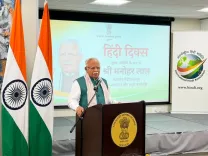
Maratha quota needs legal backing, not Chhatrapati signature: Maha minister
Synopsis
A Chhatrapati descendant sitting in Maharashtra's cabinet has drawn a hard line: the Maratha quota cannot be unlocked by family symbolism — it needs courtroom-proof legal architecture. With activist Manoj Jarange Patil announcing an indefinite hunger strike from 19 September and directly targeting CM Devendra Fadnavis, the standoff is heading toward its sharpest flashpoint yet.
Key Takeaways
Maharashtra Public Works Minister Shivendrasinhraje Bhosale stated on 14 September 2026 that Maratha reservation requires a legal framework, not merely the Chhatrapati family's signature.
He cited the Justice Shinde Committee process and judicial scrutiny as essential steps before any reservation can be granted sustainably.
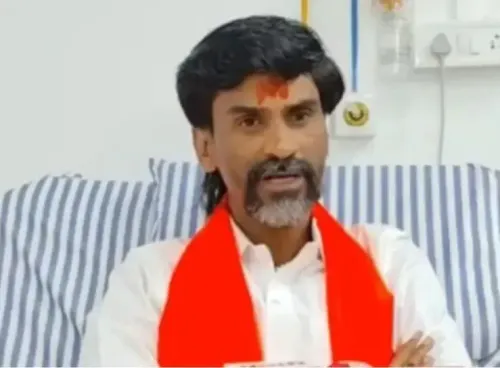
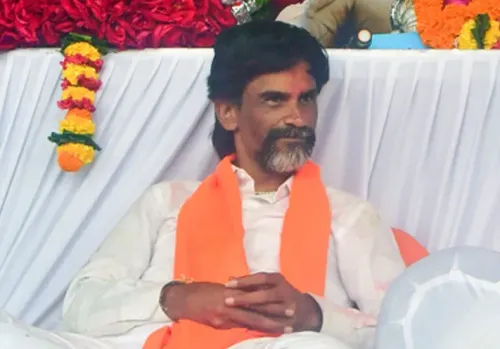
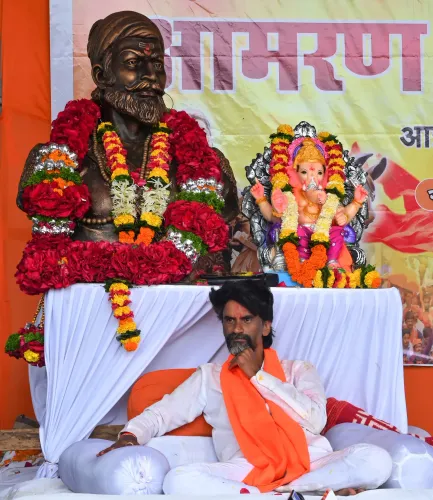
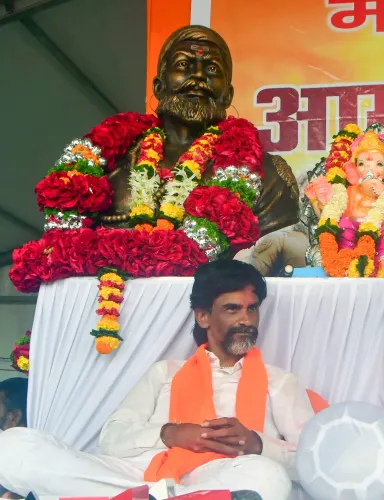
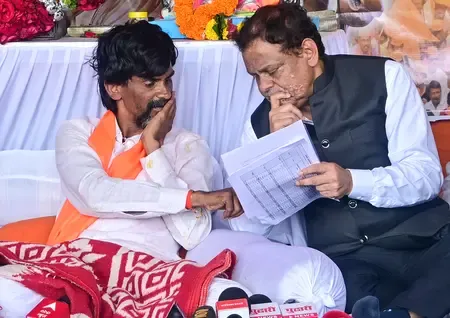
Activist Manoj Jarange Patil announced an indefinite hunger strike beginning 19 September in Mumbai .
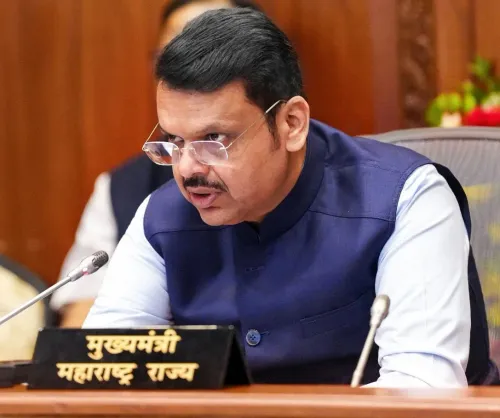
Jarange Patil alleged Chief Minister Devendra Fadnavis is using political tactics to suppress the Maratha agitation.
He claimed 5.5 crore working-class Marathas could block Mumbai and asked the community to vote only for those who deliver reservation.
A previous Maratha quota under the SEBC Act was struck down by the Supreme Court in 2021 for breaching the 50% reservation ceiling.
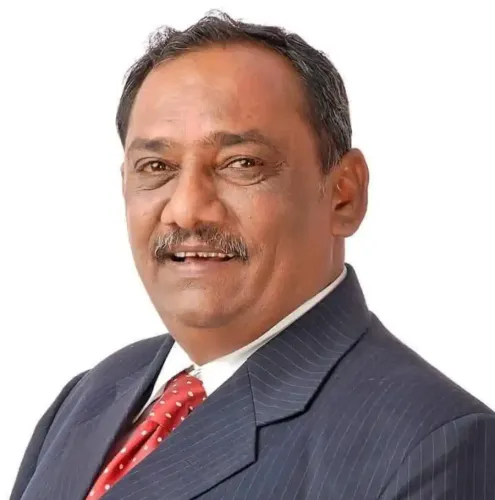
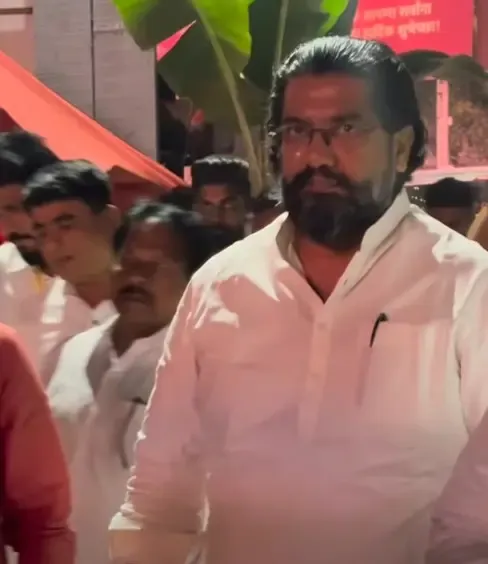
Maharashtra Public Works Minister Shivendrasinhraje Bhosale, a descendant of Chhatrapati Shivaji Maharaj, on Monday, 14 September 2026, stated that the Maratha reservation issue cannot be resolved simply by obtaining the signature of the Chhatrapati family. Speaking to reporters in Satara, he underscored that a durable solution demands a robust legal framework, full judicial scrutiny, and the completion of all administrative requirements.
What the Minister Said
Minister Bhosale was unequivocal that the Maharashtra government remains committed to granting reservation to the Maratha community, but cautioned against rushed or legally fragile measures. 'Rather than making a rushed, temporary decision that deceives the community, it is crucial to secure a legally robust reservation that will stand up in court,' he said.
He stressed that without compiling all necessary evidence and completing due administrative procedures, any reservation granted would not be sustainable. 'This entire process will have to go through the work of the Justice Shinde Committee, guidance from retired judges, and judicial scrutiny. One must understand the reality that this matter will not be solved overnight just because someone from the Chhatrapati family signs on it,' Bhosale remarked.
Appeal to Jarange Patil
The minister also appealed to prominent Maratha quota activist Manoj Jarange Patil to cooperate with the ongoing legal process rather than escalating agitation. Bhosale urged protesters to exercise patience and extend support to administrative efforts so that the community receives reservation 'as a matter of right.'
His remarks came directly after Jarange Patil announced an indefinite hunger strike beginning 19 September in Mumbai, demanding Maratha reservation. Refusing to stand down, Jarange Patil called upon the community to remain firm. 'We cannot let the Maratha community lose. Wherever my body falls, it falls. But Marathas must fight with such pride that future generations hold their heads high, saying that he died but never backed down,' he declared.
Jarange Patil's Escalation and Political Charge
Jarange Patil went further by targeting Chief Minister Devendra Fadnavis, alleging a deliberate political strategy to suppress the agitation. 'We have to counter Devendra Fadnavis's moves step for step. Their strategy has been to use the cover of deities to defame the Maratha movement, instigate riots through infiltrators, and then use police force to crush the protest,' he alleged.
He also warned community members to disregard party loyalties when voting, stating that personal preference for a party or leader is 'useless' if they do not secure the community's future. Notably, he claimed that the 5.5 crore working-class Marathas could block Mumbai at any moment, contrasting the community's scale against what he described as a small fraction of political and wealthy elites.
Background and Stakes
The Maratha reservation demand has persisted for over a decade, surviving multiple court challenges. A previous quota granted under the Socially and Educationally Backward Classes (SEBC) Act was struck down by the Supreme Court in 2021 on grounds of exceeding the 50% reservation ceiling. The Justice Shinde Committee referenced by Minister Bhosale is tasked with compiling empirical backwardness data that could form the legal backbone of a fresh bid.
With Jarange Patil's hunger strike set to begin on 19 September and a politically charged atmosphere in Maharashtra, the government faces mounting pressure to demonstrate tangible progress before the agitation intensifies further.
Point of View
And it implicitly acknowledges the political vacuum the government has left by not accelerating the Justice Shinde Committee's timeline. Jarange Patil's escalation to an indefinite hunger strike and his direct attack on Fadnavis signals a shift from protest to political mobilisation — a dynamic the ruling coalition cannot afford to misread ahead of any future electoral cycle. The deeper contradiction is that the government simultaneously claims to be building a legally bulletproof case while offering no credible timeline, leaving the community with process but no promise.
NationPress
14 Sept 2026
Frequently Asked Questions
What did Maharashtra minister Shivendrasinhraje Bhosale say about Maratha reservation?
Minister Bhosale stated on 14 September 2026 that Maratha reservation cannot be resolved through the Chhatrapati family's signature alone, and instead requires a legal framework, judicial scrutiny via the Justice Shinde Committee, and completion of all administrative procedures. He urged activist Manoj Jarange Patil to cooperate with this legal process.
What is Manoj Jarange Patil's hunger strike about?
Manoj Jarange Patil announced an indefinite hunger strike beginning 19 September 2026 in Mumbai, demanding Maratha reservation. He has called on the community to remain firm, alleging that the government is using political tactics to suppress the agitation.
Why has previous Maratha reservation been struck down in court?
The Supreme Court struck down the Maratha quota granted under the Socially and Educationally Backward Classes (SEBC) Act in 2021, ruling that it breached the 50% reservation ceiling set by earlier constitutional judgments. The Justice Shinde Committee is now tasked with building empirical evidence to support a fresh legal bid.
What is the Justice Shinde Committee?
The Justice Shinde Committee is a government-appointed body tasked with compiling data on the social and educational backwardness of the Maratha community. Minister Bhosale cited its work as a mandatory step before any reservation can be legally sustained in court.
What did Jarange Patil say about Chief Minister Devendra Fadnavis?
Jarange Patil alleged that CM Devendra Fadnavis has pursued a deliberate strategy to defame the Maratha movement, instigate unrest through infiltrators, and use police force to suppress protests. He urged the community to vote only for leaders who concretely secure Maratha reservation, regardless of party affiliation.