Can May Losar Bring Peace and Prosperity?
Click to start listening
Synopsis
Ladakh's Lt Governor, Kavinder Gupta, extends warm wishes for Losar, the Tibetan New Year festival, emphasizing hopes for peace and prosperity. Losar features vibrant celebrations, deep-rooted traditions, and a rich cultural heritage that showcases Ladakh's Buddhist roots.
Key Takeaways
- Losar marks the Tibetan New Year, celebrated with joy and devotion.
- The festival promotes peace, prosperity, and community harmony.
- Celebrations include traditional music, dance, and feasting.
- Losar has deep historical roots, pre-dating Buddhism in Tibet.
- The event showcases Ladakh's vibrant cultural heritage and Buddhist traditions.
Leh, Dec 20 (NationPress) The Lt Governor of Ladakh, Kavinder Gupta, on Saturday offered heartfelt wishes to the citizens for the celebration of Losar, a pivotal festival in this area that signifies the commencement of the Tibetan New Year.
The Lt Governor expressed his aspirations for peace and harmony for all during this significant time.
Via a message on X, he stated: "On this auspicious occasion of Losar, the traditional New Year, celebrated with devotion and joy throughout Ladakh, I extend my warmest greetings and best wishes to the people of Ladakh and everyone participating in this festival. May Losar herald peace, prosperity, and harmony for all."
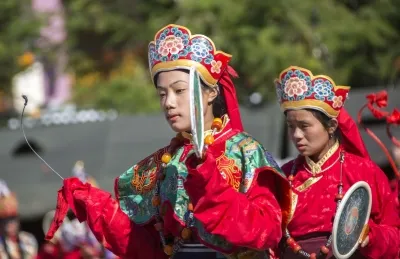
Losar in Ladakh represents the lively Tibetan New Year and is a major Buddhist festival, celebrated with prayers, traditional music, and masked dances known as cham, alongside feasting and rituals that symbolize the welcoming of abundance and the dispelling of malevolent spirits.
This festival typically occurs around December or January, illuminating the region with lights, cultural performances, and deep spiritual fervor within monasteries and homes.
Festivities include cleaning homes, crafting dough models of the sun and moon, preparing special dishes, and organizing evening torchlight parades referred to as 'Metho'.
Losar provides a unique opportunity to experience the rich Buddhist culture of Ladakh, merging ancient practices with vibrant celebrations and community gatherings.
Historically, Losar predates the introduction of Buddhism in Tibet and originates from a winter incense-burning ritual associated with the Bon religion. The Tibetan New Year is calculated by adding the current year to 127 BCE, commemorating the establishment of the Yarlung dynasty.
During the reign of the ninth Tibetan king, Pude Gungyal (317–398), this practice is thought to have merged with a harvest festival, ultimately evolving into the annual Losar celebration.
Losar is celebrated over a period of 15 days, with the main events occurring during the initial three days. On the first day of Losar, a traditional drink known as changkol is made from chhaang, a Tibetan-Nepali beer-like beverage.
The second day is recognized as the King's Losar, or gyalpo losar. This festival is traditionally preceded by a five-day practice of Vajrakilaya.
As the Uyghurs adopted the Chinese calendar, and both the Mongols and Tibetans embraced the Uyghur calendar, Losar often coincides with or is closely timed to the Chinese New Year and the Mongolian New Year.
However, the customs tied to Losar are unique to Tibet and predate any Indian or Chinese cultural influences.
Point of View
It is essential to highlight the significance of cultural events like Losar, which not only strengthen community bonds but also enrich the cultural fabric of our nation. Celebrations such as these are a testament to our diversity and shared heritage, and they remind us of the importance of peace and harmony in today’s world.
NationPress
21/12/2025
Frequently Asked Questions
What is Losar?
Losar is the Tibetan New Year festival celebrated in Ladakh and other regions, marking the start of a new year with various cultural rituals and festivities.
How long does the Losar festival last?
Losar celebrations typically span 15 days, with the main events occurring during the first three days.
What are common traditions during Losar?
Traditions include cleaning homes, preparing special meals, performing traditional dances, and engaging in community gatherings.
What does Losar symbolize?
Losar symbolizes the welcoming of prosperity and the dispelling of evil spirits, promoting peace and harmony within communities.
How is Losar connected to Buddhism?
Losar is a major Buddhist festival that integrates various cultural and religious practices, reflecting the rich Buddhist heritage of the region.