Will the Philippines Maintain Its Sugar Import Ban Until December 2026?
Synopsis
The Philippines has decided to extend its sugar import ban until December 2026, aiming to bolster local production. This significant policy shift reflects the government's commitment to stabilize the market amidst improving conditions. Stay tuned for the latest updates on this vital agricultural decision.
Key Takeaways
Extended sugar import ban: Effective until December 2026.
Focus on local production: Aimed at protecting domestic producers.
Market stabilization: Essential as supply conditions improve.
Manufacturing growth: Positive trends noted in various sectors.
Enhanced monitoring: Increased oversight of sugar refinery operations.
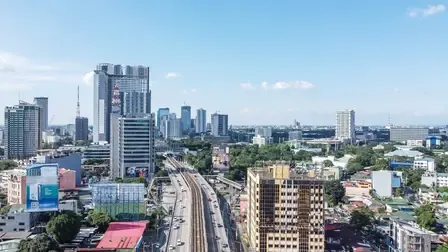
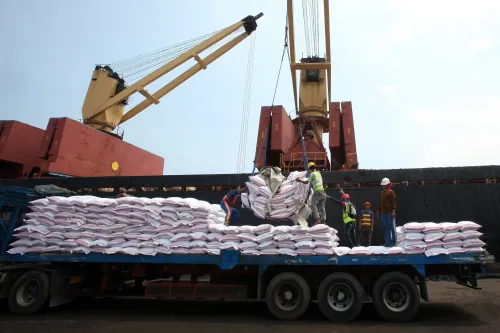
Manila, Dec 21 (NationPress) The Department of Agriculture of the Philippines announced on Sunday that the prohibition on sugar imports will remain effective until December of next year, providing continued protection for local producers as supply conditions improve.
"Given the current projections for both sugar production and demand, a more extended import moratorium than initially proposed is essential," stated Agriculture Secretary Francisco Tiu Laurel, according to Xinhua News Agency.
He highlighted the increase in domestic raw sugar production and underscored that this policy aims to prioritize locally sourced sugar while aiding in market stabilization.
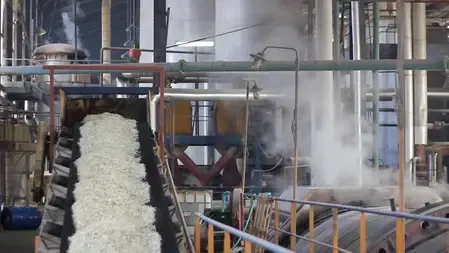
As the chair of the Sugar Board, the governing body of the Sugar Regulatory Administration, Tiu Laurel indicated that the agency will enhance its monitoring of refinery operations to ensure an accurate assessment of both standard and premium-grade refined sugar stocks.
On December 9, the Philippine Statistics Authority (PSA) reported that the country's manufacturing output saw a rise in October, with the value of the production index (VaPI) increasing by 1.7% year-on-year, up from 1.6% in September.
The volume of production index (VoPI) grew 1.4%, compared to 0.8% the previous month. This growth in the manufacturing sector's VaPI was largely driven by a significant increase in the production of computer, electronic, and optical products, which surged by 16.8% and represented 60.1% of the sector's overall growth.
Additional support came from a slower annual decline in chemicals and chemical products at 23.5% and a rebound in the manufacturing of wood, bamboo, cane, and rattan at 15.1%.
Among the remaining 19 industry divisions, 13 recorded year-on-year increases while six showed declines.
The primary contributors to the year-on-year growth of the manufacturing VaPI in October included the production of computer, electronic, and optical products, food items, and basic pharmaceutical products and preparations.
Point of View
It is vital to recognize the implications of the Philippines' extension of the sugar import ban. This decision reflects a strategic approach to bolster local producers while ensuring market stability. The evolving supply conditions present an opportunity for domestic growth, vital for the nation's agricultural landscape.
NationPress
30 Sept 2026
Frequently Asked Questions
Why has the Philippines extended the sugar import ban?
The extension aims to protect local sugar producers and stabilize the market as domestic supply conditions improve.
What does the sugar import ban mean for consumers?
Consumers may experience stable sugar prices and a focus on locally produced sugar, which can enhance quality and availability.
How does this impact the Philippines' economy?
Supporting local production is expected to strengthen the agricultural sector, contributing positively to the overall economy.