Why is Mayawati Calling for Extended SIR Timeframe and Candidate Accountability?
Synopsis
In a bold move, BSP chief Mayawati demands urgent electoral reforms, including a longer timeframe for the SIR process and greater accountability for candidates with criminal records. Discover the implications of her proposals for the electoral system and voter rights in India.
Key Takeaways
Urgent Need for Electoral Reform: Mayawati stresses the importance of reforming the current electoral process.
Accountability for Candidates: Candidates must be held solely responsible for their criminal records.
Public Trust Issues: The call for reverting to ballot paper voting reflects growing concerns about EVM reliability.
Voter Inclusion: An extended SIR timeframe is essential to include all eligible voters, especially marginalized groups.
National Interest: Enhancing electoral integrity is crucial for the nation's democratic health.
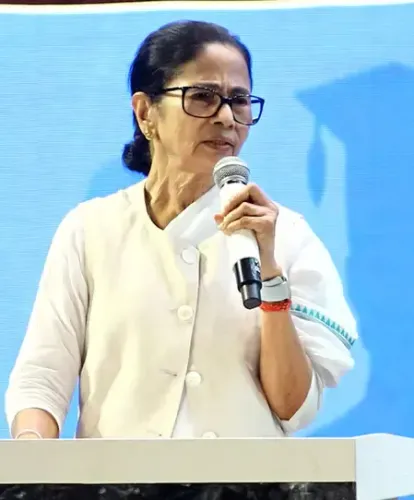
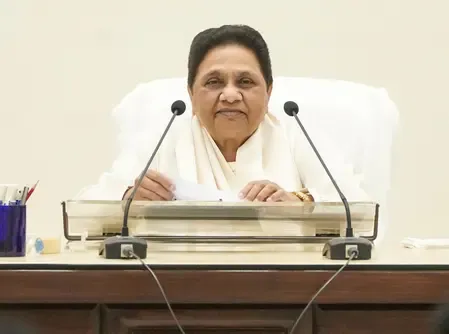
Lucknow, Dec 9 (NationPress) In the midst of the ongoing discussions surrounding electoral reforms within the Lok Sabha, Mayawati, leader of the Bahujan Samaj Party (BSP), on Tuesday appealed to the Central Government and the Election Commission to adopt three pivotal reforms aimed at enhancing transparency and safeguarding the rights of voters.
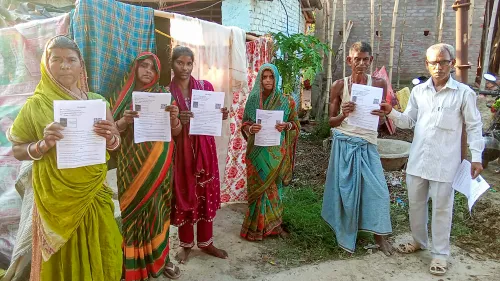
The BSP chief asserted that the existing duration for the Special Intensive Revision (SIR) of electoral rolls is excessively brief. This not only places undue stress on Booth Level Officers (BLOs) but also raises the risk of excluding genuine voters, particularly among the underprivileged, migrant workers, and daily wage earners, from voter registrations.
In a detailed post on X, Mayawati emphasized that hastily completing the SIR is unsuitable in a populous state like Uttar Pradesh, which boasts over 15.40 crore voters and does not face any imminent elections.
She cautioned that such a hurried process could strip many eligible individuals of their constitutional voting rights, a privilege enshrined by Dr. B.R. Ambedkar. She urged for an immediate extension of the SIR period.
Additionally, Mayawati voiced her apprehensions regarding the Supreme Court-mandated disclosure of criminal cases by candidates. Presently, candidates are required to disclose their criminal history in affidavits and local newspapers, while political parties must publish this information on a national scale.
She pointed out that candidates often conceal criminal charges from their respective parties, leading to unexpected complications during scrutiny. This situation unfairly places the onus on political parties.
"All responsibilities concerning criminal cases should rest solely with the candidate," she stated, adding: "If a candidate conceals information about pending cases, all legal accountability should lie with them—not the party."
The BSP leader also reiterated her concerns regarding Electronic Voting Machines (EVMs). To restore public confidence in the electoral process, she advocated for a return to ballot paper-based voting.
"If reverting to paper is not immediately achievable, then at a minimum, 100% of VVPAT slips at every polling booth must be tallied and reconciled with EVM data," she argued.
Dismissing the Election Commission’s claim that such procedures would prolong result announcements, Mayawati remarked that in a scenario where elections already extend over several months, adding a few more hours for counting should not pose a challenge.
"This will bolster public trust in the electoral system and eliminate uncertainties regarding the process. It serves the national interest," she concluded.
Point of View
It's crucial to recognize the gravity of Mayawati's call for electoral reforms. Her focus on voter rights and candidate accountability resonates deeply in today's political landscape, highlighting the need for transparency and integrity in elections. The call for reverting to ballot papers also reflects growing public sentiment regarding trust in electoral processes. The Nation remains committed to advocating for reforms that uphold democratic values.
NationPress
1 Oct 2026
Frequently Asked Questions
What is Mayawati's stance on the SIR timeframe?
Mayawati believes the current SIR timeframe is insufficient and calls for an immediate extension to ensure all eligible voters are included.
What reforms is Mayawati advocating for regarding candidates?
She is advocating for candidates to be solely responsible for disclosing their criminal records, ensuring transparency and accountability.
What concerns does Mayawati have about EVMs?
She expresses concerns about public trust in EVMs and suggests a return to ballot papers or at least full verification of VVPAT slips.