Kirodi Lal Meena vows to protect reservation: 'No one can touch it'
Synopsis
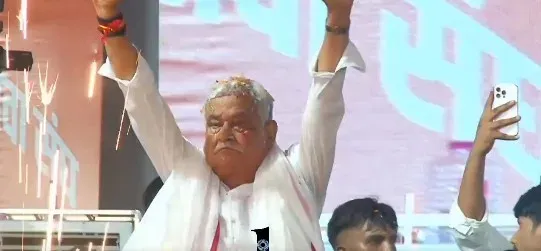
At a packed Tribal Festival in Dausa, Rajasthan Agriculture Minister Dr Kirodi Lal Meena drew a personal red line on reservation — declaring no one could 'touch' it while he lived. Coming amid national debate on affirmative action, the pledge from a minister who claims 600 movements and 17 jail terms carries both political weight and community symbolism.
Key Takeaways
Dr Kirodi Lal Meena , Rajasthan Agriculture Minister, pledged on 10 August that reservation will not be abolished as long as he is alive.
The statement was made at the Panch Athai Tribal Festival in Nangal Pyarivas, Dausa , on the second day of World Tribal Day celebrations.
Meena said he had participated in around 600 movements , been jailed 17 times , and faced 138 legal cases .
A crowd of around 50,000 people was referenced in his account of how Panch Athai earned the name 'Meena High Court' .
Meena appealed for unity between the Meena and Gurjar communities and urged tribal youth to shun substance abuse.
Work is reportedly under way to bring Chambal river water to Dausa , alongside past efforts on Panchna Dam water release.
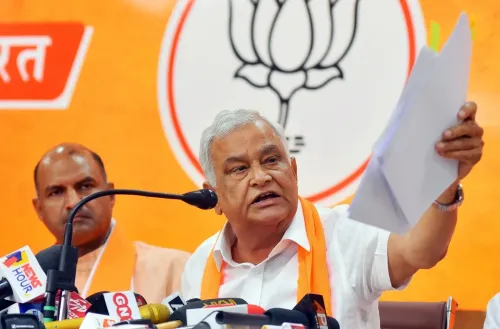
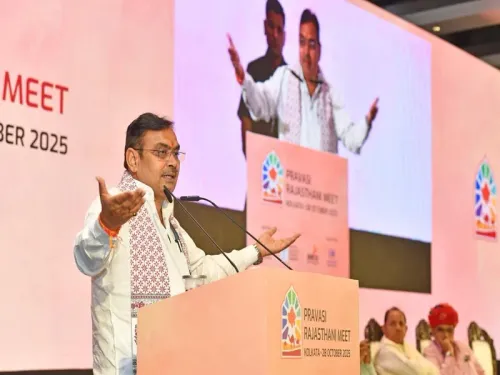
Rajasthan Agriculture Minister Dr Kirodi Lal Meena issued a forceful defence of reservation on Sunday, 10 August, telling thousands gathered at the Panch Athai complex in Nangal Pyarivas, Dausa, that the policy would not be dismantled as long as he lived. His remarks came on the second day of World Tribal Day celebrations during a Tribal Festival organised at the venue.
The Statement on Reservation
'As long as there is life in Kirodi's body, no one can even touch reservation,' Meena declared, directly dismissing speculation about the possible abolition of reservation policies. The minister's remarks drew a large response from the crowd, which included tribal communities and supporters who had accompanied him in a procession from the Titoli toll plaza.
Meena's Political Journey and Legacy
During the programme, Meena reflected at length on his decades-long political career. He said he had participated in around 600 movements, been jailed 17 times, and faced 138 legal cases, reiterating that his fight against corruption would continue. A book chronicling his political life and struggles was also launched at the event.
Notably, Meena narrated the origin of Panch Athai being popularly known as the 'Meena High Court' — a name rooted in a panchayat-related dispute during which a crowd of around 50,000 people, including a significant number of women, marched towards Dausa. According to Meena, the administration ultimately brought 14 village elders and handed them over to the gathering, an outcome he described as a demonstration of the supreme power of the people.
Appeal to Tribal Youth and Community Unity
Beyond the reservation pledge, Meena appealed to tribal youth to stay away from substance abuse and work collectively against social evils. Addressing the historically sensitive relationship between the Meena and Gurjar communities — both farming communities, as he described them — he urged them to maintain brotherhood and move forward together rather than engage in disputes.
Water Rights and Infrastructure
Meena also highlighted his efforts to secure the release of water from the Panchna Dam following a prolonged struggle, and said work was under way to bring Chambal river water to Dausa. He recalled a personal near-death experience in 1985, which he attributed to surviving by the grace of God.
Cultural Celebrations at the Festival
The Tribal Festival featured a range of cultural performances. Girls from PM SHRI School presented patriotic songs, while students from a Government College performed programmes showcasing Meena culture. Tribal children from Madhya Pradesh also participated with cultural acts, and stunt performances were among the event's additional attractions. Thousands attended across the two-day celebration.
The event underscores the continued political salience of reservation as an electoral and social flashpoint in Rajasthan, with Meena positioning himself as a frontline defender of tribal interests ahead of future political cycles.
Point of View
Making a minister's public vow a calculated signal to a constituency that feels exposed. The 'Meena High Court' narrative also reveals how local strongman politics fills governance vacuums — when the administration handed over 14 panchs to a 50,000-strong crowd, it was an institutional concession, not a democratic outcome. That Meena frames this as a victory of people power rather than a breakdown of process tells you much about how political legitimacy is constructed in this space.
NationPress
24 Sept 2026
Frequently Asked Questions
What did Rajasthan minister Kirodi Lal Meena say about reservation?
Dr Kirodi Lal Meena declared at a Tribal Festival in Dausa on 10 August that reservation cannot be abolished as long as he is alive, stating: 'As long as there is life in Kirodi's body, no one can even touch reservation.' The remarks were made before thousands gathered for World Tribal Day celebrations.
Where was the Tribal Festival held and who attended?
The festival was held at the Panch Athai complex in Nangal Pyarivas, Dausa, Rajasthan, on the second day of World Tribal Day celebrations. Thousands attended, including tribal communities from Madhya Pradesh, and Meena arrived in a procession from the Titoli toll plaza.
What is 'Meena High Court' and how did Panch Athai get that name?
'Meena High Court' is a popular name for the Panch Athai complex in Dausa, rooted in a panchayat dispute during which around 50,000 people marched towards Dausa. According to Meena, the administration brought 14 village elders and handed them to the gathering — an event he cited as proof of the supreme power of the people.
What other issues did Kirodi Lal Meena raise at the event?
Meena appealed for unity between the Meena and Gurjar communities, urged tribal youth to avoid substance abuse, highlighted his efforts to secure water from the Panchna Dam, and said work was progressing to bring Chambal river water to Dausa.
What is Kirodi Lal Meena's political background?
Dr Kirodi Lal Meena is the Rajasthan Agriculture Minister and a prominent tribal leader. He has said he participated in around 600 movements, was jailed 17 times, and faced 138 legal cases over his political career, positioning himself as a long-standing fighter against corruption and for tribal rights.