Meghalaya Cabinet clears 6th Pay Commission, panel gets 8 months to report
Synopsis
Meghalaya has finally given its government employees a formal mechanism to push for better pay — the Sixth Pay Commission, chaired by former Chief Secretary D.P. Wahlang, with eight months to submit recommendations. CM Conrad Sangma has also left the door open for additional terms of reference, signalling this could go well beyond a routine salary tweak.
Key Takeaways
The Meghalaya Cabinet approved the Sixth Meghalaya Pay Commission on 19 November 2026 .
The Commission will be chaired by former Chief Secretary D.P.
Wahlang , with Lyngwa and Ambrose Marak as members.
The panel has been given eight months to complete its review and submit recommendations.
Government employees and their representatives will be able to directly engage with the Commission once it becomes functional.
The state government has retained the option to add further Terms of Reference (ToR) to broaden the Commission's mandate if needed.
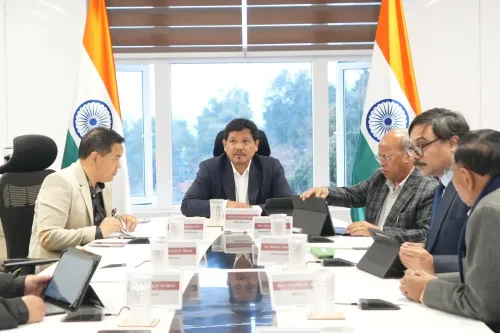
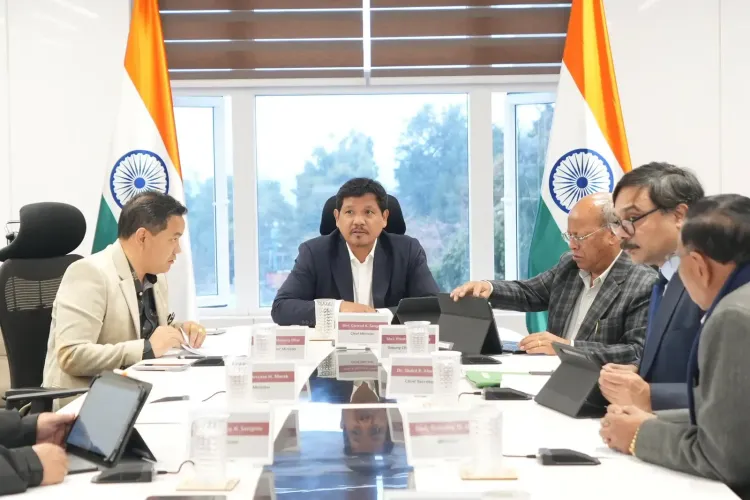
The Meghalaya Cabinet on Thursday, 19 November 2026, approved the constitution of the Sixth Meghalaya Pay Commission to review the pay structure and service conditions of state government employees, Chief Minister Conrad K. Sangma announced. The Commission has been given an eight-month deadline to complete its examination and submit recommendations to the state government.
Commission Composition and Leadership
The panel will be chaired by former Chief Secretary D.P. Wahlang, with retired senior officials Lyngwa and Ambrose Marak appointed as members. The appointment of experienced former bureaucrats is intended to lend institutional credibility to the review process, which covers salaries, allowances, and broader service-related benefits for state government staff.
What the Government Said
Chief Minister Sangma described the decision as an important step towards addressing the expectations and concerns of government employees. He said all relevant grievances and demands could be formally placed before the Commission once it becomes functional. Employees and their representatives will also have a direct opportunity to engage with the panel and present their case.
Notably, the state government has retained the flexibility to introduce additional Terms of Reference (ToR) for the Commission if required, ensuring that any emerging concerns not originally covered can still be brought within its mandate.
Why the Review Matters
Meghalaya's government employees have reportedly been awaiting a structured review of their existing pay framework and service conditions for some time. The constitution of a formal pay commission provides an institutional mechanism for examining employee demands and recommending changes — a process that carries more weight than ad hoc revisions. This comes amid a broader trend across Indian states of periodically revisiting pay structures in line with central government revisions and rising cost-of-living pressures.
What Happens Next
With the eight-month window now in motion, the Commission is expected to begin stakeholder consultations shortly after it becomes operational. Its recommendations will subsequently be considered by the state government, which will determine the extent and timeline of any revisions. The government has signalled openness to expanding the Commission's scope, suggesting the final report could address a wide range of employee concerns beyond base pay alone.
Point of View
Or whether the Commission's report joins a shelf of well-intentioned reviews that move slowly to implementation.
NationPress
19 Nov 2026
Frequently Asked Questions
What is the Sixth Meghalaya Pay Commission?
It is a state-level panel approved by the Meghalaya Cabinet on 19 November 2026 to review and recommend changes to the pay structure and service conditions of Meghalaya's state government employees. The Commission has been given eight months to submit its report to the government.
Who will chair the Sixth Meghalaya Pay Commission?
Former Chief Secretary D.P. Wahlang has been appointed as the chairman of the Commission. Retired senior officials Lyngwa and Ambrose Marak have been named as its members.
When will the Commission submit its recommendations?
The Commission has an eight-month deadline from the date of its constitution to complete its work and submit recommendations to the Meghalaya state government. The government will then decide on implementation.
Can government employees present their concerns to the Commission?
Yes. Chief Minister Conrad K. Sangma confirmed that employees and their representatives will have a direct opportunity to engage with the Commission once it becomes functional and place all relevant concerns before it.
Can the Commission's scope be expanded beyond its initial mandate?
Yes. The state government has retained the flexibility to introduce additional Terms of Reference for the Commission if required, ensuring that any issues not originally covered can still be brought within its remit.