Can Metabolic Surgery Prevent Organ Damage From Uncontrolled Diabetes?

Synopsis
In India, uncontrolled diabetes is a growing concern leading to severe organ issues. A breakthrough solution, metabolic surgery, is being recognized for its potential in preventing such damage. AIIMS Delhi's expert shares insights on how this procedure is transforming lives and offers hope to millions struggling with diabetes.
Key Takeaways
Metabolic surgery can prevent organ damage from uncontrolled diabetes.
India has a high prevalence of diabetes, with 50% being uncontrolled.
HbA1c levels above 7.5 indicate uncontrolled diabetes.
Surgery is recognized by the International Diabetes Federation for treating T2DM.
The procedure offers rapid improvements in blood sugar levels.
New Delhi, Dec 10 (NationPress) As uncontrolled diabetes continues to emerge as a silent crisis in India, leading to significant organ damage and potential failure, metabolic surgery is being hailed as a preventive measure, according to an expert from the All India Institute of Medical Sciences (AIIMS) Delhi.
India, recognized as the diabetes capital of the world, is witnessing alarming complications such as kidney failure, heart attacks, strokes, neuropathy, and retinopathy, as highlighted by Dr. Manjunath Maruti Pol, an Additional Professor in the Department of Surgery at AIIMS, New Delhi.
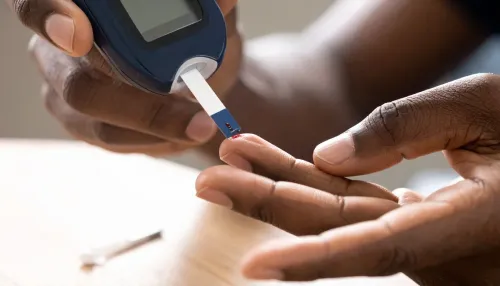
Currently, about 70 million individuals in India are afflicted with diabetes, with 50 percent experiencing uncontrolled diabetes. The standard global benchmark for HbA1c (a blood sugar control indicator) is 7, but in India, it is set at 7.5.
“Uncontrolled diabetes is characterized by HbA1C levels that remain at 7.5 or higher, despite the use of three or more medications and lifestyle modifications for at least two years,” stated Pol.
He emphasized that there is an inverse relationship between HbA1c levels and the onset of complications; an increase in HbA1c can lead to organ failure and death in a short timeframe.
“Surgery is now an internationally endorsed treatment for certain cases of uncontrolled Type-2 Diabetes Mellitus (T2DM),” the expert noted, adding that the International Diabetes Federation (IDF) formally recognized surgical intervention for diabetes in 2016.
Procedure Overview
Per the guidelines, this surgical procedure is suitable for patients aged 18 to 65 years.
In contrast to Type-1 diabetes surgeries, which primarily target the pancreas, the procedure for uncontrolled Type 2 diabetes focuses on the stomach and intestines.
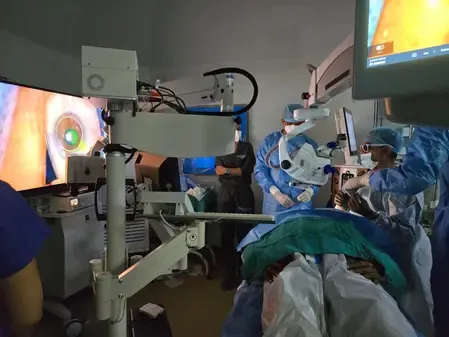
“The stomach is reduced in size, and the small intestine is reconfigured, creating a tubular stomach that varies according to the patient’s metabolic profile. This enables food to bypass the duodenum and go directly into the intestine,” explained Pol.
By diverting food in this manner, certain GLP hormones are released in a physiological rhythm, helping to halt ongoing damage.
“In our retrospective analysis, we have conducted over 100 surgeries, with 35 percent of those on patients with uncontrolled Type-2 diabetes. All these patients are currently free from diabetes medications,” the expert revealed.
He praised the rapid improvement seen post-surgery, with many patients achieving near-normal blood sugar levels as early as the first day after the operation, indicating that the benefits are not solely dependent on weight loss.
“The cost of this laparoscopic or robotic surgery ranges from Rs 3 to 6 lakhs,” Pol noted, emphasizing the significant advantages it offers.
Point of View
I believe the rising incidence of uncontrolled diabetes in India requires urgent attention. The insights provided by AIIMS experts underscore the necessity of exploring advanced treatment options like metabolic surgery. It is vital for individuals suffering from diabetes to consider all available avenues for effective management, ensuring they are well-informed about the latest medical advancements.
NationPress
29 Sept 2026
Frequently Asked Questions
What is metabolic surgery?
Metabolic surgery is a surgical intervention aimed at helping individuals with uncontrolled Type-2 diabetes by modifying the digestive system to improve blood sugar control.
Who is eligible for this surgery?
Patients aged 18 to 65 years suffering from uncontrolled Type-2 diabetes may be eligible for metabolic surgery, provided they meet specific medical criteria.
What are the benefits of metabolic surgery?
The main benefits include improved blood sugar control, potential remission of diabetes, and reduced risk of complications such as organ damage.
How much does metabolic surgery cost?
The cost for laparoscopic or robotic metabolic surgery ranges from Rs 3 to 6 lakhs.
What is the recovery time after the surgery?
Many patients experience improvements in blood sugar levels shortly after surgery, with recovery times varying based on individual circumstances.