How Are Dang Farmers Transitioning from Traditional to Modern Farming?
Synopsis
In Gujarat's Dang district, farmers are transforming their agricultural practices from traditional methods to modern techniques. This shift, driven by financial support and innovative practices, is enhancing productivity and boosting incomes, showcasing a new era in farming that promises better financial stability.
Key Takeaways
Transition to modern farming: Farmers are moving from traditional crops to high-value produce.
Government support: Significant subsidies are aiding this transition.
Success stories: Individuals like Jignesh Bhoi are inspiring others.
Financial benefits: Modern farming leads to increased incomes.
Market access: Farmers are tapping into larger markets for their produce.
Gandhinagar, Jan 3 (NationPress) A noticeable shift in agricultural methods from traditional to modern farming practices is unfolding across the board, as farmers are progressively reducing their dependence on conventional methods and embracing sustainable and innovative techniques to achieve enhanced productivity and improved financial stability.
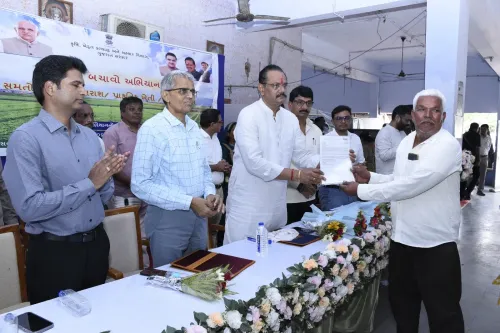
In the Dang district of Gujarat, farmers are consciously transitioning from cultivating traditional crops to more lucrative varieties, aided by financial support from the state government.
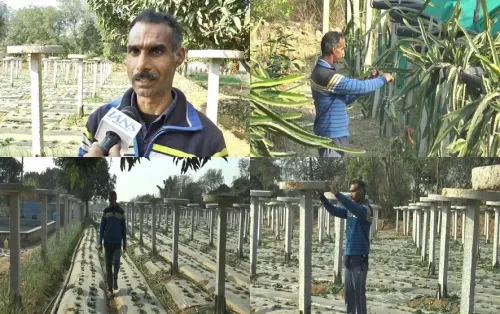
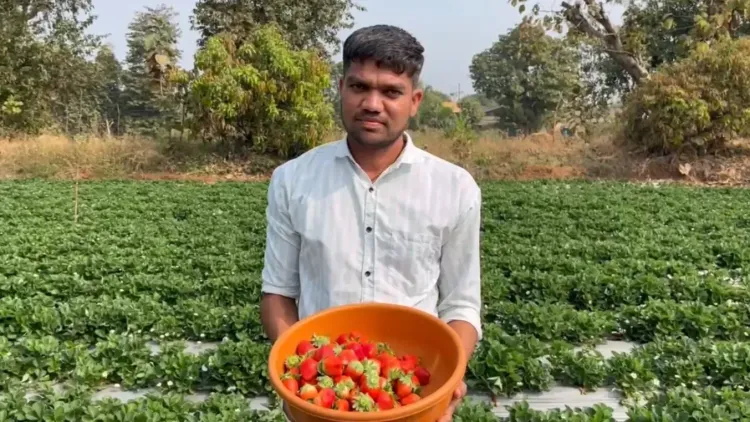
Jignesh Bhoi, a tribal youth from Dang, has gained recognition for opting for modern agricultural techniques instead of sticking to traditional farming.
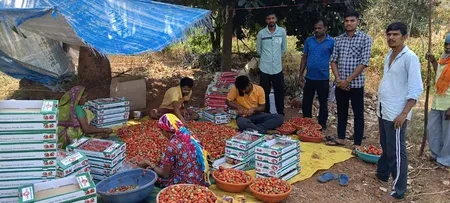
Despite being a school dropout, he leveraged government initiatives to embark on modern strawberry cultivation, resulting in substantial earnings. His rapid success has also catalyzed other farmers in the village to follow suit, encouraged by administrative support.
Traditionally, farmers in the Dang district, which is nestled among mountains, grew crops like finger millet, sorghum, barnyard millet, and rice for generations. However, a gradual shift towards modern farming is now taking place.
Jignesh, hailing from the remote village of Motamalunga in Dang, was one of the pioneers in adopting modern practices and reaping the rewards.
He played a crucial role in initiating this transformative change in his village, first reaching out to the horticulture officer, understanding government subsidy programs, and subsequently starting his strawberry farm.
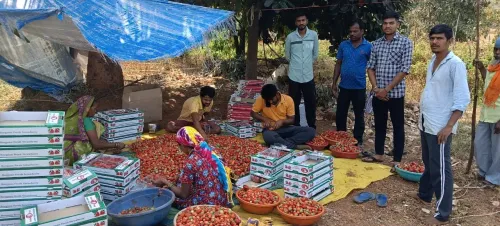
Over the past four to five years, he has expanded his cultivation to include strawberries, tomatoes, and white musli using contemporary methods. Initially working on a small plot, he now oversees a plantation covering two acres, generating an annual income that runs into lakhs.
He notes that the government is offering a 75 percent subsidy on plants, mulching paper, and drip irrigation for strawberry farming.
To market his strawberries, he sells his produce in local markets in Ahwa and Saputara, as well as to wholesale markets in Ahmedabad, Vadodara, Surat, and Rajkot.
Point of View
It's crucial to recognize the significant shift in agricultural practices within Gujarat's Dang district. The move towards modern farming techniques not only enhances productivity but also contributes to farmers' financial resilience. This trend reflects a broader change in agricultural dynamics across India, with potential benefits for food security and economic stability.
NationPress
7 Oct 2026
Frequently Asked Questions
What modern farming techniques are being adopted in Dang?
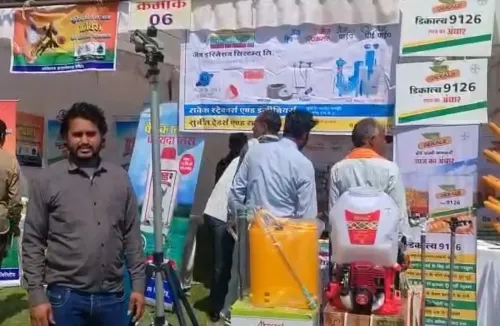
Farmers in Dang are increasingly adopting techniques such as drip irrigation, mulching, and cultivating high-value crops like strawberries, supported by government subsidies.
How has Jignesh Bhoi influenced other farmers?
Jignesh Bhoi's success with modern strawberry cultivation has inspired fellow farmers to explore similar high-yield crops, creating a ripple effect in the community.
What subsidies are available for farmers in Gujarat?
The Gujarat government offers substantial subsidies, covering 75% of costs for plants, mulching paper, and drip irrigation, making modern farming more accessible.
Why is modern farming important for farmers' incomes?
Modern farming techniques lead to higher productivity and profitability, enabling farmers to earn a better income and achieve financial stability.
Where do farmers in Dang sell their produce?
Farmers in Dang market their produce in local markets in Ahwa and Saputara and send wholesale shipments to major cities like Ahmedabad, Vadodara, Surat, and Rajkot.