How Are Modern Machines Preparing Prasad and Free Meals for Lakhs of Devotees at Prayagraj Magh Mela?
Synopsis
Discover how modern technology is revolutionizing the Magh Mela in Prayagraj, providing free meals and prasad to millions of devotees. This unique blend of tradition and innovation ensures that no one goes hungry during this sacred gathering, showcasing the spirit of selfless service.
Key Takeaways
Magh Mela is a significant annual event in Prayagraj.
Modern technology aids in preparing meals for thousands.
The bhandara reflects the spirit of selfless service.
Devotees believe in the spiritual benefits of participating in the fair.
Efforts are made to ensure no one goes hungry.
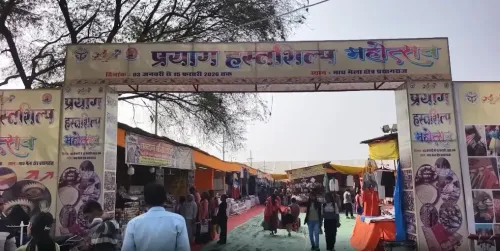
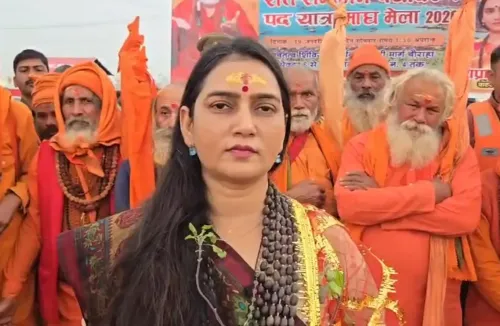
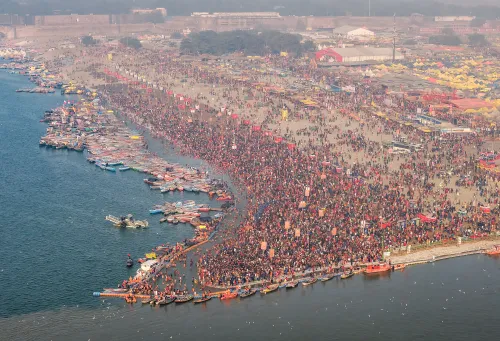
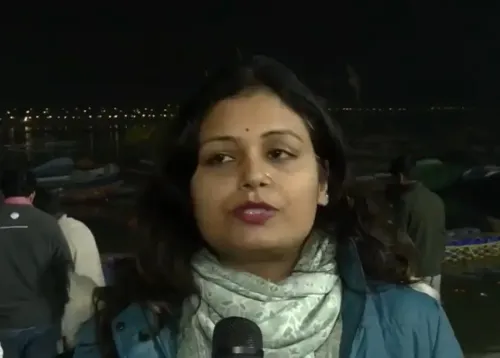
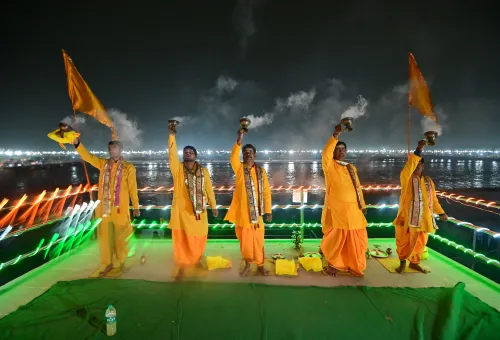
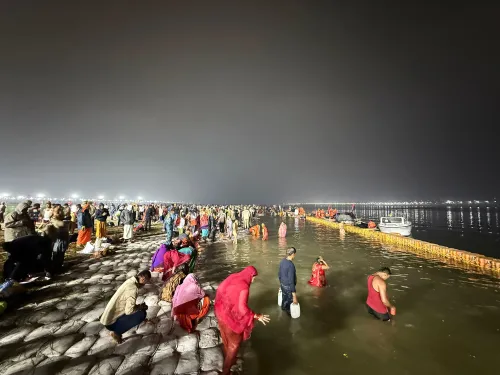
In Prayagraj, Uttar Pradesh, a city renowned for its spirituality, the Magh Mela is currently taking place along the sacred banks of the Sangam, where rivers converge. This significant event is providing complimentary meals (bhandara) to countless devotees. Sadhus, saints, and various social and religious organizations are diligently distributing food and prasad (holy offerings) to sustain millions of individuals daily, which requires extensive and efficient preparation.
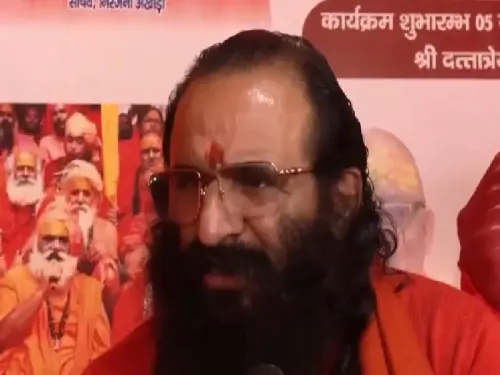
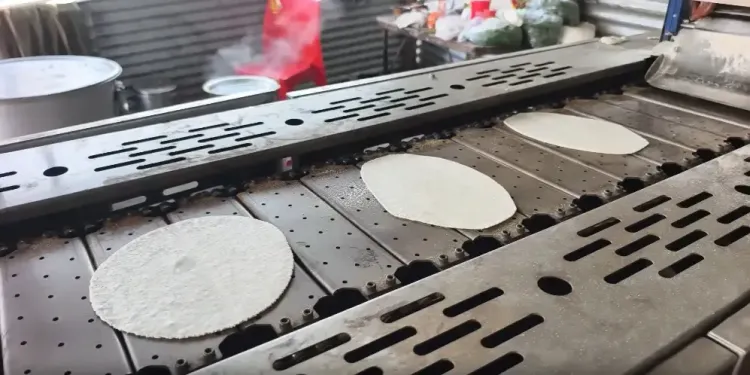
At the Shri Prayagwal camp, thousands of devotees receive prasad each day. To effectively manage this large-scale operation, advanced machinery is being utilized to prepare meals swiftly. Automated machines are particularly employed for making rotis (flatbreads), a staple in the meals provided to devotees.
One such machine can handle the entire process, from kneading dough to baking rotis. Rohit, the founder of Prayagwal, mentioned that a single machine can produce around 2,000 rotis in just one hour with impressive efficiency. He stated their goal is to feed between 5,000 and 10,000 people daily, ensuring a substantial amount of food is prepared quickly and distributed seamlessly among devotees.
The primary aim of the bhandara is to feed the hungry, a deed regarded as highly virtuous in Indian culture. This service is performed with the conviction that no devotee attending the Magh Mela should leave hungry. The extensive food distribution embodies the essence of selfless service, compassion, and devotion inherent in the Magh Mela.
The bhandara at the Magh Mela is an enormous and significant initiative, symbolizing service, faith, and tradition. It illustrates how modern technology is being integrated with ancient religious practices to serve humanity more effectively.
The Magh Mela occurs annually in the sacred area of Prayagraj along the banks of the Sangam during the Hindu month of Magh. This revered fair attracts millions of devotees each year. Similar to the Kumbh Mela, the Magh Mela holds profound religious significance for Hindus.
While the Kumbh Mela is organized every 12 years at four locations—Prayagraj, Ujjain, Nashik, and Haridwar—Prayagraj uniquely hosts the Magh Mela every year during the month of Magh. This year, the Magh Mela commenced on January 3 and will conclude on February 15.
The Magh Mela of Prayagraj is considered one of the largest and oldest spiritual gatherings worldwide. The city is home to the holy confluence of the Ganga, Yamuna, and the mythical Saraswati rivers, significantly enhancing the spiritual importance of bathing and charitable acts during this period.
Religious beliefs state that bathing at the Sangam during the Magh Mela grants nectar-like benefits. It is believed that performing charitable actions and virtuous deeds during the 45-day fair aids devotees in attaining liberation from sins. In addition to bathing and donations, worship, yagya, chanting, and homa hold special importance during the month of Magh, and devotees believe that these practices bring blessings from all gods and goddesses.
Point of View
The ongoing Magh Mela in Prayagraj exemplifies the harmonious blend of ancient traditions with modern technology. This annual gathering not only serves millions of devotees but also demonstrates India's commitment to selfless service and charity, making it a unique event of national importance.
NationPress
1 Oct 2026
Frequently Asked Questions
What is the Magh Mela?
The Magh Mela is an annual Hindu festival held in Prayagraj, where devotees gather for spiritual rituals and to receive free meals, fostering community and charity.
How many people does the Magh Mela serve?
The Magh Mela serves between 5,000 and 10,000 people daily, providing free meals and prasad to devotees.
What technology is used at the Magh Mela?
Modern machines are employed to prepare meals efficiently, including automatic machines for making rotis, allowing for large-scale food production.
Why is the bhandara important?
The bhandara, or free meal service, is a virtuous act in Indian culture, ensuring that no devotee goes hungry during the Magh Mela.
What are the spiritual beliefs associated with the Magh Mela?
Bathing at the Sangam during the Magh Mela is believed to bestow spiritual benefits and liberation from sins, making it a significant time for charitable acts.