PM Modi wants Anganwadis as community hubs, universities to adopt centres
Synopsis
PM Modi used the National Departmental Summit on Women and Child Development to reframe Anganwadi Centres not as welfare delivery counters but as grassroots community platforms — asking universities, medical students, NSS and NCC volunteers to plug in directly. The push signals a governance model where civil society and academia co-own India's frontline child and women welfare infrastructure.
Key Takeaways
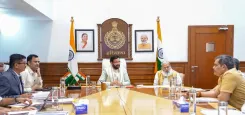
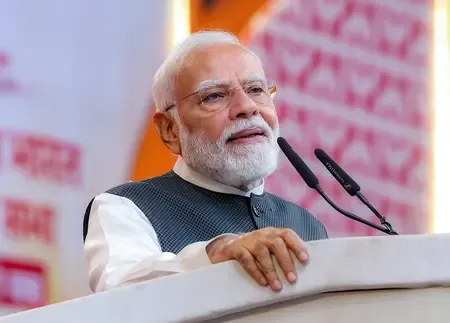
PM Narendra Modi on 9 October 2026 chaired the valedictory session of the National Departmental Summit on Women and Child Development at Sushma Swaraj Bhawan, New Delhi .
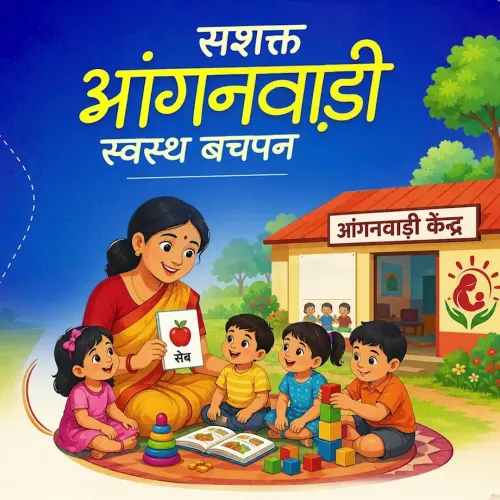
He called for Anganwadi Centres to become hubs of Jan Bhagidari , with neighbourhood families contributing nutritious food, toys and local items for children.
Universities are to be encouraged to adopt nearby Anganwadi Centres and conduct social-impact studies ; NSS and NCC volunteers and medical students can also be involved.
States were urged to organise Chintan Shivirs at district, Nagar Palika and Mahanagar Palika levels, with dedicated sessions for Anganwadi workers .
Modi stressed preventive action on women's safety , special focus on adolescent girls' health , and active ownership of the Swachhata Abhiyan by WCD departments.
He linked Vocal for Local and ODOP to women's economic empowerment and called children in Anganwadis the future builders of Viksit Bharat .
Prime Minister Narendra Modi on Friday, 9 October 2026, called for a fundamental reimagining of Anganwadi Centres across India — urging that they evolve from isolated service-delivery points into active hubs of community participation. He also pushed for universities to formally adopt nearby centres and conduct social-impact assessments of their functioning.
Key Directives at the WCD Summit
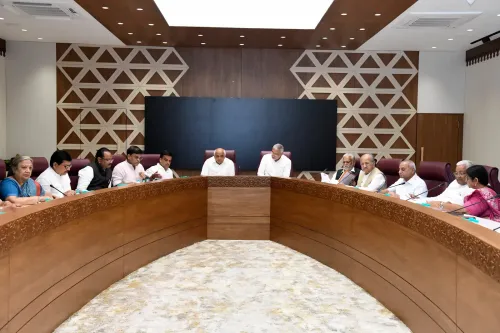
Modi was chairing the valedictory session of the two-day National Departmental Summit on Women and Child Development held at Sushma Swaraj Bhawan in New Delhi. The summit brought together ministers and senior officials from states and Union Territories to deliberate on improving service delivery through greater coordination between the Centre and state governments.
Invoking the principle of Jan Bhagidari (people's participation), the Prime Minister said families living near Anganwadi Centres should be encouraged to contribute nutritious food, toys and other locally relevant items for children on special occasions. He called this a model of participatory governance at the grassroots level.
Role of Educational Institutions and Youth Volunteers
Highlighting the untapped potential of higher education institutions, Modi suggested that universities adopt nearby Anganwadi Centres and undertake social-impact studies to assess their functioning and identify areas for improvement. He further recommended that medical students, along with volunteers from the National Service Scheme (NSS) and the National Cadet Corps (NCC), be actively involved in Anganwadi activities and broader community initiatives.
This marks a notable effort to bridge the gap between academic institutions and frontline welfare infrastructure — a connection that has historically been weak in India's social-sector architecture.
Chintan Shivirs and Worker-Level Deliberations
Modi suggested that states replicate the model of departmental summits by organising similar Chintan Shivirs at the district, Nagar Palika and Mahanagar Palika levels. Dedicated sessions for Anganwadi workers could also be organised to facilitate the exchange of field experiences, innovations and practical solutions — a bottom-up approach rarely practised in welfare programme management.
Women's Safety, Adolescent Health and Swachhata
On women's safety, the Prime Minister emphasised convergence among multiple departments for preventive action rather than reactive response. He called for age-appropriate modules for children to promote awareness about women's safety, dignity and empowerment — signalling a long-term behavioural-change approach.
He gave special attention to the health, nutrition and overall development of adolescent girls, stressing that their needs must be addressed as part of broader women and child development efforts. Separately, he urged Women and Child Development Departments across the country to take active ownership of the Swachhata Abhiyan, linking cleanliness to health and nutrition outcomes.
Vocal for Local and Women's Economic Empowerment
Modi also called for integrating national initiatives such as Vocal for Local and One District One Product (ODOP) into women's empowerment efforts. Women's collectives and community institutions, he said, could become key partners in strengthening local products, generating livelihood opportunities and improving economic independence at the household level.
Closing the summit, the Prime Minister noted that children nurtured in Anganwadi Centres today would grow into the citizens responsible for building Viksit Bharat — underscoring the long-term developmental stakes of the sector.
Point of View
But the gap between summit rhetoric and ground-level reality in India's WCD apparatus is well-documented — underpaid workers, crumbling infrastructure and chronic nutrition data gaps remain. Asking universities to conduct social-impact studies is a sound idea in theory, but without a mandated framework or funding, it risks being voluntary and uneven. The adolescent-girl focus and the Swachhata-nutrition link are evidence-backed priorities; the question is whether the coordination machinery between health, education and WCD departments — which has historically been siloed — can actually deliver. The Viksit Bharat framing elevates the political stakes but also raises accountability expectations that the sector has rarely been held to.
NationPress
10 Oct 2026
Frequently Asked Questions
What did PM Modi say about Anganwadi Centres at the national summit?
PM Modi called for transforming Anganwadi Centres into hubs of community participation, where neighbourhood families contribute food, toys and local items for children. He also urged states to organise Chintan Shivirs at the district and municipal level and hold dedicated sessions for Anganwadi workers.
What role did Modi propose for universities in Anganwadi development?
Modi suggested that universities adopt nearby Anganwadi Centres and conduct social-impact studies to assess their functioning and identify areas for improvement. He also recommended involving medical students, NSS volunteers and NCC cadets in Anganwadi activities.
What was the National Departmental Summit on Women and Child Development?
It was a two-day national summit held at Sushma Swaraj Bhawan in New Delhi, bringing together ministers and senior officials from states and Union Territories to deliberate on improving nutrition, early childhood care, child protection, women's safety and empowerment.
How does Modi's plan address women's safety?
Modi emphasised preventive action through convergence among multiple government departments rather than reactive measures. He also called for developing age-appropriate modules for children to promote awareness about women's safety, dignity and empowerment.
What is the connection Modi drew between Anganwadis and Viksit Bharat?
The Prime Minister said children nurtured in Anganwadi Centres today would grow into citizens responsible for building Viksit Bharat, India's vision of a developed nation. He described the WCD ministry and its state counterparts as carrying responsibilities affecting a significant section of society.