PM Modi flags off Chennai Metro Phase II Corridor 4, rides new ₹4,900 crore stretch

Synopsis
PM Modi personally rode the newly launched Chennai Metro Phase II Corridor 4 stretch on Sunday — a ₹4,900 crore, 3.5 km double-decker viaduct that finally brings rapid transit to long-underserved suburban zones like Poonamallee and Avadi. For thousands of daily commuters stuck in some of Chennai's worst congestion, this is not just a ribbon-cutting — it is a structural shift in how the city moves.
Key Takeaways
PM Narendra Modi and Tamil Nadu CM C.
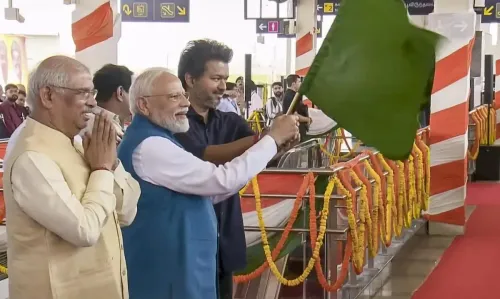
Joseph Vijay flagged off Corridor 4 of Chennai Metro Phase II on 11 October 2026 .
The stretch is built at a cost of ₹4,900 crore and includes a 3.5 km double-decker viaduct .
The corridor connects suburban zones including Poonamallee and Avadi to Vadapalani , easing one of Chennai's most congested commute routes.
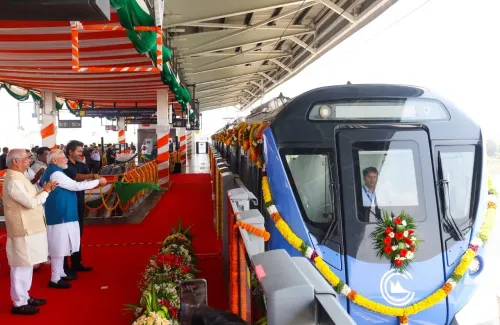
Both leaders took a ride on the newly inaugurated stretch at the inauguration event.
Residents of Avadi receive metro connectivity for the first time, with commuters citing years of wait and severe traffic congestion.
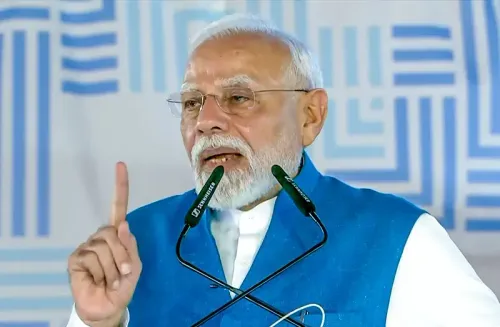
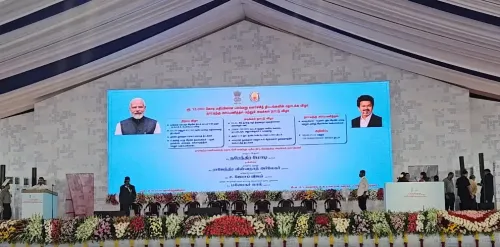
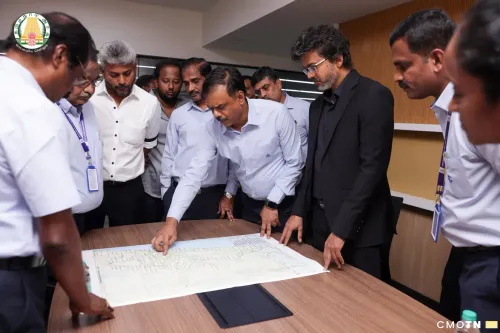
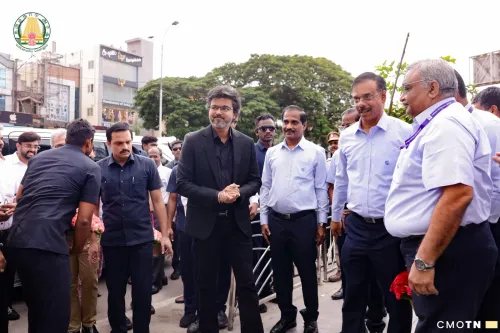
Prime Minister Narendra Modi and Tamil Nadu Chief Minister C. Joseph Vijay on Sunday, 11 October 2026, jointly flagged off the first operational stretch of Corridor 4 under Chennai Metro Phase II, marking a significant leap in the city's public transport expansion. Both leaders also rode the newly inaugurated stretch, built at a cost of ₹4,900 crore, underscoring the project's political and civic significance.
What the New Stretch Covers
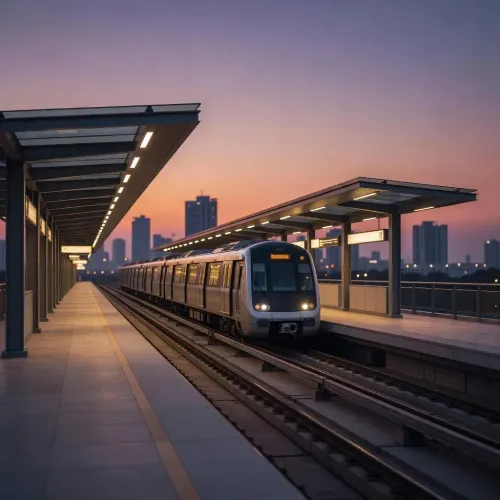
The inaugurated section forms part of a wider Phase II network and includes a 3.5 km double-decker viaduct — a structurally complex piece of urban infrastructure cutting through one of Chennai's most congested road corridors. The stretch connects suburban zones including Poonamallee and Avadi to established city nodes such as Vadapalani, directly addressing long-standing commuter grievances in the city's western and north-western periphery.
Why It Matters for Chennai Commuters
Chennai has struggled with chronic traffic congestion, particularly along arterial corridors connecting suburban areas to commercial and educational hubs. The new metro link is expected to offer daily relief to students, working professionals, and other regular commuters who have endured severe gridlock on these routes. Notably, the Poonamallee–Vadapalani corridor has been among the city's most complained-about stretches for over a decade.
This is also the first metro connectivity for residents of areas like Avadi, which falls within the Chennai metropolitan region but had remained unserved by rapid transit infrastructure until now.
Residents and Passengers React
Commuters at the inauguration expressed visible relief and enthusiasm. A passenger from the Poonamallee area said the launch was 'a very happy moment,' noting that students travelling to Vadapalani and working professionals had long been 'facing severe traffic congestion.' The passenger added that the new service would allow people to 'reach their schools, colleges, and workplaces more quickly and conveniently.'
Another commuter, Sridharan, who is from Avadi, said residents of his area had 'been waiting for this service for a long time,' calling its arrival 'great joy.' He said the metro would help passengers 'save travel time, avoid traffic congestion, and enjoy a more comfortable journey.'
Engineering Scale and Project Background
The ₹4,900 crore investment reflects the engineering complexity of the corridor, particularly the 3.5 km double-decker viaduct — a design solution necessitated by limited ground-level space in a densely built urban zone. Chennai Metro Phase II is among the largest ongoing urban rail projects in South India, with multiple corridors planned to extend the network well beyond the Phase I footprint.
What Comes Next
The flagging-off of Corridor 4's first stretch is expected to be followed by the progressive rollout of additional Phase II sections. The full build-out of the Phase II network is anticipated to significantly reshape commute patterns across Chennai's rapidly expanding metropolitan area, with further corridors still under various stages of planning and construction.
Point of View
And the double-decker viaduct design signals the engineering ambition required to retrofit metro infrastructure into a densely built city. Yet the bigger test lies ahead: Phase II involves multiple corridors, and the pace of construction on the remaining sections will determine whether this flagship launch translates into a network effect or remains a high-profile isolated stretch. The optics of both Modi and CM Vijay — a central and state leader from distinct political alignments — jointly riding the metro also signals cooperative federalism in infrastructure delivery, a dynamic worth watching as further project milestones approach.
NationPress
11 Oct 2026
Frequently Asked Questions
What is Chennai Metro Phase II Corridor 4?
Corridor 4 is the first stretch to be inaugurated under Chennai Metro's Phase II expansion, connecting suburban areas including Poonamallee and Avadi to Vadapalani. It is built at a cost of ₹4,900 crore and features a 3.5 km double-decker viaduct through one of the city's most congested zones.
Who inaugurated the Chennai Metro Phase II stretch?
Prime Minister Narendra Modi and Tamil Nadu Chief Minister C. Joseph Vijay jointly flagged off the Corridor 4 stretch on 11 October 2026. Both leaders also took a ride on the newly inaugurated metro line.
How much does the new Chennai Metro stretch cost?
The Corridor 4 stretch has been built at a total cost of ₹4,900 crore. The project includes a 3.5 km double-decker viaduct, reflecting the engineering complexity of laying metro infrastructure through a dense urban corridor.
Which areas benefit from the new Chennai Metro Corridor 4?
Residents of Poonamallee, Avadi, and surrounding suburban zones gain direct metro access to Vadapalani, a key commercial and transit hub. Avadi in particular receives rapid transit connectivity for the first time under this launch.
What is the significance of the double-decker viaduct in Chennai Metro Phase II?
The 3.5 km double-decker viaduct is a structurally complex design solution used where limited ground-level space in densely built neighbourhoods makes conventional elevated metro construction impractical. It is one of the engineering highlights of the Phase II project.