PM Modi gifts Indian grains and millet bars to FAO chief Qu Dongyu in Rome
Synopsis
On the sidelines of his Italy State Visit, PM Modi gifted FAO chief Qu Dongyu five rare indigenous Indian rice varieties — including GI-tagged Matta, Gobindobhog, and Kalanamak — alongside millet bars, on the same day he received the FAO's highest honour, the 2026 Agricola Medal. The gesture doubles as a calculated move in India's global food diplomacy playbook.
Key Takeaways
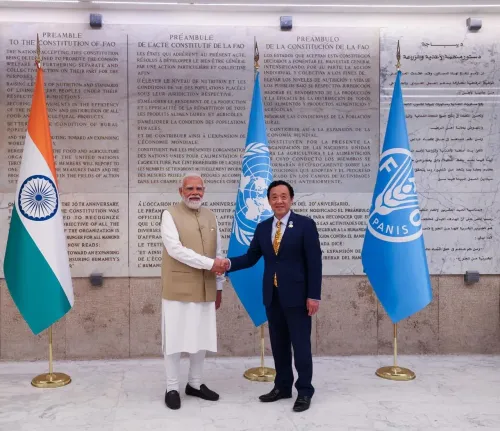
PM Modi met FAO Director-General Qu Dongyu in Rome on 21 May 2026 during his State Visit to Italy.
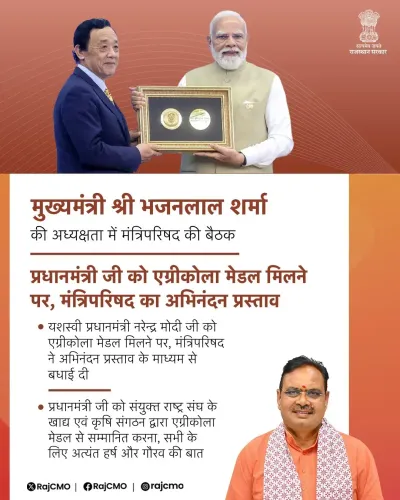
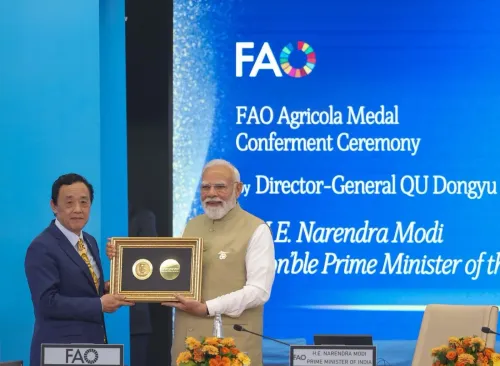
Modi was conferred the 2026 Agricola Medal — the FAO's highest honour — in recognition of contributions to food security and farmer welfare.
Gifted rice varieties included Matta rice (Kerala) , Gobindobhog (West Bengal) , Basmati (Indo-Gangetic plains) , Joha (Assam) , and Kalanamak (Uttar Pradesh) .
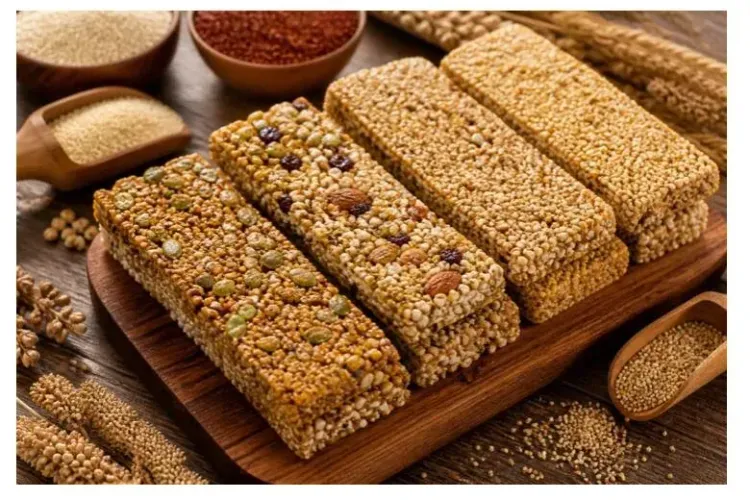
Millet bars featuring jowar and bajra from Maharashtra were also presented, highlighting climate-resilient traditional crops.
The gifts reflect India's broader food diplomacy push to promote indigenous grains and millets within global food security frameworks.
Prime Minister Narendra Modi presented curated samples of India's finest indigenous grains and nutritious millet bars to Food and Agriculture Organisation (FAO) Director-General Qu Dongyu during a meeting in Rome on 21 May 2026, underscoring India's agricultural diversity and its push to promote traditional food heritage on a global stage. The exchange took place on the sidelines of Modi's State Visit to Italy, during which he was also conferred the 2026 Agricola Medal — the FAO's highest honour — at the organisation's headquarters.
The Agricola Medal and What It Recognises
The 2026 Agricola Medal was presented by Qu Dongyu at the historic FAO Plenary Hall in recognition of Prime Minister Modi's contributions to food security, agricultural development, and farmer welfare, according to the organisation. The medal is the highest distinction awarded by the FAO and places Modi among a select group of global leaders honoured for advancing sustainable agriculture.
The Grains: A Cross-Section of India's Rice Heritage
Among the gifted rice varieties was Red Rice (Matta or Palakkadan Matta rice) from Kerala, a GI-tagged product cultivated in the black soil regions of Palakkad. Known for its reddish-brown colour and minimal polishing, it retains high levels of fibre, magnesium, and Vitamin B6, and is regarded as a cornerstone of the Western Ghats farming heritage.
From West Bengal, Modi gifted Gobindobhog rice — an aromatic short-grain variety prized for its naturally sweet, buttery aroma and soft, slightly sticky texture, making it a traditional choice for Bengali dishes such as Payesh and Khichuri.
Basmati rice, often called the 'Queen of Fragrance', sourced from the fertile Indo-Gangetic plains, was also included. Globally recognised for its slender grains, nutty aroma, and gluten-free profile, Basmati is typically aged before processing to enhance fragrance and cooking quality.
Joha rice from Assam's Brahmaputra Valley — a small-grained aromatic variety valued for its naturally sweet fragrance, delicate buttery flavour, and antioxidant properties — was another addition to the gift ensemble.
Rounding out the rice selection was Kalanamak rice, also known as 'Buddha Rice', originating from the Terai region of Uttar Pradesh, particularly Siddharthnagar. Distinguished by its black husk and medium-slender aromatic grains, the ancient variety is rich in iron, zinc, and antioxidants, and carries a low glycaemic index.
Millet Bars: Tradition Meets Modern Nutrition
Alongside the rice varieties, Prime Minister Modi presented healthy millet bars — products rooted in Maharashtra's agricultural tradition. Millets including jowar (sorghum) and bajra (pearl millet), widely cultivated in regions such as Solapur, Ahmednagar, and the Marathwada belt, are well-adapted to semi-arid conditions and low-rainfall environments. High in dietary fibre, protein, and essential minerals, the millet bars were presented as a convergence of traditional Indian agriculture and contemporary health-conscious food practices.
India's Broader Agenda on Food and Climate Resilience
The carefully curated gifts carried a diplomatic subtext: India has been actively championing millets and indigenous grains as part of a global push for climate-resilient, nutritious food systems. This comes amid the country's continued advocacy for the International Year of Millets legacy and its efforts to position traditional crops as viable alternatives within global food security frameworks. The gesture at the FAO headquarters reinforces that agenda at the highest institutional level.
With the Agricola Medal now added to his record and the grain gifts signalling India's food diplomacy intent, the Rome visit is set to amplify New Delhi's voice in international agricultural policy discussions going forward.
Point of View
The optics are deliberate: India is not just a recipient of food-security recognition but a self-styled custodian of the world's agrobiodiversity. The harder question is whether this symbolic visibility translates into tangible influence over FAO policy on seed sovereignty, millet mainstreaming, or smallholder support — areas where India's domestic record is uneven. Food diplomacy lands best when it is backed by credible domestic outcomes.
NationPress
27 Sept 2026
Frequently Asked Questions
What did PM Modi gift to FAO chief Qu Dongyu in Rome?
PM Modi gifted FAO Director-General Qu Dongyu curated samples of five indigenous Indian rice varieties — Matta rice, Gobindobhog, Basmati, Joha, and Kalanamak — along with millet bars made from jowar and bajra. The gifts were presented during their meeting in Rome on 21 May 2026 as part of Modi's State Visit to Italy.
What is the FAO Agricola Medal and why did Modi receive it?
The Agricola Medal is the highest honour awarded by the Food and Agriculture Organisation (FAO). PM Modi received the 2026 edition at the FAO Plenary Hall in Rome, with the organisation citing his contributions to food security, agricultural development, and farmer welfare.
What are the rice varieties PM Modi gifted and where are they from?
The five varieties were: Matta rice (Kerala), Gobindobhog (West Bengal), Basmati (Indo-Gangetic plains), Joha (Assam's Brahmaputra Valley), and Kalanamak or 'Buddha Rice' (Terai region of Uttar Pradesh). Each is valued for its distinct nutritional profile and regional heritage.
Why did Modi include millet bars in the gift?
The millet bars — featuring jowar and bajra from Maharashtra — were included to highlight India's emphasis on nutritious, climate-resilient crops. The gesture aligns with India's ongoing global advocacy for millets as sustainable food alternatives, building on the legacy of the International Year of Millets.
What is the significance of this meeting for India's food diplomacy?
The Rome meeting reinforces India's positioning as a global champion of agricultural biodiversity and traditional food systems. By presenting indigenous, GI-tagged varieties at FAO headquarters on the day of receiving its highest honour, India signalled its intent to shape international discourse on food security and climate-resilient agriculture.