FAO Agricola Medal for PM Modi: India's farm policies get global nod
Synopsis
The FAO's Agricola Medal for PM Modi has drawn a pointed response from India's farming community — not as political celebration, but as validation. A PMFME beneficiary working on millets in Madhya Pradesh says the honour mirrors what he sees at the grassroots: schemes like PM-KISAN and DBT are visibly changing village economies, even as India feeds 800 million through free rations.
Key Takeaways
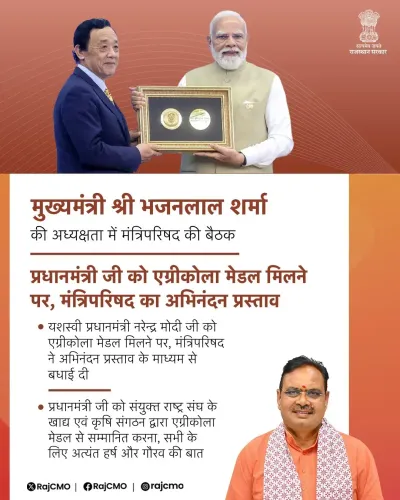
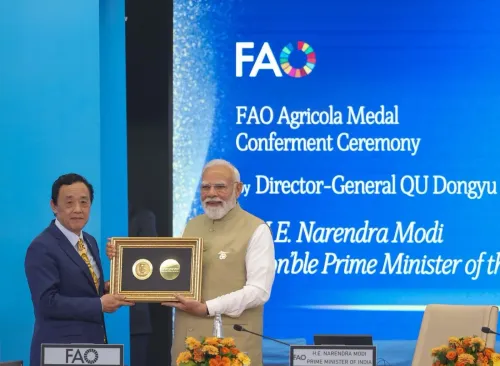
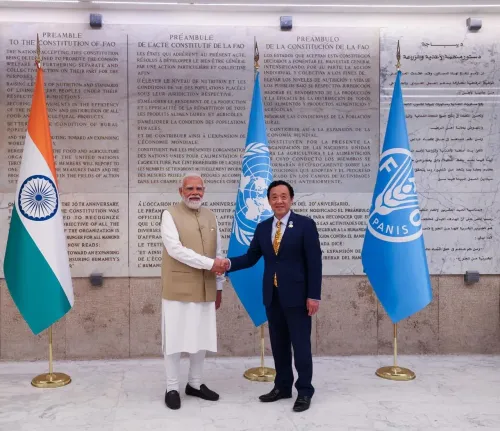
PM Narendra Modi received the FAO Agricola Medal — the UN food agency's highest honour — during his visit to Italy .
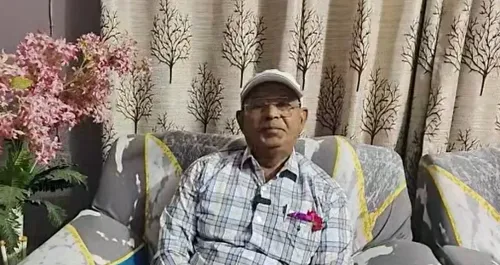
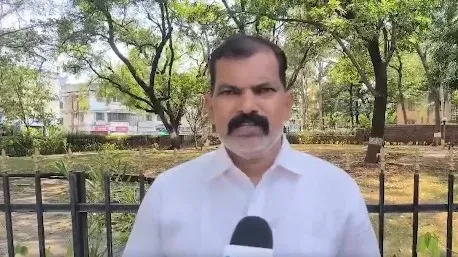
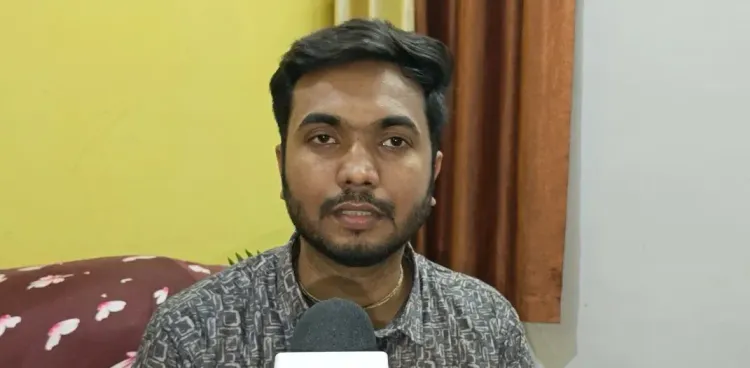
Shubham Tiwari , a PMFME beneficiary and founder of Granoxy Unit , called the award a global recognition of India's agricultural policies, not just a personal accolade.
India currently provides free rations to 800 million people and direct cash support to farmers via PM-KISAN .
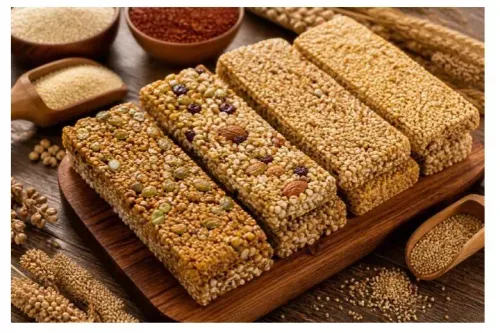
India's advocacy has helped millets gain worldwide recognition as a 'superfood'; Granoxy is building a millet ecosystem in Shahdol, Madhya Pradesh .
DBT and digital agriculture platforms are credited with delivering scheme benefits directly to farmers at the village level.
Prime Minister Narendra Modi has been conferred the Agricola Medal — the highest honour of the United Nations Food and Agriculture Organisation (FAO) — during his ongoing visit to Italy, a recognition that members of India's farming community are describing as a 'proud and exciting' moment for the country. The award is being widely seen as an international endorsement of India's farmer-centric agricultural policies and its food security model.
A Grassroots Perspective on the Honour
Shubham Tiwari, founder-operator of Granoxy Unit and a beneficiary of the Pradhan Mantri Formalisation of Micro Food Processing Enterprises (PMFME) scheme, said the Agricola Medal was not merely a personal accolade for the Prime Minister. According to Tiwari, it represents global acknowledgement of India's agricultural policy framework, its food security architecture, and its approach to farmer welfare.
'The world today views India as a strong leader in the realms of agricultural and nutritional security,' Tiwari said, adding that under Modi's leadership, India has achieved 'historic milestones' in both food security and the agricultural sector.
Key Schemes Cited as Drivers of Change
Tiwari highlighted several government initiatives he considers transformative. These include the delivery of free rations to 800 million people, direct financial assistance to farmers through the Pradhan Mantri Kisan Samman Nidhi (PM-KISAN) scheme, and the integration of technology, digital infrastructure, and data systems into agricultural operations. He argued that these measures have produced tangible, on-the-ground benefits for farming households.
He also noted that digital platforms, Direct Benefit Transfers (DBT), and technology-driven agricultural schemes have been instrumental in routing welfare directly to farmers — a shift, he said, that is 'visibly tangible in the villages' rather than confined to policy documents.
Millets, Digital Agriculture, and the Granoxy Model
Tiwari specifically pointed to India's role in championing millets on the world stage. India's sustained advocacy, he said, has helped millets earn recognition globally as a 'superfood'. Through Granoxy, Tiwari is working directly in the Shahdol region of Madhya Pradesh with farmers and women's self-help groups to build a millet-based food ecosystem.
He reported that grassroots awareness of and demand for millets are rising rapidly in the region, with downstream benefits including improved farmer incomes, better community nutrition, and a shift toward more sustainable farming practices.
Broader Significance of the FAO Recognition
The Agricola Medal is among the most prestigious honours in international agricultural diplomacy, and its conferral on an Indian Prime Minister is notable in the context of India's growing profile in global food security discussions. Tiwari observed that the entire world is 'closely observing' India's food security model, and that the FAO recognition reflects this heightened international attention.
The award comes as India continues to position itself as a leader in agricultural innovation, with millets, digital farming, and large-scale food welfare programmes forming the core of its global narrative. How these policies translate into sustained income growth for smallholder farmers will be the measure that matters most in the years ahead.
Point of View
From feeding 800 million to championing the International Year of Millets. Yet the award arrives at a moment when farmer income growth and rural distress remain contested terrain domestically. The voices celebrating it are, notably, beneficiaries of government schemes — a reminder that ground-level impact and macro agricultural GDP are not always the same story. The real test of India's food security model is whether the gains in scheme delivery translate into durable income improvements for smallholder farmers, not just headline welfare numbers.
NationPress
19 Sept 2026
Frequently Asked Questions
What is the FAO Agricola Medal awarded to PM Modi?
The Agricola Medal is the highest honour conferred by the United Nations Food and Agriculture Organisation (FAO). PM Modi received it during his visit to Italy, in recognition of India's contributions to agricultural development and food security.
Why is the farming community calling this a proud moment for India?
PMFME beneficiary Shubham Tiwari and others in the farming community say the award validates India's farmer-centric policies — including free rations for 800 million people, PM-KISAN direct transfers, and millets promotion — as a credible global food security model.
What is the PMFME scheme and who is Shubham Tiwari?
The Pradhan Mantri Formalisation of Micro Food Processing Enterprises (PMFME) scheme supports small food-processing businesses. Shubham Tiwari is a PMFME beneficiary and founder of Granoxy Unit, which works on millet-based food systems in Shahdol, Madhya Pradesh.
What role has India played in promoting millets globally?
India has been a leading advocate for millets on the world stage, helping secure their recognition as a 'superfood' internationally. This push gained momentum with the UN's International Year of Millets, which India championed.
How are digital agriculture schemes helping Indian farmers?
According to Tiwari, Direct Benefit Transfers (DBT), digital platforms, and technology-driven agricultural schemes have enabled welfare benefits to reach farmers directly, bypassing intermediaries — a change he says is visibly evident at the village level.