PM Modi gifts Odisha's Tarakasi silver filigree to Norway's King Harald V
Synopsis
When Prime Minister Modi handed Norway's King Harald V a hand-twisted silver sailboat from Cuttack, he turned a diplomatic formality into a spotlight moment for a 500-year-old craft under real economic stress. For Tarakasi artisans squeezed by rising silver prices, this was more than symbolism — it was a rare shot at global visibility.
Key Takeaways
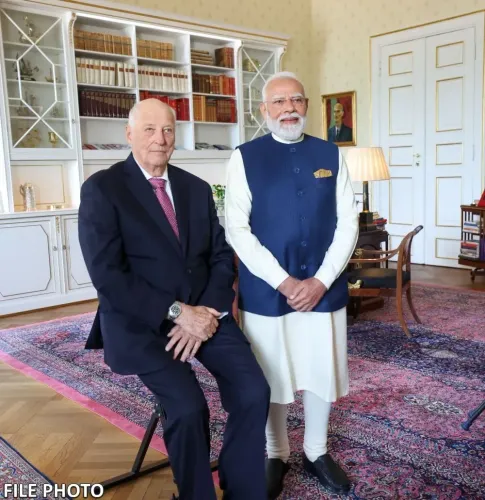
PM Modi presented a Tarakasi silver filigree sailboat from Cuttack, Odisha to Norway's King Harald V during a recent five-day foreign tour .
Tarakasi is a 500-year-old silver filigree craft tradition unique to Cuttack , known as India's 'Silver City' .
Artisan bodies, including the Utkal Swarna Rupa Sangha , praised the gesture and called for sustained support amid rising global silver prices.
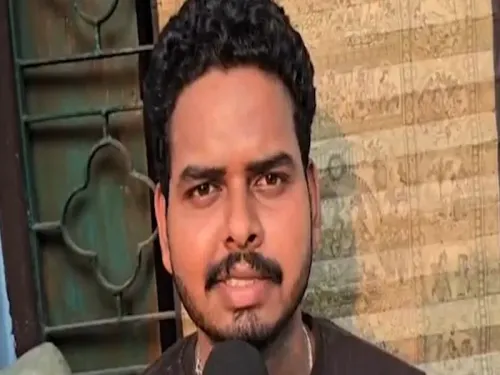
Girish Chandra Prusti (Utkal Swarna Rupa Sangha Secretary) and artisan Bijay Kumar De expressed pride and hope for fresh business momentum.
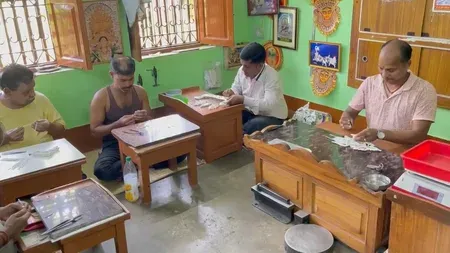
The craft involves twisting hair-thin silver wires into intricate lace-like patterns — a skill requiring extraordinary precision passed down over generations.
Prime Minister Narendra Modi, during his recent five-day foreign tour, presented a handcrafted silver filigree sailboat — fashioned in Cuttack's celebrated Tarakasi tradition — to Norway's King Harald V, placing one of Odisha's most storied craft forms on a global diplomatic stage. The gesture has drawn an outpouring of pride and enthusiasm from artisans across Cuttack, the city long known as India's 'Silver City'.
The Gift and Its Significance
The silver sailboat is a product of Tarakasi, an intricate art form that has flourished in Cuttack, Odisha, for more than 500 years. The craft involves meticulously twisting and soldering hair-thin silver wires into delicate, lace-like patterns — a process demanding extraordinary precision. The sailboat itself is symbolic, evoking Odisha's maritime legacy and the voyages of ancient Indian traders across the Indian Ocean.
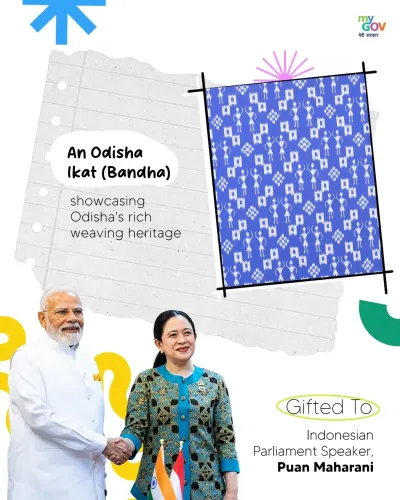
Notably, Prime Minister Modi also showcased Pattachitra, another of Odisha's signature art traditions, during the same tour — underlining a deliberate effort to use diplomatic gifting as a vehicle for cultural promotion.
Artisans Respond with Pride
Girish Chandra Prusti, Secretary of the Utkal Swarna Rupa Sangha, welcomed the initiative and expressed hope that it would provide fresh momentum to an industry that has recently been under pressure from rising global silver prices. 'With Prime Minister promoting this good at international scale, this will give fresh impetus to the business, boost workers' morale and also give new momentum to the sector as a whole,' he said.
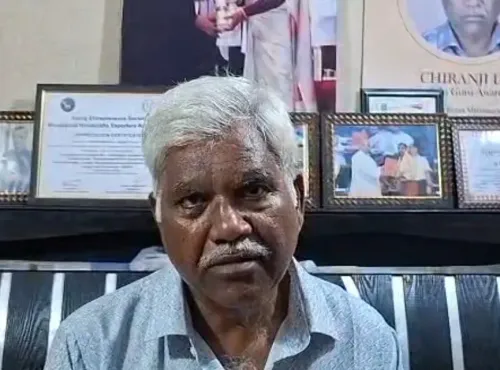
Bijay Kumar De, a practising Tarakasi artisan, echoed the sentiment. 'We feel proud and happy that the Prime Minister has not only acknowledged our work but also tried to promote it in foreign countries,' he said.
A Craft Under Economic Pressure
Despite its centuries-old heritage and global aesthetic appeal, the Tarakasi industry has faced headwinds in recent years. Rising international silver prices have squeezed margins for artisans who rely on the metal as their primary raw material. Industry representatives argue that sustained government patronage — both domestic and diplomatic — is essential to keep the craft economically viable for the next generation of craftspeople.
This comes amid a broader push by the Centre to integrate India's Geographical Indication (GI)-tagged crafts into public diplomacy, using state visits and bilateral meetings to spotlight regional artisanal traditions that might otherwise struggle for visibility in global markets.
What Comes Next
Artisan bodies in Cuttack are hopeful that the international exposure will translate into tangible demand — through export orders, tourism interest, and government procurement. Whether the diplomatic spotlight converts into sustained commercial uplift for the thousands of craftspeople dependent on Tarakasi will be the real measure of this moment's impact.
Point of View
High-visibility lever — but its real test is whether artisan communities see downstream economic benefit. The Tarakasi sector's core problem is structural: rising silver input costs and limited export infrastructure. A royal photo opportunity generates pride, but without follow-through — GI-tag enforcement, export facilitation, or raw-material subsidies — it risks becoming another feel-good moment that does not move livelihoods. The Centre's pattern of spotlighting GI crafts in bilateral settings is consistent, yet a coherent artisan-economy framework linking diplomatic exposure to market access remains largely absent.
NationPress
26 Sept 2026
Frequently Asked Questions
What did PM Modi gift to Norway's King Harald V?
Prime Minister Modi gifted a handcrafted silver filigree sailboat made using the Tarakasi art form from Cuttack, Odisha, to Norway's King Harald V during a recent five-day foreign tour. The sailboat symbolises Odisha's maritime heritage and is crafted by twisting hair-thin silver wires into intricate lace-like patterns.
What is Tarakasi, the art form from Cuttack?
Tarakasi is a centuries-old silver filigree craft practised in Cuttack, Odisha — often called India's 'Silver City' — for more than 500 years. It involves meticulously twisting and soldering extremely thin silver wires into delicate, ornate patterns, requiring exceptional skill and precision.
How have Odisha artisans reacted to PM Modi's gesture?
Artisans and industry bodies in Cuttack have responded with enthusiasm and pride. Utkal Swarna Rupa Sangha Secretary Girish Chandra Prusti said the promotion would boost morale and give fresh impetus to the industry, while artisan Bijay Kumar De said craftspeople feel proud that their work is being acknowledged internationally.
What challenges does the Tarakasi industry currently face?
The Tarakasi sector has been under pressure due to rising global silver prices, which have squeezed margins for artisans who depend on silver as their primary raw material. Industry representatives have called for sustained government support to keep the craft economically viable.
Why does PM Modi use handicrafts as diplomatic gifts?
The Centre has increasingly used GI-tagged regional crafts as diplomatic gifts to spotlight India's artisanal heritage on the global stage. The approach aims to generate international visibility for traditional crafts that struggle to access global markets independently, though critics note that sustained commercial follow-through remains limited.